Implications for all EU states
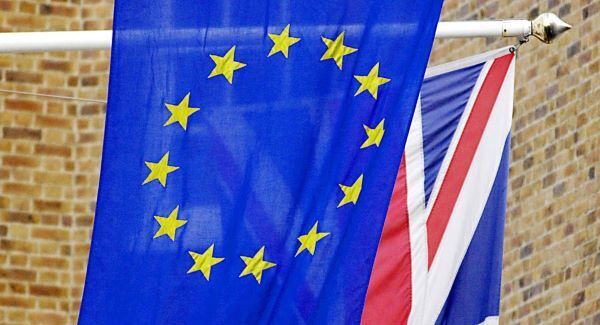
David Cameron has signalled he will hold a referendum before the end of 2017, but given his slim majority, and with increasing pressure from fellow EU leaders to make up his mind, he could hold it much sooner.
Former senior Irish diplomat Dáithí O’Ceallaigh, who with Paul Gillespie has edited a book, Britain and Europe: The Endgame, said ‘Brexit’ would have an enormous effect on Ireland. An estimated 40% of jobs are linked to the UK, while border posts could be erected along the border with the North.
There could be serious implications for the United Kingdom as a whole, with the SNP in Scotland and Sinn Féin in the North both wanting to remain in the EU.
Mr Cameron has promised to campaign for a ‘yes’ vote if he gets the reforms to the structure and the way the EU is run that he wants, but it is not yet clear exactly what these reforms are.
London-based eurosceptic think-tank, Open Europe, has probably given the clearest indiction of the direction in which Mr Cameron would like the EU to go, and said the decision of the electorate will depend on a number of tough decisions in the UK and Europe. “This includes whether the EU itself will embrace reform, and British politicians and voters are willing to accept ambitious deregulation and new levels of competition through expansion of free trade.”
They also point out that Mr Cameron is likely to be swayed by the European Court of Justice decision on benefits for workers from other EU countries, while in the mix is his threat to secede succeed from the non-EU European Court of Human Rights, as he sees some of its decisions as interfering with British sovereignty.
However, many EU countries are not enthusiastic about further deregulation and competition that impinges on workers’ rightsor national champions and cherish what they see as European values of fundamental rights.
This will be a particularly sensitive issue, with French presidential elections in early 2017 followed by German federal elections in the autumn.
CONNECT WITH US TODAY



Be the first to know the latest news and updates