Untreated sleep apnoea linked to earlier mental decline
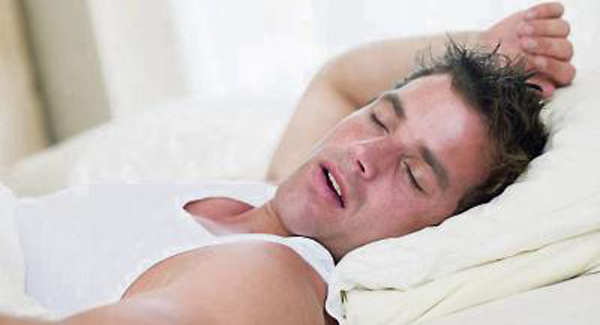
Among older people who developed mild cognitive impairment or Alzheimer’s disease, those with untreated obstructed sleep breathing began to experience mental loss at an average age of 77, compared to age 90 for those without breathing problems, the study team found.
“We didn’t find that snoring causes dementia,” said lead author Dr Ricardo S Osorio of The Centre for Brain Health at NYU School of Medicine in New York.
“We found that in those people that reported that they had sleep apnoea, and were not treating it, the age of decline was earlier.”
Sleep-disordered breathing is very common among the elderly, affecting nearly 53% of men and more than 26% of women, Osorio and his coauthors write in the journal Neurology.
Researchers reviewed the medical histories of almost 2,500 people ages 55 to 90 who were enrolled in a previous Alzheimer’s disease study and reevaluated every six months.
Participants self-reported a diagnosis of sleep apnoea or obstructive sleep apnoea, and whether they used a continuous positive airway pressure (CPAP) machine at night.
People who would go on to have mild cognitive impairment or Alzheimer’s disease tended to first show signs of memory decline years earlier if they had sleep-disordered breathing that was untreated. Those without sleep-disordered breathing and those with the disorder who used a CPAP machine all began to experience mental decline at the same age.
“Sleep apnoea as we understand it, most people think that it only affects males that are obese and snore in middle age, but it is much more common in late life,” Osorio told Reuters Health by phone.
Late-life sleep apnoea is under-recognised and under-diagnosed, Osorio said, and these results may help raise awareness, but should not be alarming to most people.
The study did not establish cause and effect, and Alzheimer’s disease itself can cause sleep problems, he said. But if sleep issues do lead to cognitive decline, it could be due to oxygen deprivation or to sleep fragmentation, he said.
“Apnoeas produce arousals and wake you up, so you don’t get nice restorative sleep,” Osorio said.
DISCOVER MORE CONTENT LIKE THIS

CONNECT WITH US TODAY



Be the first to know the latest news and updates