Testing times ahead for new Greek government
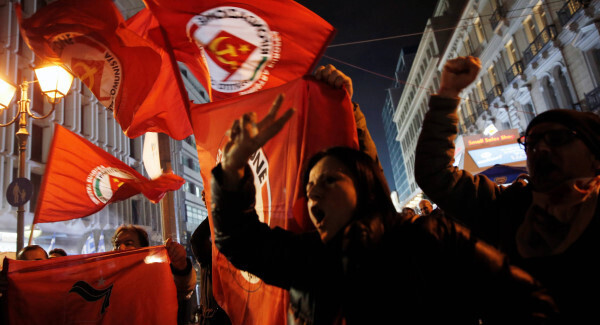
The anti-bailout rhetoric has renewed fears of Greece’s ability definitively to emerge from its financial crisis that saw a quarter of its economy wiped out, sent unemployment soaring and hammered the euro, the currency shared by 19 European countries.
The country’s creditors insist Greece must abide by its commitments to continue receiving support, and investors and markets alike have been spooked by the anti-bailout rhetoric.
Greece could still face bankruptcy if a solution is not found, although talk of ‘Grexit’ — Greece having to leave the joint currency —and a subsequent potential collapse of the euro itself has been far less fraught than during the last general election in 2012.
Antonis Samaras’ campaign focused on the gradually improving economy, which grew for the first time in six years in the third quarter of 2014, and he had promised to reduce some taxes if re-elected.
He has warned of the potentially dire consequences of reneging on bailout conditions — to the point that his critics accused him of running a fear campaign.
But Syriza’s promises of ending the crushing austerity Greeks have been living under since 2010 wooed many voters infuriated by the deterioration in their standard of living and ever increasing tax bills.
A triumphant Alexis Tsipras last night told Greeks his radical left Syriza party’s election win means an end to austerity and humiliation and that the country’s regular and often fraught debt inspections were a thing of the past.
AlexisTsiprasLeaderSyrizaGreeceJan2015AP_large.jpg[#embed1]
Official results with 60% of polling stations counted in the general election showed Syriza with 36%, far ahead of Prime Minister Antonis Samaras’s conservatives, who had 28%.
But it was still unclear whether Syriza would have the minimum 151 of parliament’s 300 seats needed to form a government without support from other parties.
Mr Tsipras campaigned on promises of renegotiating the terms for Greece’s €240bn bailout, which has kept the debt-ridden country afloat since mid-2010.
To qualify for the cash, Greece had to impose deep and bitterly-resented public spending, salary and pension cuts and repeated tax hikes. Syriza officials have said they will seek a six-month “truce” putting the bailout programme due to end on February 28 on hold while talks with creditors begin.
Greece, unable to tap the markets because of sky-high borrowing costs, has enough cash to meet its immediate funding needs.