Nurse in ebola ‘quarantine’ has movement restricted
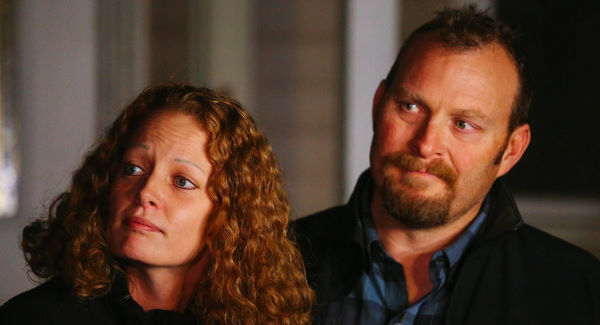
The standoff has become America’s most closely watched clash between personal freedom and fear of ebola. A judge granted the order limiting Hickox’s travel, requiring a 90cm buffer if she encounters people, and banning her from public places until there is a further decision.
The state went to court, following through with a threat to try to impose restrictions on her until the 21-day incubation period for ebola ends on November 10. Police were under orders to monitor nurse’s movements. She twice left home, once to talk to reporters on Wednesday and again for a bike ride with her boyfriend on Thursday.
A police cruiser stayed outside her home yesterday. Fort Kent Police Chief Tom Pelletier went inside the home briefly and said afterward: “We just had a good conversation.” Pelletier said he was not there to arrest or detain her.
In a court filing, the director of the Maine Centre for Disease Control and Prevention backed away from the state’s original request for an in-home quarantine and called for restrictions that fall in line with federal guidelines.
Hickox remains at risk of being infected with ebola until the end of a 21-day incubation period, said Sheila Pinette.
“The respondent should be subjected to an appropriate public health order for mandatory direct active monitoring and restrictions on movement as soon as possible and until the end of the incubation period to protect the public health and safety,” said Pinette.
Hickox, 33, who treated ebola patients in Sierra Leone, says confinement violates her rights. She says she has no symptoms and poses no risk.
Hickox stepped into the media glare when she returned from treating ebola patients in Sierra Leone to become subject to a mandatory quarantine in New Jersey. After being released from a hospital there, she returned to this town, where she was placed under what Maine authorities called a voluntary quarantine.
She said that she is following the federal Centres for Disease Control and Prevention recommendation of daily monitoring for fever and other signs of the disease.
“I’m not willing to stand here and let my civil rights be violated when it’s not science-based,” she said.
Some states, such as Maine, are going above and beyond guidelines to require quarantines that the Centre for Disease Control and Prevention.
US president Barack Obama, the nation’s top infectious-disease expert, and humanitarian groups have all warned that overly restrictive measures could cripple the fight against the disease at its source by discouraging volunteers such as Hickox.