‘Passive Prozac’ may affect birds’ mating and eating
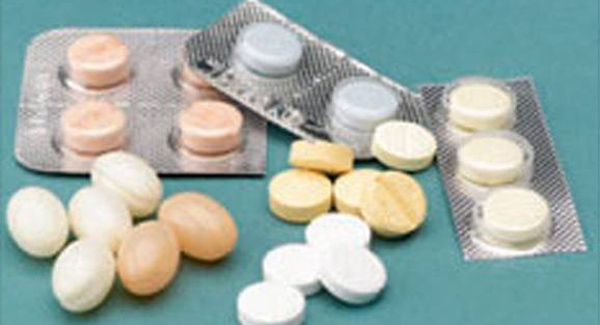
With 50m prescriptions written for anti-depressant drugs each year in the UK, traces of them are present in the water system.
An expert who has looked at the effects of passive Prozac-taking on starlings says it has changed not only their feeding habits but also their interest in mating.
Dr Kathryn Arnold, an ecologist from the University of York, said: “Females who’d been on it were not interested in the male birds we introduced them to.”
Arnold’s research, which is investigated on BBC2’s Autumnwatch, took her to sewage works where birds flock to feed.
“They’re a really great place to watch birds because they’re attracted by all the worms and invertebrates that live there,” she told the Radio Times. “I started thinking: ‘What about what’s in the sewage?’ If you or I take a headache pill for instance, a high proportion of it ends up being excreted completely unchanged.”
She measured the level of Prozac present in earthworms living in sewage. It was tiny — 3%-5% of the average human dosage. She then fed worms containing the same concentration of the drug to 24 captive starlings and monitored their behaviour over six months.
The birds began to display side effects similar to those reported by humans prescribed Prozac.
“The major finding was a loss of appetite,” said Arnold. “The problem then is that they’re less likely to survive long, dark winter’s nights.”
However, it was not just food that lost its appeal — the birds’ libido also fell.
However, in one significant area, the starlings’ reaction to the drug did not mimic its effect on the human brain — their mood remained unchanged.
Arnold said: “We can’t ask a bird if it’s anxious; we have to measure it in a behavioural way. We present them with an unfamiliar object and see how they react. If a bird is bold, it’ll carry on feeding, even though there’s something strange in its food bowl. But we found no effect on boldness.
“Maybe we were measuring it the wrong way and that wasn’t a particularly stressful task. If we repeated it, we’d use a different method. Or it could be that there are enough variations between bird and human brains that Prozac works in a slightly different way.”
Autumnwatch presenter Chris Packham said there may be no simple answer. He said: “This change in behaviour could impact negatively on their ecology. We know, for instance, we’ve lost 50m starlings in the UK since the 1960s.
Arnold said: “I’m not saying that if you’re depressed, don’t take Prozac. [And] sewage treatment works are really good sources of food for birds.” But, she added: “Science needs to deliver better estimates of the environmental risks posed by pharmaceuticals.”