No sign of slowdown as ebola kills 2,600
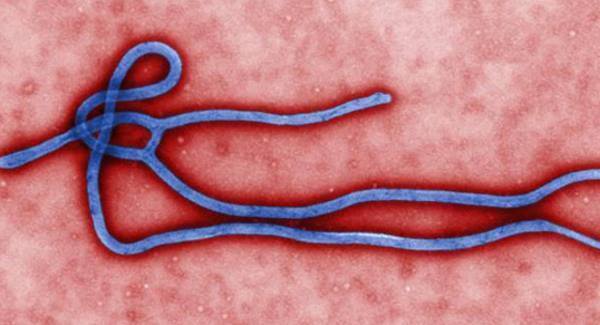
In an update on the epidemic, which is raging through Guinea, Sierra Leone and Liberia and has spread into Nigeria and Senegal, the WHO said there were no signs yet of it slowing.
“The upward epidemic trend continues in the three countries that have widespread and intense transmission — Guinea, Liberia and Sierra Leone,” the United Nations health agency said.
Those three countries account for the vast majority of cases and deaths in the outbreak — eight others have died in Nigeria, out of 21 cases, and one case has been confirmed in Senegal.
The WHO said a surge in ebola in Liberia is being driven primarily by a continued increase in the number of cases reported in the capital, Monrovia, where 1,210 bed spaces were needed, five times the current capacity.
The WHO has said it hopes to be able to “bend the curve” in the almost exponential increase in cases within three months.
The latest data updated five days of data for Liberia and one day for the other countries, and showed no new deaths in Sierra Leone since the previous update.
The WHO said efforts to integrate various sources of data in Liberia would lead to many cases being reclassified and about 100 previously unreported cases had been found and would be included in later updates.
In a separate ebola outbreak in the Democratic Republic of Congo, 40 deaths had been reported out of 71 cases by September 15, the WHO said.
Meanwhile, shoppers crowded the streets and markets of Sierra Leone’s capital, stocking up for a three-day shutdown when volunteers will identify people infected with ebola and hand out 1.5m bars of soap, as authorities struggle to slow an accelerating outbreak.
While the disease is estimated to have killed more than 2,630 people and most of these deaths have been in Liberia — the WHO has said the official toll is probably a gross underestimate and that most patients are at home — and infecting others in the community — not in treatment centres.
In an attempt to slow the outbreak and identify the sick in hiding, Sierra Leone’s six million people must stay home starting from midnight, except for thousands of volunteers who will go house-to-house delivering bars of soap and information about how to prevent ebola.
Authorities have said they also expect to discover hundreds of new cases during the next three days. Many people during this outbreak have not sought treatment for ebola out of fear that hospitals are merely places people go to die.
Still others have been turned away by centres overwhelmed by the increasing number of patients.