Trial to examine if Mediterranean diet can boost fertility for IVF couples
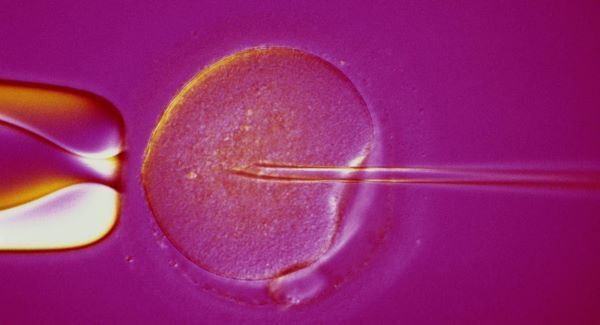
Fertility experts in Southampton are examining the use of omega-3 fish oil and vitamin D in diets taken six weeks prior to treatment — known as the pre-conception period. They want to see how these affect the quality of sperm and egg cells, the resulting embryo, and the environment of the uterus into which it must implant to achieve a pregnancy.
A total of 110 couples planning to undergo IVF will take part in the preconception dietary supplements in assisted reproduction trial.
The team will use a cutting-edge incubator, known as an Embryoscope, to view fertilised eggs round-the-clock and look for any key changes during transition to embryos.
The device is fitted with time-lapse video monitoring technology to enable the researchers to closely analyse the quality of the embryo and assess its chances of developing into a pregnancy.
Nick Macklon, medical director of Complete Fertility Centre Southampton and a consultant in obstetrics and gynaecology at the Princess Anne Hospital, said: “Some recent studies suggest a Mediterranean diet rich in vitamin D and omega-3 might improve the outcome from IVF, but the idea is yet to be tested in a proper randomised trial.
“Despite various attempts to make breakthroughs, good evidence of the effects of diet on fertility is lacking, largely due to the rigorous nature and long durations of diet plans which fail to reach completion.”
Prof Macklon said a recent Southampton study in rodents found dietary manipulations within a very short period around the time of implantation had profound effects on early development.
He said: “The results of a similar study in rodents has given us an indication of possible outcomes and we are confident the short duration and simplicity of [the trial] will improve willingness to participate and compliance with the diet.
“As a result, the study should provide us with complete and substantial data on this subject area for the first time.”
He added: “Should a significant positive impact on early development be demonstrated, it would have major implications for health policy and strengthen arguments for the provision of pre-conceptional nutritional advice to the general population.”

CONNECT WITH US TODAY



Be the first to know the latest news and updates