Vaccine against Glandular Fever ‘could prevent cancer’
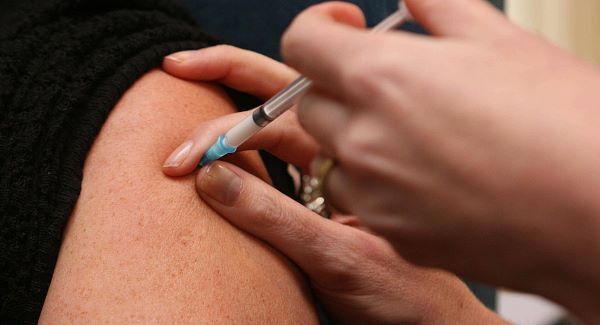
More work is needed to develop a vaccine against Epstein-Barr Virus, which is linked to a number of cancers including lymphoma, Cancer Research UK said.
Research funded by the organisation led to the identification of the virus and its association with cancer 50 years ago.
Speaking on the anniversary of the discovery, Cancer Research UK scientist Alan Rickinson, from the University of Birmingham, said: “We now know so much about how the virus contributes to the development of... particular types of cancer. The next big challenge is to develop a vaccine that will prevent infection by the virus.
“We believe that a successful EBV vaccine could prevent up to 200,000 new cases of cancers per year.”
Around 95% of the global adult population is infected with EBV. Many people pick up the virus in childhood and carry it for life with no ill effects. Others infected as teenagers may develop glandular fever but make a full recovery — but in some individuals the virus can trigger cancer.
The most common cancer associated with EBV is the blood disease Hodgkin lymphoma, as well as a different form of lymphoma common in transplant patients.
Around one in 10 gastric, or stomach, tumours contain high levels of EBV.
Graham Taylor, also a Cancer Research UK-funded scientist based at the University of Birmingham, said: “We know that it’s possible to make a vaccine to prevent certain types of virus-associated cancer developing.
A conference is taking place in Oxford this week to mark the find’s anniversary.

CONNECT WITH US TODAY



Be the first to know the latest news and updates