EU split on how far to push Russia
EU leaders pressed Russia to start discussions with Ukraine within the next few days about withdrawing from Crimea or face asset freezes and visa bans.

EU split on how far to push Russia

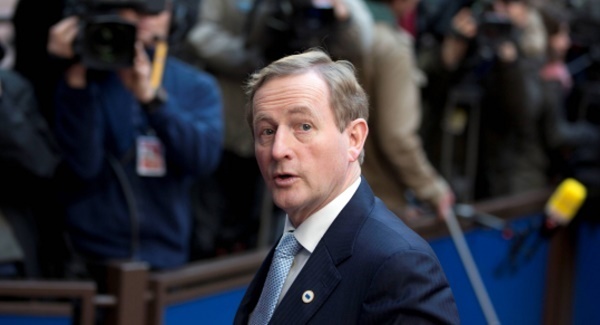
However, the timeframe was not very clear with Taoiseach Enda Kenny saying that the negotiations should “deliver results in a very limited timeframe”.

Asked about the prospects of getting Russia out of Crimea, he said the situation was very complex, given the constitution of Crimea; the decision of the Crimean parliament to declare an independent state; and the referendum on whether Crimea should join Russia.

Europe remained split over how far to push Russia at the emergency EU leaders’ summit in Brussels.

They agreed a three-phase plan that sees the EU suspending visa negotiations and the new agreement with Russia immediately.

The European Commission will begin work preparing to freeze the assets and instituting a travel ban on Russian figures. They will be enforced if Russia takes further aggressive steps — probably including the holding of the referendum in Crimea on joining Russia later this month and failure to begin talks with Ukraine.

Mr Kenny said the EU leaders issued a strong message to Russia and President Vladimir Putin that his actions in Crimea would not be tolerated and warned that “nobody wants this to deteriorate into a catastrophic situation”.

The countries formerly part of the USSR pushed the hardest for measures against Moscow with Lithuanian president Dalia Grybauskaite accusing a “dangerous Russia” of trying to redraw Europe’s borders and asking what country they would move into next.

But countries with strong financial links with Russia, including Germany and Britain, were less hawkish with German chancellor Angela Merkel saying that the decision on imposing sanction would depend on how diplomatic efforts progress.

Ukrainian prime minister Arseniy Yatsenyuk, who attended the EU leaders’ meeting, said they were determined to fix the crisis with peaceful means — but warned that if they had to fight, they would, despite the huge military advantage Russia has including nuclear weapons.

“[Ukraine has no nuclear arsenal] but we have the spirit, this is the spirit of Ukraine’s revolution and of freedom and liberty,” he said.

Putting pressure on Britain and the US, in particular, after guaranteeing Ukraine’s borders in exchange for giving up their nuclear weapons in 1994, Mr Yatsenyuk warned that if they failed in their obligation, it would be detrimental to efforts on nuclear non-proliferation especially in relation to Iran or North Korea.

He said constructing a new Berlin wall was not enhancing global security. Addressing Russian president Vladimir Putin directly he said: “Tear down this wall, a wall of intimidation, a wall of military aggression and let’s build a new type of relationship between Ukraine and Russia — we are ready for cooperation, but not ready to be subordinated to Russia.”

So far the EU has stepped into the mode of paymaster, pledging €11bn to Ukraine — much of which will have to be used to pay its Russian gas bills. The EU has also agreed to open its borders for Ukraine goods.

The US has pledged $1bn (€721.5m) and a statement from the White House yesterday announced visa restrictions on a number of officials and individuals “responsible for or complicit in threatening the sovereignty and territorial integrity of Ukraine”.

In addition, President Obama signed an executive order that will allow sanctions against those “who are most directly involved in destabilising Ukraine, including the military intervention in Crimea, and does not preclude further steps should the situation deteriorate”.

More in this section

Cookie Policy Privacy Policy Brand Safety FAQ Help Contact Us Terms and Conditions

© Examiner Echo Group Limited