16 die as suicide bomb hits rail station
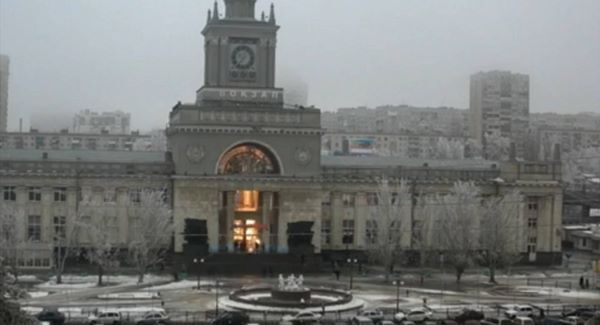
A suicide bomber struck a busy railway station in southern Russia yesterday, killing herself and at least 15 others and wounding scores more, officials said, in a stark reminder of the threat Russia is facing as it prepares to host February’s Olympics in Sochi.

16 die as suicide bomb hits rail station

No one immediately claimed responsibility for the bombing in Volgograd, but it came several months after Chechen rebel leader Doku Umarov called for new attacks against civilian targets in Russia, including the Sochi Games.

Suicide bombings have rocked Russia for years, but many have been contained to the Caucasus, the centre of an insurgency seeking an Islamist state in the region. Until recently Volgograd was not a typical target, but the city formerly known as Stalingrad has been struck twice in two months — suggesting militants may be using the transportation hub as a renewed way of showing their reach outside their restive region.

Volgograd, which borders the Caucasus, is 900km south of Moscow and about 650kmnortheast of Sochi, a Black Sea resort flanked by the North Caucasus Mountains.

The bombing highlights the daunting security challenge Russia will face in fulfilling its pledge to make the Sochi Games the “safest Olympics in history”.

The government has deployed tens of thousands of soldiers, police and other security personnel to protect the games.

Through the day, officials issued conflicting statements on casualties. Officials said that the suspected bomber was a woman, but late yesterday the Interfax news agency quoted an unidentified law enforcement officer as saying footage taken by surveillance cameras indicated that the bomber was a man.

There was no immediate confirmation of that claim from any official sources.

The bomber detonated her explosives in front of a metal detector just beyond the station’s main entrance when a police sergeant became suspicious and rushed forward to check her ID, officials said. The officer was killed by the blast, and several other policemen were wounded.

“When the suicide bomber saw a policeman near a metal detector, she became nervous and set off her explosive device,” Vladimir Markin, the spokesman for the nation’s top investigative agency, said in a statement. He added that the bomb contained about 10 kilograms (22 pounds) of TNT and was rigged with shrapnel.

Markin said security controls prevented a far greater number of casualties at the station, which was packed with people at a time when several trains were delayed.

Markin said 13 people and the bomber were killed on the spot, and the regional government said two other people later died at a hospital. About 40 were hospitalized, many in grave condition.

The Interfax news agency reported that the suspected bomber’s head was found at the site of explosion, which would allow security agencies to quickly identify her.

Lifenews.ru, a Russian news portal that reportedly has close links to security agencies, said the attacker appeared to have been a woman whose two successive rebel husbands had been killed by Russian security forces in the Caucasus.

Female suicide bombers, many of whom were widows or sisters of rebels, have mounted numerous attacks in Russia. They often have been referred to as “black widows”.

In October, a female suicide bomber blew herself up on a city bus in Volgograd, killing six people and injuring about 30.

Officials said that attacker came from the province of Dagestan, which has become the centre of the Islamist insurgency that has spread across the region after two separatist wars in Chechnya.

As in Sunday’s blast, her bomb was rigged with shrapnel that caused severe injuries.

Chechnya has become more stable under the grip of its Moscow-backed strongman, who incorporated many of the former rebels into his feared security force. But in Dagestan, the province between Chechnya and the Caspian Sea, Islamic insurgents who declared an intention to carve out an Islamic state in the region mount near daily attacks on police and other officials.

Rights groups say that authorities’ tough response involving arbitrary arrests, torture and killings of terror suspects has fuelled the rebellion.

The Kremlin replaced Dagestan’s provincial chief earlier this year, and the new leader abandoned his predecessor’s attempts at reconciliation and his efforts to persuade some of the rebels to surrender in exchange for amnesty.

More in this section

Cookie Policy Privacy Policy Brand Safety FAQ Help Contact Us Terms and Conditions

© Examiner Echo Group Limited