Japanese PM bids to expand role of military
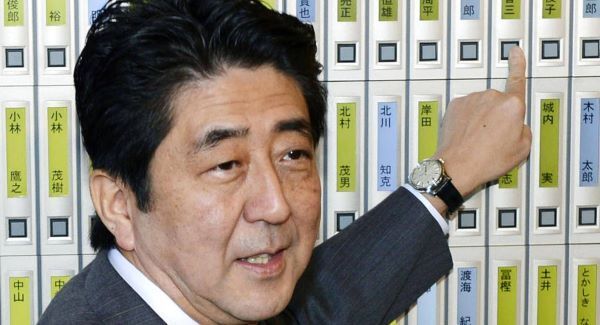
Abe wants to lift Japan’s self-imposed ban on exercising the right of collective self-defence, or coming to the aid of an ally under attack.
Article 9 of the US-drafted, post-war constitution, if taken literally, bans Japan from maintaining a military, but it has already been stretched to allow armed forces as big as France’s.
The prospect of a more assertive Japanese armed forces raises concern in many parts of the region that suffered under Japanese occupation during World War Two.
The Cabinet Legislation Bureau has for decades maintained that, while Japan has the right of collective self-defence it cannot exercise it.
Experts say that has been a major obstacle to lifting the ban on an expanded role for the armed forces.
Ichiro Komatsu, the head of the bureau which is known as the “guardian of law” for interpreting the constitution and reviewing bills, said it was up to Abe to make a decision.
“We give our opinions to the cabinet, prime minister and other ministers on legislation matters. But it is the cabinet that ultimately makes decisions . . . and the head of the cabinet is prime minister,” Komatsu, director-general of the bureau, told Reuters.
Abe put Komatsu, a career diplomat and specialist in international law, in charge of the bureau this month. Analysts cast the appointment as paving the way for the change.
Komatsu’s predecessors have for decades opposed any change to the official view that Japan’s military cannot exercise the right of collective self-defence since such an act would exceed the minimum use of force allowed under the constitution for self-defence.
Komatsu did not outline his opinion on the matter or elaborate on the bureau’s stance, but he stressed the importance of consistency in formulating a position.
Some academics and opposition lawmakers are criticising Abe’s move, which would enable the government to change Japan’s security stance without revising the constitution.
Revising the constitution is difficult because amendments must be approved by two-thirds of each house of parliament and a majority of voters in a referendum.
The hawkish Abe has often expressed concern that Japan’s security ties with the US could not be maintained if Japan could not offer help to US forces operating nearby when they come under attack. Critics worry that helping an ally under attack would increase the possibility of Japan being dragged into war.

CONNECT WITH US TODAY



Be the first to know the latest news and updates