US defends ‘Orwellian’ spying on phone data
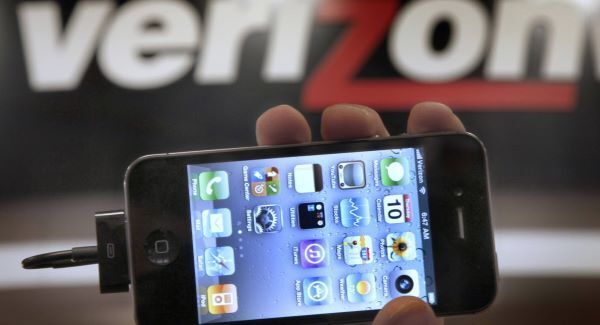
One civil liberties group branded the practice, authorised by a top secret court order, as “beyond Orwellian” while others argued the idea of a massive dragnet encompassing tens of millions of phone records was unconstitutional.
The programme, which began under the Bush administration, apparently does not monitor the content of phone calls or who is making them, but provides “metadata” on phone numbers used and call duration.
Advocates say the data, collected on calls inside and outside the US, can then be crunched to show odd patterns of communication which can tip off spy agencies to possible planning for terror attacks.
Senior US officials, while not confirming reports in The Guardian that service provider Verizon had been ordered to turn over reams of data, defended the National Security Agency, the secret listening service.
“Information of the sort described in The Guardian article has been a critical tool in protecting the nation from terrorist threats to the United States,” said a senior US official.
“It allows counter-terrorism personnel to discover whether known or suspected terrorists have been in contact with other persons who may be engaged in terrorist activities, particularly people located inside the United States.”
The official said that all three branches of the US government, the White House, Congress, and the judicial system, were involved in reviewing and authorising intelligence collection under current laws.
Officials also stressed that information acquired in the surveillance does not allow the government to “listen in” on anyone’s calls or provide information on the content of conversations or a caller’s name.
The revelations meant new controversy for the Obama White House as it battles claims of harsh treatment towards leakers, that it accessed phone records of the Associated Press and targeted a Fox News reporter in an intelligence probe.
A programme hoarding phone records was first reported during the Bush administration.
But the latest revelations are the first sign that the technique is continuing under Barack Obama.
A top secret order by the Foreign Intelligence Surveillance Court issued on Apr 25 and obtained by The Guardian gives the US government unlimited power to collect data from a three-month period ending on Jul 19.
Civil liberties groups immediately cried foul.
“It’s a programme in which some untold number of innocent people have been put under the constant surveillance of government agents,” said Jameel Jaffer, deputy legal director of the American Civil Liberties Union.
“It is beyond Orwellian.”
Former vice president Al Gore, on his Twitter feed, agreed: “In (this) digital era, privacy must be a priority. Is it just me, or is secret blanket surveillance obscenely outrageous?”
CONNECT WITH US TODAY



Be the first to know the latest news and updates