UN: Insects could battle world hunger and obesity
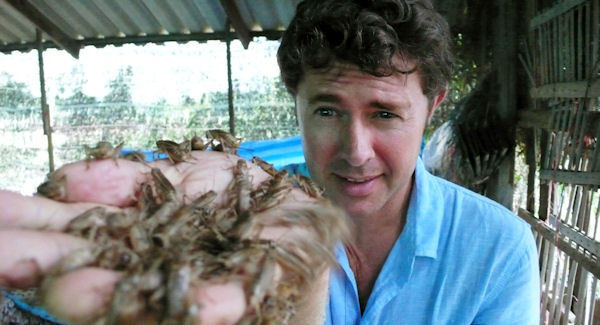
The Food and Agriculture Organisation hailed the likes of grasshoppers, ants, and other members of the insect world as an under-utilised food for people, livestock, and pets.
A 200-page report says 2bn people worldwide already supplement their diets with insects, which are high in protein and minerals, and have environmental benefits.
Insects are “extremely efficient” in converting feed into edible meat, the agency said. On average, they can convert 2kg of feed into 1kg of insect mass. In comparison, cattle require 8kg of feed to produce a kilo of meat.
The authors said many insects contained the same amount of protein and minerals as meat and more healthy fats doctors recommend in balanced diets, which would help to combat obesity.
Most insects are likely to produce fewer greenhouse gases, and also feed on human and food waste, compost and animal slurry, with the products being used for agricultural feed, the agency said.
Currently, most edible insects are gathered in forests and what insect farming does take place is often family-run and serves niche markets. The UN says that mechanisation can ratchet up production. The fish bait industry, for example, has long farmed insects.
Insect farming is “one of the many ways to address food and feed security. Insects are everywhere and they reproduce quickly”, the agency said, adding they leave a “low environmental footprint”.
They provide high-quality protein and nutrients when compared with meat and fish and are “particularly important as a food supplement for undernourished children”.
Insects can also be rich in copper, magnesium, manganese, phosphorus, iron, selenium, and zinc, and are a source of fibre.
The agency’s Edible Insect Programme is also examining the potential of arachnids, such as spiders and scorpions, although they are not, strictly speaking, insects.
University biologists have analysed the nutritional value of insects, and some of them, such as certain beetles, ants, crickets, and grasshoppers, come close to lean red meat or broiled fish in terms of protein per gramme.
But are they tasty?
The report noted some caterpillars in southern Africa and weaver ant eggs in South-East Asia are considered delicacies.
And some people who might not entertain the thought of consuming insects might already be eating them. Many insects are ingested inadvertently.


CONNECT WITH US TODAY



Be the first to know the latest news and updates