Obama denies appointing too many insiders from Clinton administration
Obama, who has vowed to bring change to America for the past two years, has appointed several well-established Washington figures over the past two weeks as he forms his so-called team of rivals and is widely expected to name more in the near future.
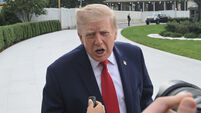
But, as he held his third press conference in three days in Chicago, he denied allegations that so many old names would prevent him bringing about the change he has promised.
“What we are going to do is combine experience with fresh thinking,” he said.
“But understand where the vision for change comes from first and foremost — it comes from me — that’s my job, to provide a vision in terms of where we are going and to make sure then that my team is implemented.”
He said his advisory board was “a cross-section of opinions that in some ways reinforces conventional wisdom, in some ways breaks with orthodoxy in all sorts of ways”.
“That’s the kind of discussion that we’re going to want,” he said. “We want ideas from everybody.
“But what I don’t want to do is to somehow suggest that because you served in the last Democratic administration that you are somehow barred from serving again, because we need people who are going to be able to hit the ground running.”
Yesterday, the president-elect named 81-year-old Paul Volcker, who has already served under five US presidents, as chair of a new economic recovery advisory board which will be tasked with “ensuring the government is held accountable for delivering results”.
Former senate majority leader Tom Daschle is leading Obama’s working group on healthcare, and is expected to be named as health and human resources secretary, and Clinton treasury secretary Larry Summers was named director of the national economic council on Monday.
Former first lady Hillary Clinton, Obama’s former rival, is expected to become secretary of state and current defence secretary Robert Gates is expected to remain in his post.
Obama said the newly formed advisory board would aim to provide “rigorous analysis and vigorous oversight” as his administration formed its economic policy and would be “candid and unsparing” in its assessment.
“The reality is that sometimes policymaking in Washington can become a little bit too ingrown, a little bit too insular,” he said.
“This board will provide that fresh perspective to me and my administration.”

CONNECT WITH US TODAY



Be the first to know the latest news and updates