Half a century on, revolution still divides Hungary
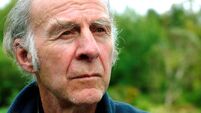
Mr Csics, now 62 and chief librarian in the county of Tatabanya, wrote in his diary that he went to bed to the sound of 200,000 people calling “let’s pull down the Stalin statue”.
The next day he woke “to the crackling and rattling of gunfire” as Hungarians rose against their oppressors.
Fifty years on and in the wake of the worst anti-government protests since the end of communism, Hungarians cannot agree on the legacy of 1956, and so there will be two celebrations.
The official one for heads of state will be in Budapest’s imposing Heroes’ Square, where a huge abstract monument which has offended some survivors will be unveiled.
A second will be held by some freedom fighters and the opposition, near the national radio station, the scene of heavy fighting in 1956.
Grainy black-and-white footage of the revolution shows men, women and children taking on the mighty Red Army, halting and destroying tanks in the streets of Budapest.
“You could feel it in the air that it was something truly mighty. You just could not ignore and not understand what was happening,” Mr Csics said.
“I am proud that 1956 took place and I am proud to have been Hungarian when it happened.”
For Mr Csics and many of his 10 million fellow citizens, the 16 years of democracy and five free elections since the end communism in 1989 have been confusing and disappointing.
Even though Hungary has been reunited with western Europe, joining the EU in 2004, many say there has been no closure and that this is impeded by the governing Socialists, the direct descendents of the communists.
Viktor Orban, the leader of the main opposition Fidesz party, who shot to fame at the reburial of Prime Minister Imre Nagy, executed in 1958 for his role in the uprising, conjured images of the communists creeping back in the 2006 elections.
No one has been put on trial from the brutal state security apparatus, which executed 200 people in the aftermath of the uprising, some of them children held in jail until they were 18 and old enough to be killed legally.
There has been no publication of secret police files from the communist era; a drip of names into the media of those who worked in the secret police includes former Socialist Prime Minister Peter Medgyessy who left power in 2004.