ESB may up rates for carbon credits
If this rise is sanctioned, it will be the fifth increase in electricity charges in as many years and will push the average domestic ESB bill up to €750 a year.
The main reason why the ESB may be forced to up its charges again in January is because, along with more than 70 other major Irish companies, it will have to obey stringent limits on carbon dioxide (CO2) emissions. This is part of Ireland's obligation under the Kyoto Treaty, aimed at cutting greenhouse gas pollution. Under the deal, all Irish companies will be allowed to produce 97% of the carbon dioxide they are currently emitting and buy any extra they need to use.
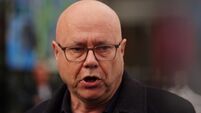
Mr Reeves estimated that the amount of extra carbon dioxide credits the ESB will have to buy in annually will cost around 5 million a year up to 2008 when the regulations will fully come into effect.
"This will mean increased costs for the ordinary consumer and industry of between 3% and 4%," Mr Reeves warned.
New power stations are vital here in the next two years because the country is facing a shortage of electricity for 300,000 houses unless private power stations are built.
Mr Reeves warned that these emissions regulations could lead to a major shortage in electricity supply, because private companies trying to enter the market will not have the advantage of companies currently operating here who are allowed to produce higher levels of CO2.
"It could cost them €7m a year to buy in these credits and I would be concerned that such major costs would put a lot of companies off," Mr Reeves told RTÉ.
He said they will need more private operators to enter the market to keep pace with future electricity demands.
The Environmental Protection Agency (EPA), which has the responsibility of imposing the carbon dioxide emissions controls here, has been criticised by many industries who have claimed it has not responded to their queries and concerns about the new regulations.
The EPA rejected these claims.
EPA Emissions Trading Programme manager Dr Ken Macken, said they held extensive consultations with all the major industries over the past year.
Asked if the EPA had given into lobbying by some major companies for concessions, Dr Macken said: "A set reduction has to be made and it is like sharing out a cake if everyone wants a bigger slice then it is not possible to do that we have the unenviable task of trying to divide it in the fairest way possible."
The Commission for Energy Regulation will meet with the EPA next week.
CONNECT WITH US TODAY



Be the first to know the latest news and updates