Bush once again leads a nation in grieving
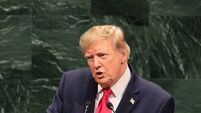
Mr Bush is becoming familiar with the role, having led the nation in grieving in the aftermath of the September 11 attacks that changed his presidency.
This time, instead of standing on a crumpled fire truck in the debris of the World Trade Center and defiantly vowing to hunt down those responsible, Mr Bush took to the White House Cabinet Room to offer consoling words in the face of what appeared to be a terrible accident.
“These astronauts knew the dangers, and they faced them willingly, knowing they had a high and noble purpose in life,” Mr Bush said. “Because of their courage and daring and idealism, we will miss them all the more.”
Presidents throughout American history have offered soothing words to comfort Americans, and their ability to do so ably is a mark of distinction.
Abraham Lincoln was constantly proffering healing words during the Civil War, as did Franklin Roosevelt during World War II. Ronald Reagan’s speech after the 1986 shuttle Challenger explosion was a hallmark of his presidency, when he said those astronauts had “slipped the surly bonds of earth to touch the face of God”.
Bill Clinton drew high marks for honouring the spirit of the people of Oklahoma City in the wake of the deaths of 168 people killed in the Alfred P Murrah Federal Building destruction in 1995.
“Whether it’s a federal building blown up, or we’re in the middle of a civil war, or astronauts are killed in the sky, the only person who is qualified to deliver the proper eulogy is the president of the United States,” said presidential historian Douglas Brinkley.
A tough-talking Texan, Mr Bush is not shy about shedding tears.
He wept publicly on occasion in the weeks following the September 11 attacks.
CONNECT WITH US TODAY



Be the first to know the latest news and updates