Parliament bids to end Ukrainian deadlock

THE struggle for power in Ukraine shifted to the corridors of parliament as lawmakers tried to break a deadlock between the ruling regime and the opposition over legislative changes ahead of a new presidential runoff vote.

Parliament bids to end Ukrainian deadlock

The outcome of the battle between the bitter rivals, sparked by a contested November 21 poll that has since been annulled, will determine who controls the levers of power.

Yesterday, deputies at the Upper Rada picked up where European and Russian mediators failed the night before after six hours of talks and tried to hammer out a compromise to pave the way for a new election on December 26.

"I wish them success in resolving those problems that we failed to work out at the roundtable," outgoing president Leonid Kuchma grimly told reporters after talks broke up in the early hours of yesterday.

The power struggle here pits Mr Kuchma, a former Soviet missile factory boss who wants Ukraine to remain in Moscow's orbit, against pro-West opposition leader Viktor Yushchenko, who is battling to replace Mr Kuchma and scrap his authoritarian style of rule which has been mired in corruption claims.

The political crisis sparked by the November 21 vote has placed the two men in a tricky position - to get what he wants each one must get the other to willingly weaken his position. In effect, each man must convince his rival to shoot himself in the foot.

And they must do so against the ticking clock of the December 26 poll, which is due to rematch Mr Yushchenko against Mr Kuchma's annointed successor, pro-Russia prime minister Viktor Yanukovich.

The new election was ordered by the supreme court, which ruled that the ballot won by Mr Yanukovich was riddled with fraud.

Mr Yushchenko, trying to safeguard against repeat ballot fraud by his opponent during the upcoming vote, wants three things: changes to election law, a new central election commission and the dismissal of Mr Yanukovich's government.

Mr Kuchma meanwhile is pushing for constitutional changes that would transfer powers from the presidency to parliament in what analysts say is an attempt to keep a grip over the levers of power once his second and final term expires in early 2005.

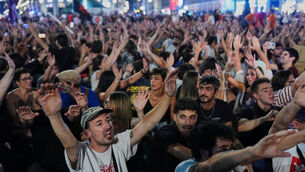
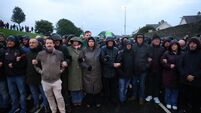
The leader has offered to support all of the opposition's proposals in return for the amendments, but Mr Yushchenko is standing firm. His campaign has mobilised hundreds of thousands of people to turn out for mass demonstrations in protest of the first runoff and he could lose much of his support if after the exhausting "orange revolution" he accepts a weakened president's post.

Mr Yushchenko is therefore pushing to put off the changes coming into effect until after the next legislative elections in 2006, by which time his Our Ukraine opposition coalition is hoping to pick up more seats in the 450-seat Upper Rada.

Mr Yushchenko scored a small victory during Monday's roundtable talks, when Kuchma agreed to disband the central election commission. But as the 66-year-old veteran said himself, the main point of contention remained the constitutional changes.

Tomorrow: Ann Cahill, Europe Correspondent, reports from Kiev on the battle for the hearts and minds, and pockets of the people.

More in this section

Cookie Policy Privacy Policy Brand Safety FAQ Help Contact Us Terms and Conditions

© Examiner Echo Group Limited