Hospital sealed off as experts give grim warning
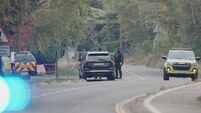
Hours after the World Health Organisation (WHO) advised people against going to Beijing, police took positions around the 1,200-bed People’s Hospital to stop people going in or out.
“No one is allowed to enter or leave,” a member of the 2,300-strong staff said. “There are policemen and security guards standing outside.”
The hospital is not one of those set aside to treat SARS patients but it has at least 60 confirmed or suspected cases among nurses and doctors.
It was the latest dramatic action by a government that declared war on Severe Acute Respiratory Syndrome last week, five months after the virus first appeared in the southern Chinese province of Guangdong and started spreading around the world.
China, which came in for severe criticism last week for not revealing the extent of the disease at first, took the WHO warning in its stride.
“We have had very effective cooperation with the WHO and we hope this kind of co-operation can continue,” foreign ministry spokesman Liu Jianchao said. “At the same time, we will diligently research the relevant recommendations the WHO has made.”
Mainland China has reported 110 of the 264 fatal SARS cases and more than half of the 4,600 or so infections worldwide.
Beijing, a city of 14 million people, has reported almost 775 SARS cases and 39 deaths and the number of infections is mounting by scores daily. Shanxi, west of the capital, has about 160 cases and seven deaths, the government says.
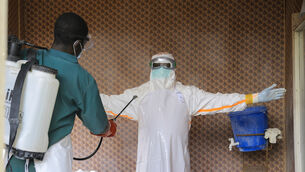
The People’s Hospital of Peking University was being disinfected and its patients and more than 2,000 employees moved to one of six hospitals in Beijing designated to handle SARS, the university said.
The hospital’s front gate was closed and a sign said patients and employees were barred from leaving and no items used in the building could be removed.
Visitors left bags of food and clothes, which the guard handed through the gate to masked hospital employees.
Anxious Beijing residents cleared supermarket shelves of food on Thursday amid unease about possible shortages.
“You should have seen it. Lines at the cash registers stretched all the way to the store’s back wall,” said a clerk at a Jingkelong Supermarket.