Books 2024: The foreign game has come a long long way on a bumpy road
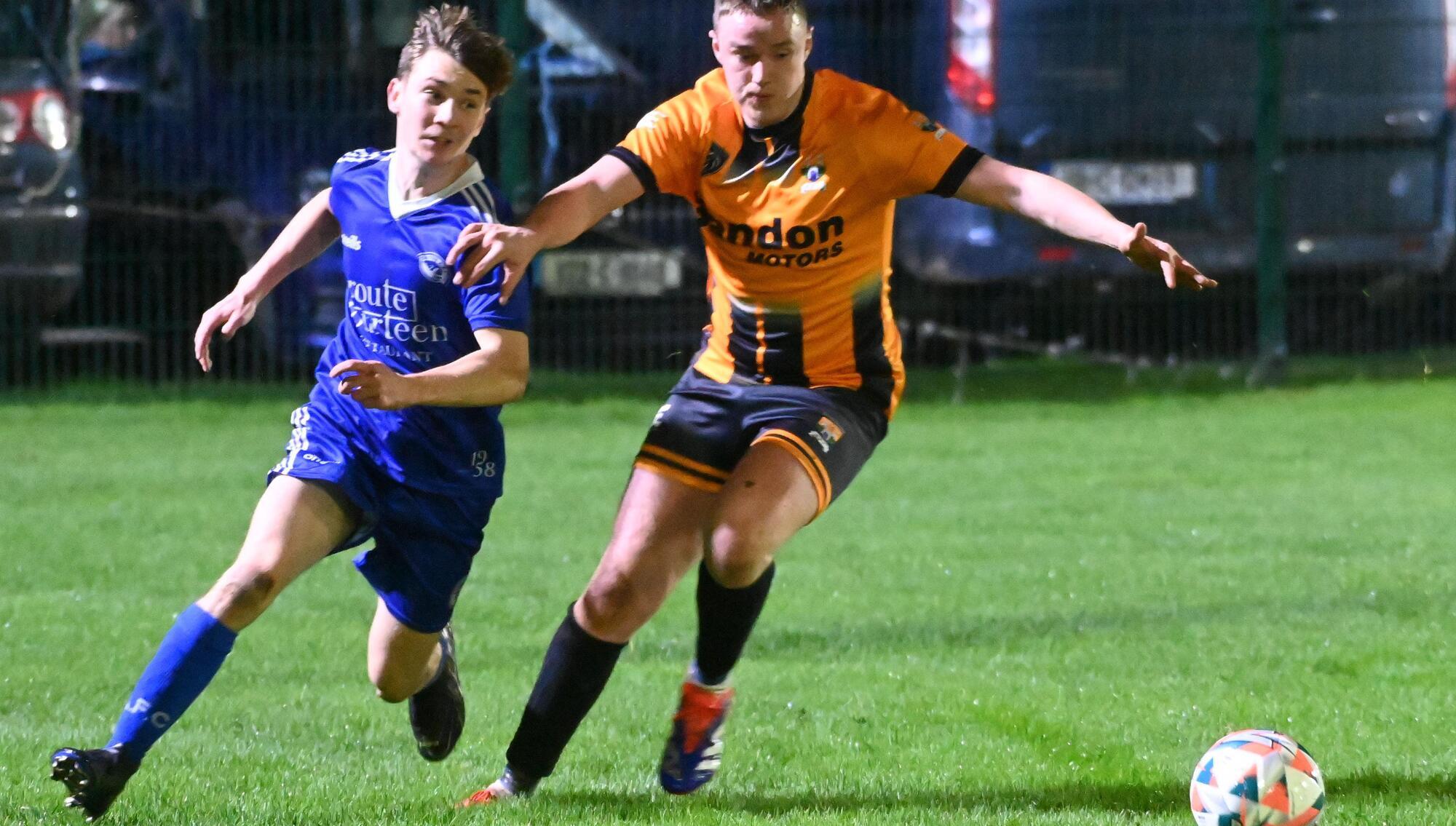
11th November 2024: Innishvilla's Eolann McSweeney and Everton Athetic's Jakub Piotr Sienicki tussle for the ball during the Beamish Stout MSL junior 3rd division game at Everton Park. Picture: Eddie O'Hare
A narrative holds that Jack Charlton and his team fertilised soccer across parish fields in Ireland’s corners round about 1990. There’s a view too, not shouted as loud, that Jack and his teammates sowed the seeds a quarter of a century earlier in winning England the World Cup.
Con Houlihan once wrote that showing the 1966 World Cup on Irish television “effected a quiet revolution in our island”. Bringing the game out from the cities, “it opened windows and blew away cobwebs – and implanted soccer in almost every parish.”
The superb book by James Quinn, published late last year, noted that RTÉ, for screening the tournament, were accused of promoting foreign culture and triggering “disturbing effects here among those followers who contaminate their minds with such world-disturbing, unnatural and degrading recreations”.
An important book just out traces how the virus became airborne. “The many Irish living across the water related back the great stories about the tournament and the enormous excitement that followed. Curious teenagers wanted to learn more about what was being called ‘The Beautiful Game’.
“Televisions were still a rare commodity so the lads would gather at the two viewing places. Rohu’s and the late Kit Hawkins, to get a close-up of the BBC highlights programme on Teilifís Éireann.
“It was a natural progression that having a go at playing followed quickly. You weren’t with it unless you could head a ball and knew the words of ‘Yellow Submarine’.”
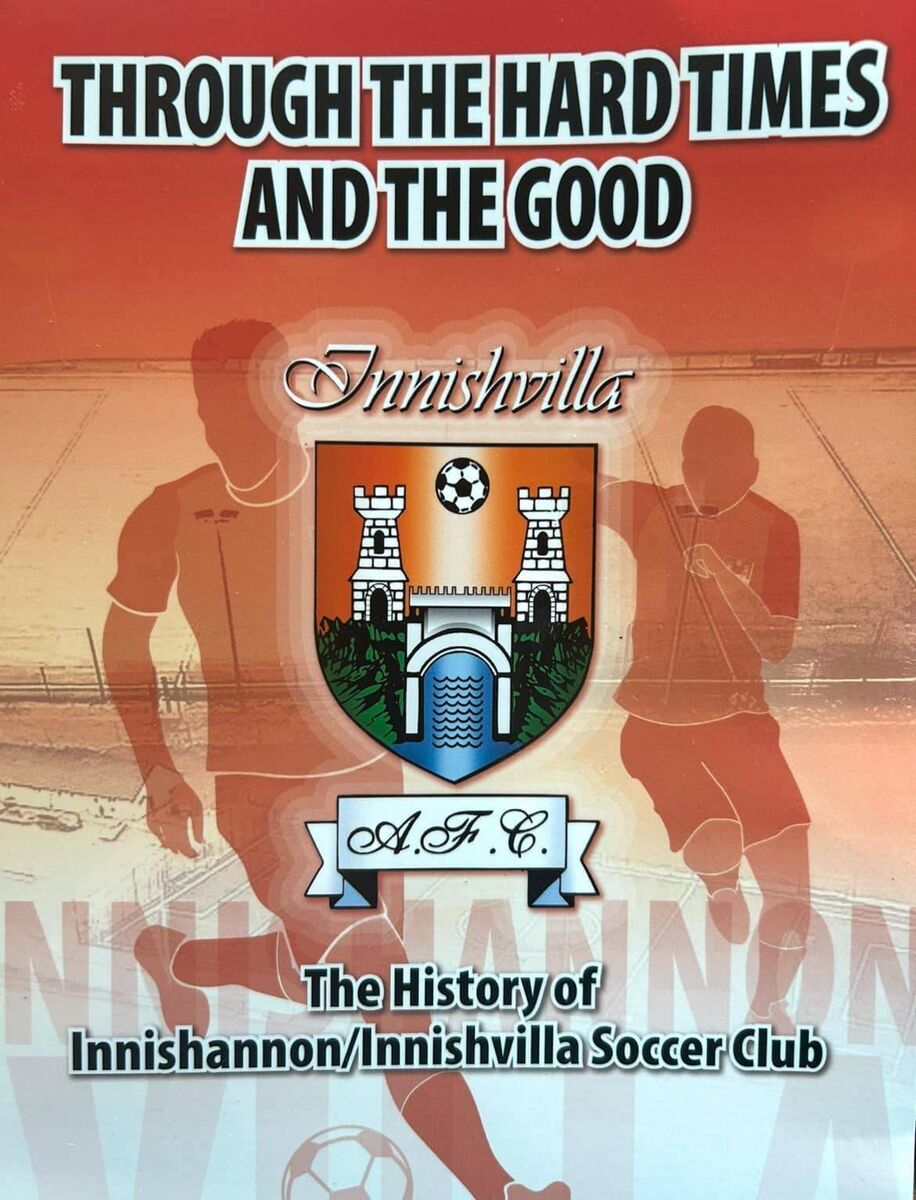
The book by Sean Lynch is , a nod to Fatboy Slim’s 'Praise You' and a perfect chronicle of how football in this country has “come a long, long way together” along a bumpy road.
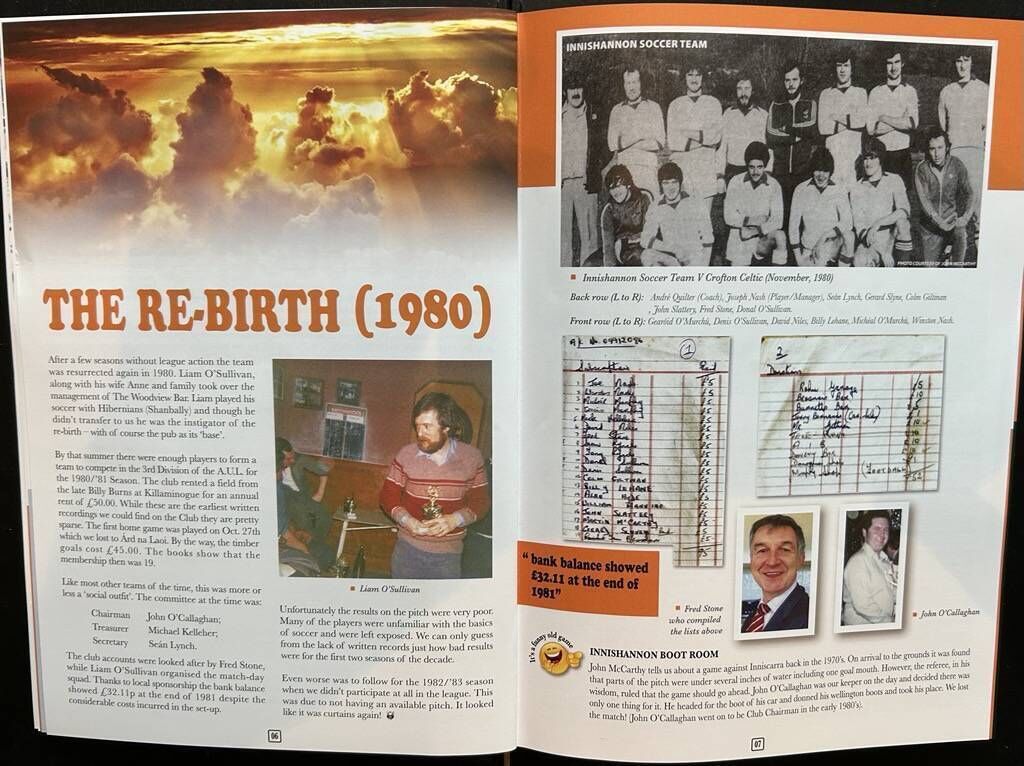
It is a beautiful, full-colour, painstakingly researched production. Of course it will appeal most locally since it's the story of soccer in the village and environs of Innishannon in Cork. But the book serves as much more than club history. It charts a battle still being waged in Irish football for recognition and respect and money and facilities. But in its ambition and reverence and pride in its subject, it also sets out how Irish football has to see itself to demand all those things.
Early steps are recalled. How the contraband of football reached “break time in Bandon Vocational School, where the Townies would take on The Country Lads behind the bicycle sheds. Luckily, head teachers went home at lunch so the ‘prohibited game’ could go ahead.”
Patches of territory were annexed for games. “The slip behind Corcoran’s House.” Beauty spots, you could say. Sometimes, late in the evening, in a mighty show of revolutionary defiance, the lights on the main street turned a village into Wembley. And ‘The Top End’ played ‘The Lower End’.
A first illicit 11-a-side featured sides from Bandon and Innishannon in the school field, coats for goals. But when word spread, any more degrading recreation on school property was stamped out.
There is record of a deeply illegitimate game played in the local GAA field by a CMP Dairies team, who fielded a milkman sympathiser with the cause. A fixture abruptly ended when the Valley Rovers hurlers arrived for training.
“The task of maintaining a team without a pitch was hugely difficult,” the locals reliant on invites from neighbouring teams. But Manchester United’s 1968 European Cup win — with its Irish connections — was more compost for the grassroots game. “It helped encourage our lads to carry on against the odds.”
The ‘Summer of ‘69’ revolutionaries are honoured. Ian Tennant, a Scotsman, the first manager. Paul Kingston provided a field. Audrey Slyne picked jerseys from a brochure in the colours of West Ham. Though a yellow and black set arrived and became the club colours. ‘Mr O’Brien’ of Doheny’s Bar gave a match ball.
The first players are listed. How many go unnamed because of ‘The Ban’? After that, milestones. Entry in the Cork AUL in 1971. First honours, promotion from Division 3 in 1973/74. Then a reality check.
The official 'foreign games' ban might have ended in 1971, but the unofficial ban was very much alive. “The team was gaining increased attention and ‘dual’ players could no longer hide and avoid the ban.”
A reality too that has stunted growth of football in many small places and clubs. The successful players were poached by other sides. A team in Innishannon wasn’t resurrected until 1980.
Lynch, secretary for the rebirth, is a heroic figure in the development of the modern Innishvilla FC. Player, coach, manager, chairman, fundraiser, president. Through his passion and time and love and money, he, his wife Joan, and others like Noel Ryan, have woven soccer into the community. Countless teams at all ages, boys and girls. Two grass pitches, an astro, dressing rooms, coffee shop make up their beauty spot at Jake O’Donoghue Park.
Sean writes of the effects of 1990. Perhaps not as transformative as widely billed. “Many were more impressed by the Irish having an audience with the Pope. ‘They mustn’t be all bad after all’. But hurling was still the religion around here.”
The GAA does parish pride brilliantly. Club histories sit on bookshelves like bibles. Scarce soccer books like this can open more windows and blow off persistent cobwebs. We know little of how some of the great names of grassroots football were built, except for a few passages in the autobiographies of our great players, who know well how much they owe people like Sean Lynch.
CONNECT WITH US TODAY



Be the first to know the latest news and updates