The men who made Man United and the importance of upholding that identity
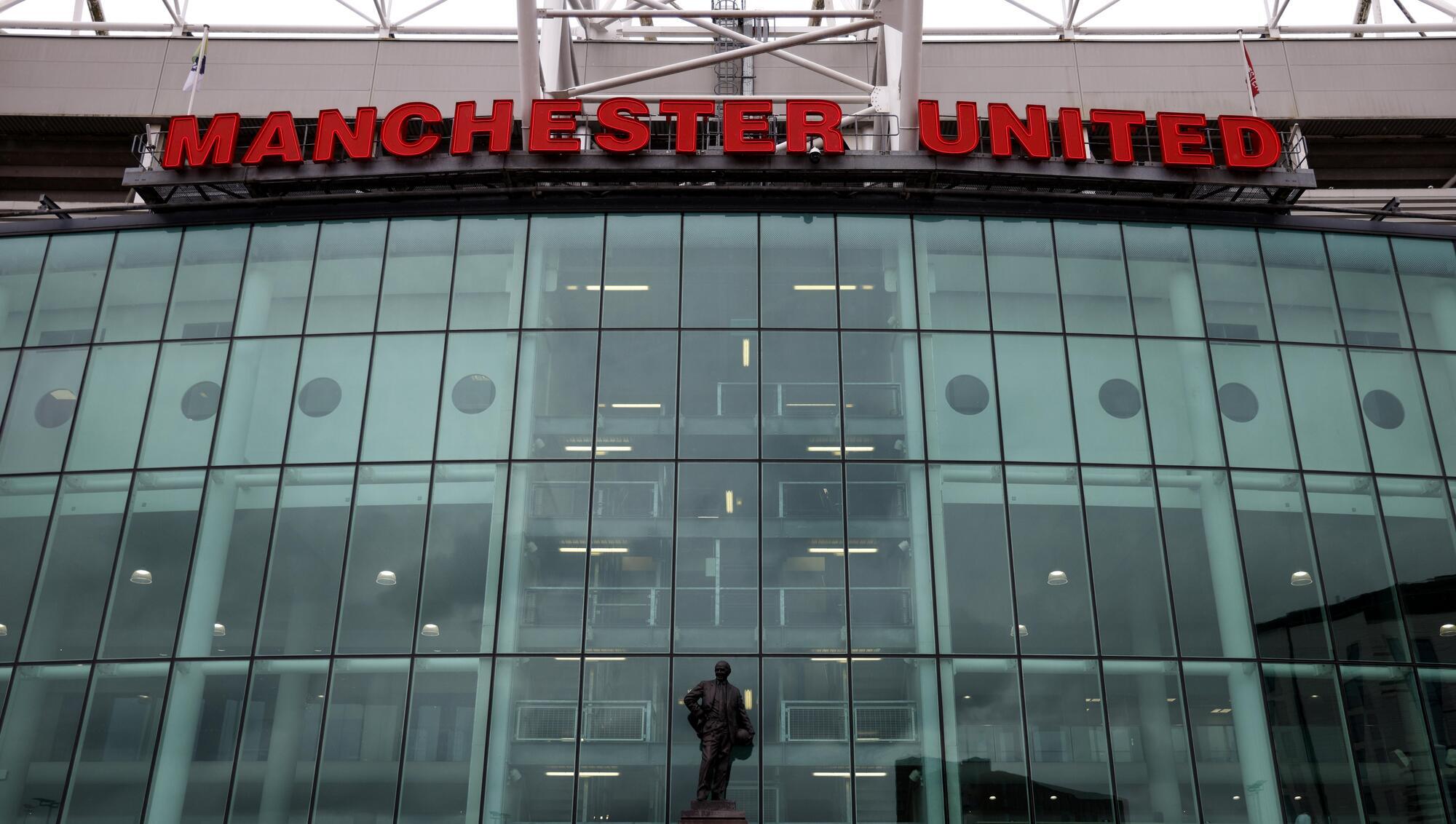
The Theatre of Dreams.
ONE day Dubliner Johnny Carey scored a hat-trick for his beloved Manchester United as they beat Bury 7-3 at Old Trafford. The next, he passed that famous stadium on his morning cycle and saw it engulfed in a ball of flame.
Carey grew up on Adelaide Street and became a Home Farm sensation after he was banned by the GAA for attending a Saturday night dance. It was later at St James Gate that he caught the attention of scout Louis Rocca. In 1937 their new no.10 made his debut in front of 22,000 diehards.

Three years later, World War 2 threw the country into disarray and Carey was resisting his mother’s pleas to return home. He found wartime employment at one of Trafford Park’s factories. 12-hour shifts ensured the only time he saw daylight was on a Saturday when granted leave to play football. It was on a morning commute that he spotted the destruction wrought on their ground by The Luftwaffe. The main stand was reduced to rubble, completely destroyed. The club, he feared, would soon follow.
“I love his story. Johnny Carey is a main sub-character in the book,” says Harry Robinson, author of The Men Who Made Manchester United.
“He opened up the relationship between Ireland and the club. It played a key role obviously but wasn’t getting as much attention in the book until he showed up. He does eventually fight for Britain. He was working in the factory, big bags under his eyes from torturous work but still playing football because he loves it.”
Robinson is a writer and broadcaster who came across the story of Louis Rocca, a second-generation Italian immigrant. As a child, Rocca was caught trying to wriggle under the fence for a Newtown Heath game. He ended up doing anything and everything for the institution that would become the biggest club in the world: making tea, cleaning baths, kitman, groundskeeper, assistant manager and chief scout. That stalwart is one of eight characters at the heart of the book, a thorough exploration of the club’s football and social history. The idea was born from Robinson’s podcast series, United Through Time.
“The book came out of that. As I began to research it more, I realised how these people have been covered in parts but not fully. So much of United history focuses on Busby, Best, Charlton, Ferguson, Beckham, Ronaldo, whoever. Rightly, that is why they are famous across the world.
“But as I began to research it more, the key characteristics of United, all of these that have been mentioned since Bobby Charlton died, youth and courage and success, they were all there. United were defined by that pre-Busby.”
This was the era of thin and thinner. That bombing occurred a decade after they just staved off bankruptcy. The gym, the dressing rooms, the kit and boots were all wrecked. In the proceeding weeks, they played six away games in a row before borrowing Maine Road as a home venue. At the time, Britons bought clothes with coupons, the same process as purchasing food. After the Board of Trade rejected United’s plea for an exemption to purchase a kit, the local community donated their clothing coupons instead.
Crumbling walls, an enduring soul. Sounds fitting? A persistent narrative, an enduring identity. The book is rife with rich stories that somehow resonate deeply today. Surrounded by financial chicanery and greed, some supporters seek solace in the myth it wasn’t always this way. This invalidates that.
United supporters in uproar when season ticket prices were raised following promotion in 1906. Directors suspended for illegal payments to players and failing to keep proper accounts. Corruption is not new. It just reaches deeper.
“All of those debates could be happening right now. I actually think it has made me more sympathetic to City than I was before. Well, I’m torn. Maybe it makes it less surprising. This isn’t a new thing. Successful football clubs throughout history often cheated to get there, financial cheating. United cheated financially to win our first two titles and the Cup. If you call going against the FA’s rules cheating. Now every single club at the time were probably cheating but even still. The history shows it has always been about money. Big businessmen coming in and funding their club to success. United are one, so are City.”

Sunday is Manchester Derby day. It should be an inspiring tale, 19 of the last 30 titles were claimed by this city. A place where the Football League was founded, yet no Manchester team was included in the 12 founding members. The distorted makeup of modern football means it isn’t.
In the face of that this book doesn’t offer a silver lining, rather a significant admonition. What should the club stand for? Supporters still have a say in that, as was demonstrated during the Marcus Greenwood controversy or the Super League. Even if values have been reduced or sold, currently clubs still do represent something. That is why it matters. That is worth protecting.
“The identities of these clubs have been formed over years. Researching this shows City’s history is great as well, as much as we like to take the piss out of it. There are amazing stories there. It is an incredible story when you pair it with United. And they are linked.
“The danger now is that the values we hold dear for those clubs are only upheld by the supporters. Greenwood, Super League, smaller stuff like Arnautović, that was the fans. It is dangerous if only supporters uphold those values. Look at Newcastle. Those supporters to me have failed to uphold the values or maybe they have different values.
“This is not that different. Football clubs have always been businesses. They may not necessarily set out to make money, but they almost always had an ulterior motive for their owners. If not profit, prestige in the community. Now is no different. It is just much more extreme.
“United has gone against that identity. Supporters from both clubs will feel that what their club once was is no more. Those clubs have gone against their history. Not 10, 20 or 30 years of history. This identity was created over 100 years, by how they responded to two World Wars or the Wall Street Crash. At the moment a lot of United fans and I know not all City fans, but certainly some older ones, feel like their club isn’t quite their club anymore. That is why it hurts so much.”