Enda McEvoy: When you're arguing over the biggest club in football, don't forget the intangibles - like aura
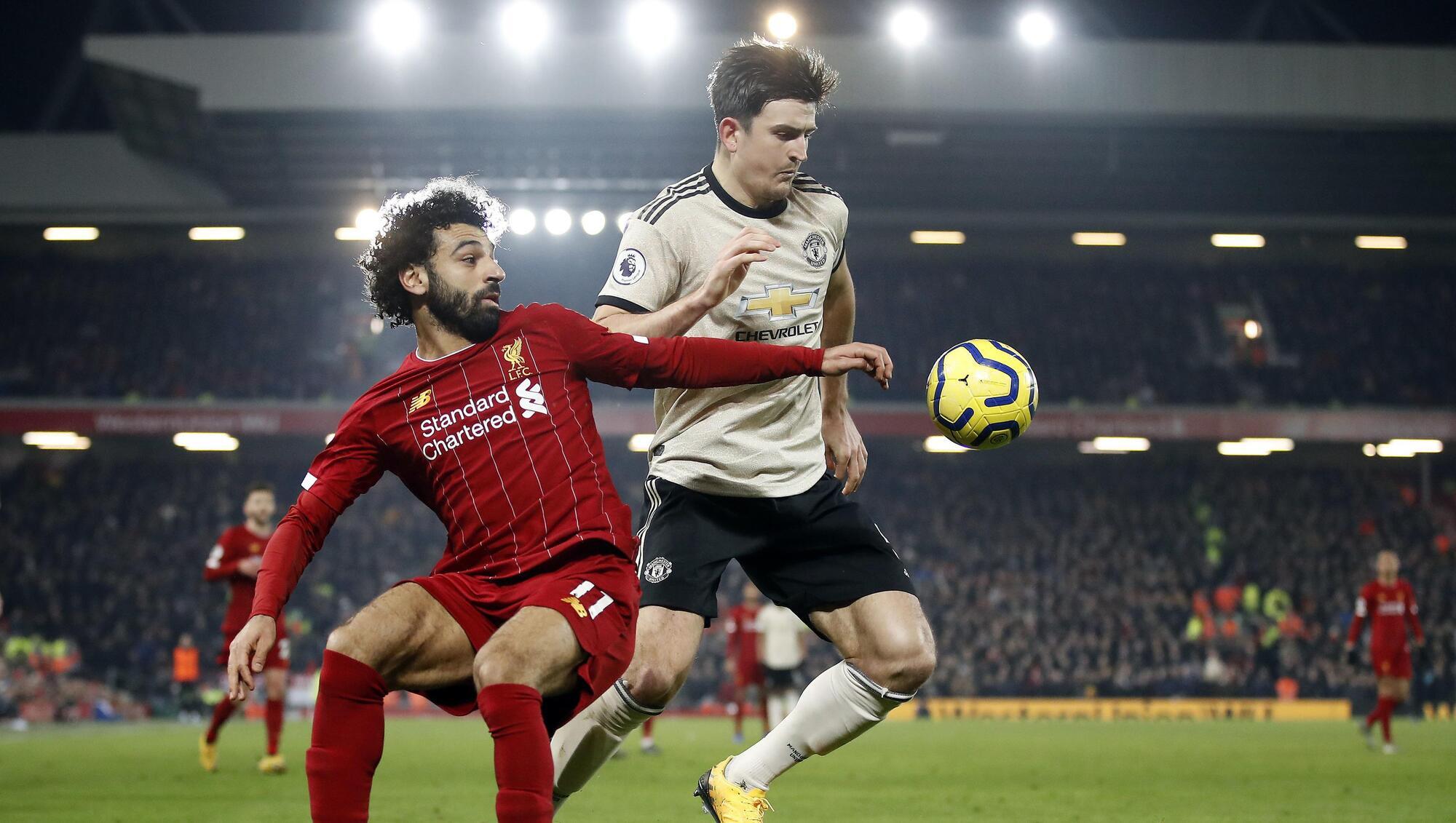
Liverpool's Mohamed Salah and Manchester United's Harry Maguire battle for the ball at Anfield last January.
For human beings it’s straightforward. In case of emergency, break glass.
For sports editors and sportwriters it’s equally uncomplicated. In case of space to fill, concoct a list.


Read

Listen

Watch

Play
CONNECT WITH US TODAY



Be the first to know the latest news and updates



Sport
Newsletter

Sign up to our daily sports bulletin, delivered straight to your inbox at 5pm. Subscribers also receive an exclusive email from our sports desk editors every Friday evening looking forward to the weekend's sporting action.
Sport
Newsletter
Sign up to our daily sports bulletin, delivered straight to your inbox at 5pm. Subscribers also receive an exclusive email from our sports desk editors every Friday evening looking forward to the weekend's sporting action.
Most Read
Friday, October 2, 2026 - 10:00 PM
Friday, October 2, 2026 - 11:00 AM

Friday, October 2, 2026 - 7:00 PM



Check out our diverse library of newsletters and get the best of the Irish Examiner delivered straight to your inbox