Once there was gloom and near doom at Dundalk, now the Lilywhites have blossomed
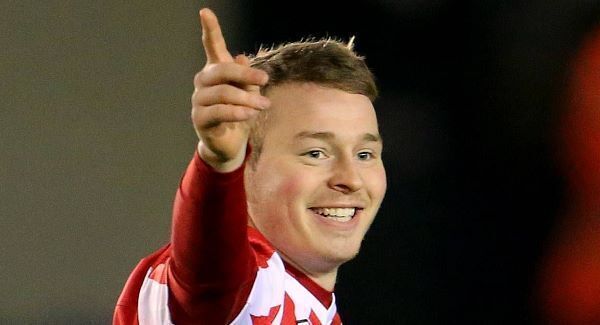
There’s Colin Scanlon, for one. With Dundalk looking likely to spend another season in the First Division, Scanlon scored a final-day, stoppage-time leveller for Limerick against Shelbourne to deny the Dubs the 2008 title, and send Dundalk up.
And then there’s Michael Rafter, a man who played only one season with the now champions. As Dundalk plummeted to the bottom of the Premier Division in 2012, it was Rafter who scored the two goals that turned a relegation play-off in their favour.
That season was a tumultuous one for the Lilywhites. They came within 14 days of going bust, within 90 minutes of relegation, wages went unpaid and, even once they’d won the play-off, an appeal about Rafter’s eligibility threatened to drag them down. But more of that later.
What’s important is new owners took over the club, Rafter kept them up the next month and with that, the way was cleared for Stephen Kenny’s arrival.
In 2012, Dundalk lost 18 league games. In the four years since, they’ve lost a total of 17.
“Things might have been a lot different had we gone down that year,” says Rafter, whose playing days have since been dogged by career-threatening ankle injuries. “I still get a few messages now off of fans thanking me for the goals.”
Who knows if Stephen Kenny would’ve signed up if they were in the First Division? Who knows how long it would’ve taken them to escape the lower tier and what the impact would’ve been on their financial woes?
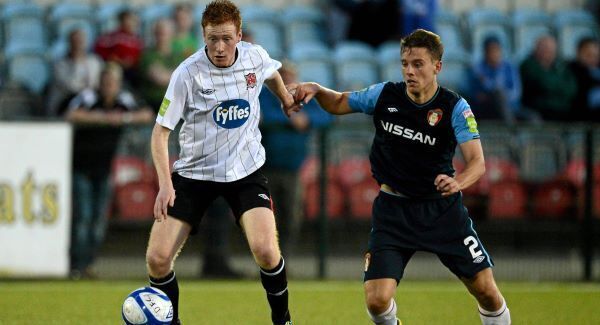
Indeed, who knows if they would’ve stayed up at all but for Monaghan United’s withdrawal in June?
“We went on a very bad run that time, so if Monaghan didn’t go bust, who knows? You can’t say. We could’ve been bottom or scraped second-bottom and still managed to be in a play-off,” Rafter speculates. “You could just say maybe it was meant to be that Dundalk would be where they are today when little things like that happen.”
Even then, Dundalk appeared on the precipice of doing a Monaghan too.
“We were very close to hitting the wall five weeks out from the play-off,” recalls Rafter. “I can remember we were on a bus down to Tallaght for (Shamrock) Rovers away and we were told we weren’t getting paid that week. We went in and we got beat 7-0 that night. It wasn’t looking good for us.”
Fans organised a ‘Save our Club’ campaign. There were bucket-collections at home games. The famous Dundalk fan Maxi and his taxis were going around seeking donations. They were seeking a silver lining amid the doom and gloom.
Then Waterford came to Oriel Park for the play-off first-leg and left with a 2-2 draw. Rafter had briefly played for Waterford the previous year, but felt aggrieved by his treatment at the RSC. He was determined to make an impression on his return.
Scoring both goals in a 2-0 season-saving victory did just that.
“The first goal on the night was probably my favourite goal I’ve ever scored,” he says.
“I didn’t get on very well at Waterford. I wasn’t treated properly when I went down there, there was a lot of stuff going on. So I was over the moon to get the two goals on that night and rub it in their fans’ faces a small bit, looking back on the stuff they had said about me.”
That wasn’t quite where the season ended, however, as amid the celebrations Waterford raised questions about Rafter’s eligibility to the FAI.
“I was just after getting back home from Dundalk after the weekend and a mate of mine rang me and said, ‘You’re on the radio’. It was all over the radio that, apparently, I was illegal to play or some nonsense.”
They claimed he was an amateur player, signed after the official amateur transfer window’s deadline. Dundalk insisted he had signed pro forms and the FAI had approved the transfer in time.
It proved a case of Dundalk’s rancorous play-off history with Waterford repeating itself. In 1997, Dundalk controversially signed Jeff McNamara the day before the play-off, which they won, with McNamara scoring twice off the bench. Waterford objected over his eligibility and lost.
Then in 2006, Dundalk again bettered Waterford in a play-off, only for a league restructuring to deny them their Premier Division place. Waterford and Galway were chosen to jump the queue.
Rafter’s legality was cleared at a disciplinary hearing a week later but it would be Rafter’s last involvement with Dundalk.
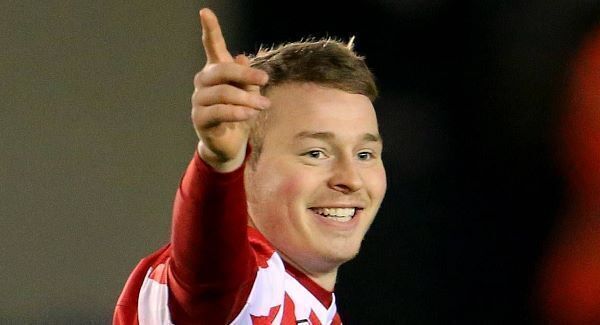
“Stephen rang me to sign for Dundalk the following year, but I had two ankle operations when I played in England and I wasn’t supposed to play on AstroTurf. So playing a whole year at Dundalk and training every second day on an AstroTurf, I couldn’t go back again for a year.
“I don’t regret leaving Dundalk to go to Derry. I’m delighted looking back that I did score the two goals to keep them up, because you’re probably looking at the best team in League of Ireland history at the moment.”
Rafter had a successful year with Derry and became one of John Caulfield’s first signings at Cork City. Although he has good memories of the Leesiders, ankle injuries prevented him getting any game-time. After a spell with Finn Harps this year, the Tipperary native is back playing among family and friends at Glengoole United.
“I’m not sure who I want to win the cup final. I had great times with Dundalk and not so much at Cork with the injury. But Cork are my local club, so I’m caught between the two. I’m expecting a good game. I was hoping to go to it but First Division Tipperary football calls and I’ve a game on Sunday.”
CONNECT WITH US TODAY



Be the first to know the latest news and updates