Superstars of any training camp are the medical team
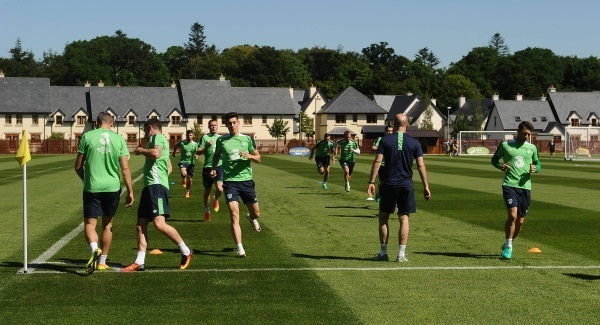
Though it’s not very scientific, boisterous daytime banter is the best measurement of any successful training camp, writes Edward Coughlan

Superstars of any training camp are the medical team

The decision to go on a training camp is not one to be taken lightly. Athletes the world over are currently away from their regular training base preparing for the ‘Greatest Show on Earth’. With Rio 2016 commencing in a little over two months, top quality training camps are in high demand. The decisions where to go are determined by the high performance facilities available that will allow for the environment to be tailored as a place of optimal training adaptation while away from home. The quality of the social amenities on offer are the added bonus to ensure there is a balance between high- performance and high-times.

Ireland may not have the altitude of Font-Romeu in France or the reliable warm-weather of the Algarve, but what we lack in environmental conditions, we make up for in facilities, hospitality and no air travel! For instance, this week Michael O’Neill is in Carton House and Martin O’Neill is in Fota Island, both putting the finishing touches to their Euro preparations.


Some GAA counties are even creating that training camp experience within their own county with the players only staying overnight on a Saturday for a camp that started on Friday morning.

However, if flights are part of the plan, as is the case for several inter-county squads, such as Kerry and Mayo, who are currently abroad, make sure the travel itinerary is free of late-night arrivals and crack-of-dawn departures. How you start and finish a training camp plays a large part in its success.

The most important step in ensuring a world-class training camp is a reconnaissance trip to the site of choice. . The key areas for inspection involve everything and everywhere the players inhabit. The training pitch is an obvious place to start.

What’s the condition of the playing surface? Are there nets behind the goals? There is nothing more demoralising than spending 20 minutes after training looking for balls in the gorse bush. An often overlooked question is whether you’ll be sharing the facility with any other set-up or sport and how the scheduling of the pitches and recovery rooms will be handled. Which brings us to the superstars of any successful training camp – the medical staff.

Make no mistake about it, they’re the hardest working people at a training camp, so every effort should be made to ensure they want for nothing. The camp clinic must have ample space, be well ventilated, and in a room with plenty of natural light.

Speaking of rooms; are the players’ bedrooms in a quiet part of the complex? Recent evidence from Australia on athlete sleep patterns during training camps tells us that they spend too much time in bed which negatively affects their sleep efficiency and total night-time sleep.

This is why the prescription of a daily power-nap should be included in the camp schedule and why it is imperative there is a substantial choice of good quality social amenities on offer. The knock-on effect of them hanging around too much is two-fold. Cabin fever can set in and, worse than that, they spend all day eating. It’s not surprising there’s evidence reporting weight gain at training camps. Which is why the next most important person in your camp is the nutritionist.

The relationship between the nutritionist and the kitchen is critical to ensure their menu requirements are met and the timing of meals accommodates the training schedule. Elite athletes are confined to meal plans and macro-nutrient rations as it is, so a creative nutritionist can reduce the likelihood of eating becoming a chore. Such creativity is not confined to the nutritionist. The S&C coach may need to adapt to the new environment to ensure the periodisation of their programme is maintained while on the road.

However, nothing injects new life into a training regime quite like a change of scenery. Which brings us to the daily schedule of the players. Public enemy No 1 at any training camp is the scheduling of pitch sessions, video sessions, and team meetings almost on a daily basis. The old adage of ‘less is more’ should be the bedrock of any camp schedule when it comes to the time-on-feet prescription of the players’ physical interaction. Instead, avail of the additional access to players to catch-up on goal-setting one-on-ones, orchestrating impromptu chats between your misfiring forwards and fine-tuning individual skills of players.

Though it’s not very scientific, boisterous daytime banter is the best measurement of any successful training camp.

Finally, there are three items that every training camp should have in vast supply; water, sun cream, and more water.

  • The author is a skill acquisition specialist across sport with extensive experience in football and hurling at inter-county level.

Here's a little extra sport. Watch the latest BallTalk for the best sports chat and analysis:

More in this section

Sport

Newsletter

Latest news from the world of sport, along with the best in opinion from our outstanding team of sports writers. and reporters

Cookie Policy Privacy Policy Brand Safety FAQ Help Contact Us Terms and Conditions

© Examiner Echo Group Limited