Moyes earns right to fight on
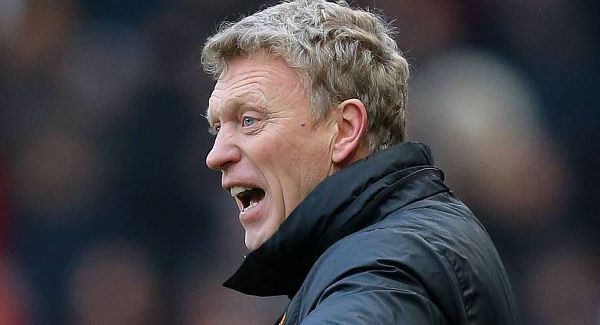
Most conspicuously, David Moyes has gone from contemplating what might well have been his last six days in the Manchester United job, to excitedly awaiting today’s draw for the Champions League last eight. Utter gloom has turned to expectant glee.
Make no mistake, that was how big Wednesday night’s win was, even if Olympiakos themselves did not exactly represent the biggest challenge.
Numerous Old Trafford sources state that, had United been eliminated at the last-16 stage, it would have genuinely brought Moyes right to the brink; that there would have been immense pressure on him to produce something more than respectable results against West Ham United on Saturday and Manchester City on Tuesday to keep his job.
The prospect of a sacking had become far from unthinkable. The dynamic had radically changed from the first few months of his reign, when United still maintained this relatively quaint old idea that they could consistently display the patience of the past, come what may.
The reason for that change, however, was apparently down to something much deeper than the club no longer displaying the on-pitch performances of the past either. It was precisely because of the very modern context.
United sources say that, although club officials have long budgeted for a year out of the Champions League — which explained the previously unwavering support for Moyes despite some dismal displays — it would be looked upon an awful lot less favourably when combined with a failure to reach this season’s quarter-finals. One financial hit they can weather, but a multiple becomes less acceptable.
Basically, it is a lot easier to ‘sell’ Champions League quarter-finalists in marketing deals, regardless of domestic results.
You only have to consider the reports about the amount of sponsors invited for the Liverpool game last Sunday, and the atrocious manner in which United succumbed 3-0. Those close to the Old Trafford hierarchy state that some commercial partners have become a little perturbed at being associated with failure, particularly when they expressly signed up because of that record of extreme success.
That is said to most bother United officials, which reflects both the stories of pressure in the build-up to the Olympiakos game, as well as the way the modern elite game has gone: that it is ultimately finance which trumps football.
Of course, there is an argument that the most logical business decision of all would be to ‘sell high’ and immediately sack Moyes for a better manager, now that the club actually has something to play for again. It would probably give them a much better chance of replicating Liverpool 2005 or Chelsea 2012 and really having a chance at winning the Champions League this campaign.
Not even United have moved that far from tradition, however, especially with Alex Ferguson still on board and Moyes having finally offered a sense of achievement.
Actually building on that, though, will require ending a different trend of this campaign. In eight broadly separate sequences this season, United have gone through that troubling triptych: disaster, followed by moderate encouragement against weak teams, followed by an even bigger disaster than the previous one.
The key is not the past, however, but what comes next. Whatever about the remaining doubts over Moyes’ entire set-up, he can use a genuinely transformative result like this to try and transform the mentality around his side. That has happened before too.
It could yet have a big say in this Champions League, given how open such a knockout competition also is to the nuances of fortune.
Moyes must start radiating a sense of business as usual.
£60m: Amount United earn from commercial revenues
£20m: Amount United earn from match-day revenues
£420m-430m: United’s annual revenue projections, based on reaching theChampions League quarter-finals
£35.5m: Estimated cost of missing out on the Champions League next season.
CONNECT WITH US TODAY



Be the first to know the latest news and updates