'Our bodies shouldn’t really have anything to do with that': Cantwell backs athletes criticising Sweeney's Novigo campaign
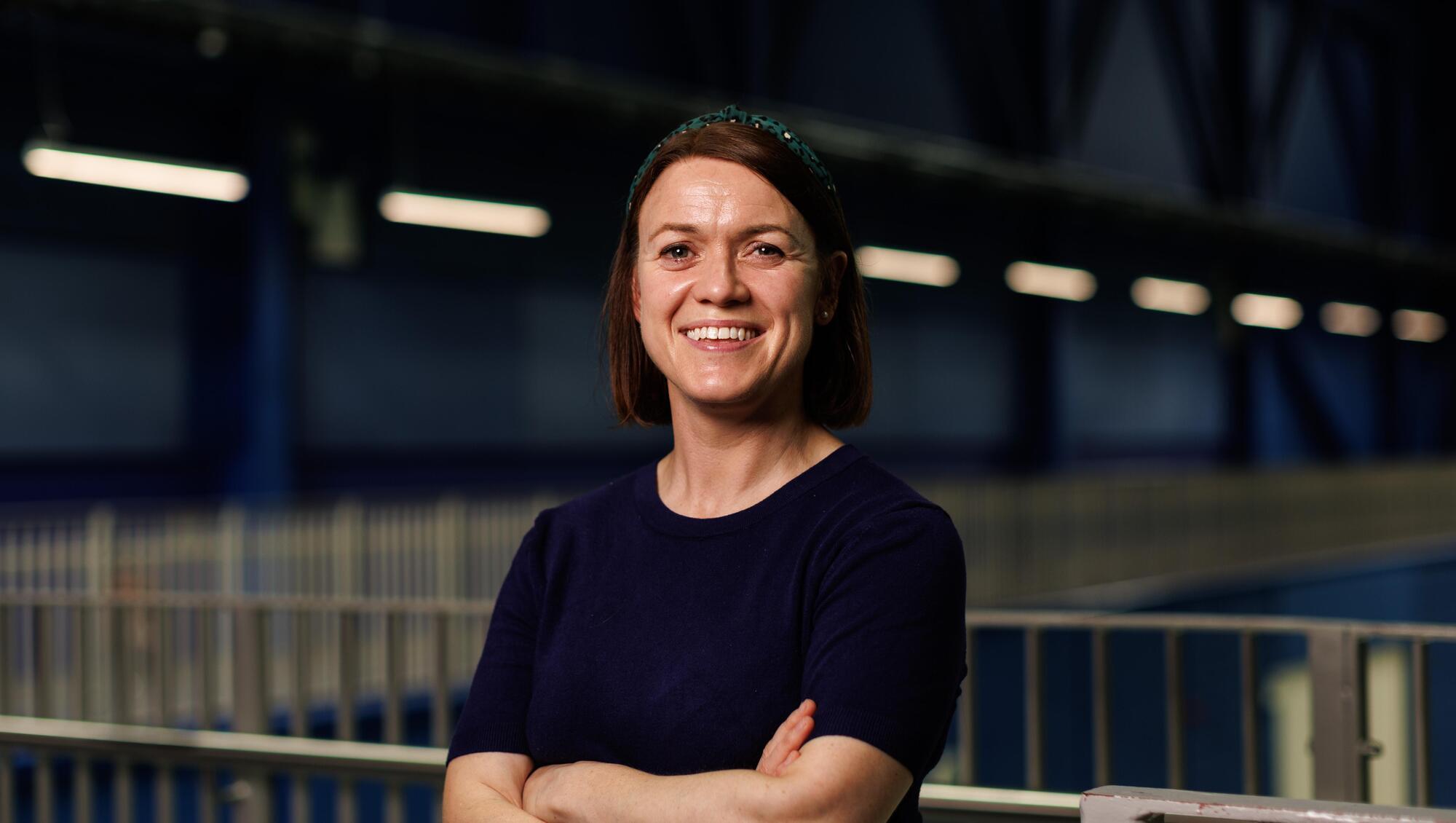
Head of Women’s Strategy for Irish Rugby Lynne Cantwell. Pic: Ben Brady/Inpho
IRFU head of women’s strategy Lynne Cantwell has backed the high-profile female athletes who have criticised the controversial Sydney Sweeney Novigo advertising campaign, saying women should be valued for their capabilities rather than their bodies.
Sweeney’s involvement has prompted a backlash from prominent figures such as four-time Olympic swimming champion Ariarne Titmus of Australia and Britain's European sprint champion Amy Hunt, who have questioned the way women are represented and objected to the emphasis placed on physical appearance in the advertisement.
Cantwell, who had a background in athletics before she played Test rugby for Ireland and subsequently moved into administration, first in South Africa and then in Ireland at the start of last year, admitted she had only seen the advertisement on Tuesday.
“You’re hearing a million stories about is she (Sweeney) part of the company, is she not, what was the incentive, all that stuff," said the 44-year-old.
“I want all of our women and girls, all of our daughters, all of ourselves, all of our sisters, all of our wives, partners, friends to be valued according to who they are, for their mind and their character and their integrity - and I want that for my son as well.”
Cantwell believes the use of a woman’s body to generate publicity can distract from what women are capable of achieving.
“Our bodies shouldn’t really have anything to do with that,” she said. “And therefore, what’s being portrayed is that if you’re using a woman’s body to create talk and noise and so on, that’s detracting from what she can do and other capabilities.”
A number of elite female athletes have used their platforms to challenge the messaging surrounding the campaign and Cantwell supports that intervention.
“One thing I’m exceptionally passionate about is, having come to an athletics background as an individual sport, I didn’t know I was a woman in sport until I was about 25, I just thought I was a sports person," she reflected.
“What I learned through being an athlete is physically how unbelievable you can become - bigger, faster, stronger, and that’s what I am. So that's what I was."
Cantwell said her experience as a mother has deepened her appreciation of the physical complexity and capability of women’s bodies.
“I’ve had three kids and I see how incredible women’s bodies are and all the complexities of that,” she said. “And therefore, I love when the female athletes are coming out and saying this is what women’s bodies are capable of. So we crack on.”
She believes that message is particularly important in sport, where female athletes are increasingly challenging established narratives about how women should look and behave.
“We have that in individual sports,” she said. “We don’t have them in team sports yet, only because of opportunities, and so I think that’s the narrative that’s really important.” Cantwell also stressed that her position should not be interpreted as opposition to women choosing how they present themselves.
“That’s not to say if women or men want to express themselves in certain ways, that they shouldn’t be given the freedom to do it,” she said. “But once it’s framed in the right way, that doesn’t detract from the kind of movement that we’re on.
“I think the focus on what women are capable of, as opposed to that part that has historically been judged, isn’t healthy."

CONNECT WITH US TODAY



Be the first to know the latest news and updates