Numbers in the air as Boks give Ireland a bomb to defuse
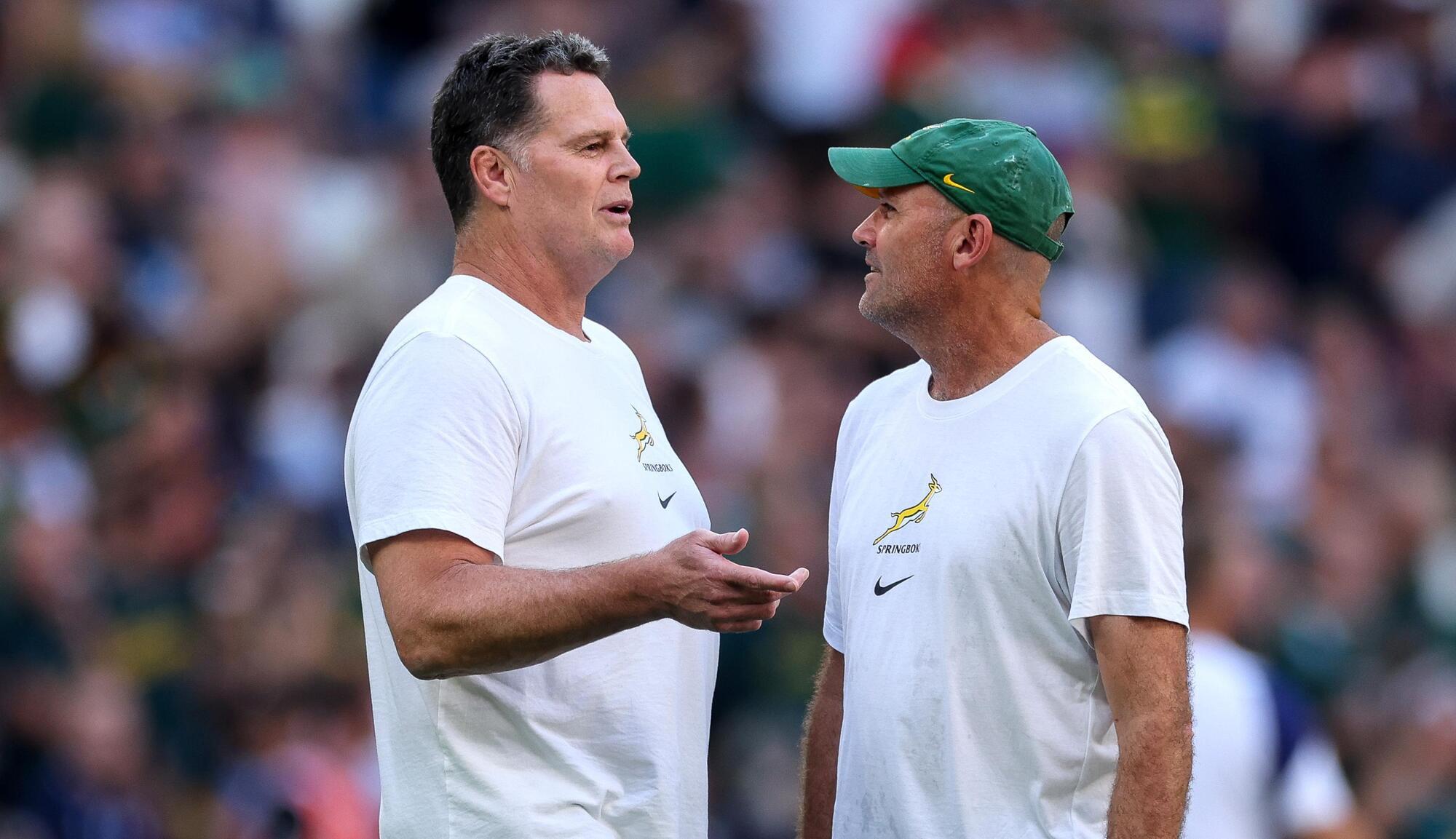
BRAINS TRUST: South Africa Director Of Rugby Rassie Erasmus and South Africa Head Coach Jacques Nienaber. Pic:INPHO/James Crombie
The byline here might reference the French capital but the Springboks, like Ireland, are spending their days leading up to tomorrow’s Pool B showdown at a remove from a city that was equal parts flooded with rain and traffic and noise yesterday.
The visit of King Charles III, and his address to the Senate, was grabbing the headlines before Fabien Galthié’s French team found itself assuming the spotlight later in the evening as they faced Namibia down in Marseille.

If the heavens were open through much of the day here then it still felt like the calm before Saturday’s storm at South Africa’s luxurious base 50km or so to the north as the squad went about anything but business on their day off.
Jean Kleyn was an early riser in making for the Paris train but many seemed happy enough to loll about back at camp, the gaggle of spouses and children lending the sort of relaxed vibe that was equally evident before their opener against the Scots. That worked out alright for them in the end.
That win on week one all but guarantees the world champions passage through to the knockout stages regardless, but Ireland at Stade de France is so much bigger in the context of the teams themselves and the wider context for the tournament at large.
“This is an important game. Everyone knew this would be a tough pool to get out of,” said head coach Jacques Nienaber. “From the first game against Scotland there was massive pressure and then Romania and now Ireland and then there is still Tonga.
“A win for us or for them will put you in a good position to get out of the pool and that is why there is pressure. But that was there when the World Cup started. So it doesn't actually change for us because the pressure was set. We said we are playing knockout rugby from game one. Nothing has changed.”
That’s not strictly true.
South Africa have lost world-class hooker Malcolm Marx to injury and replaced him with out-half Handré Pollard, who doesn’t feature this weekend, and that unorthodoxy is visible again on a Bok bench that now boasts seven forwards as opposed to six.
The 7/1 split has colonised enormous chunks of the pre-match discourse and Nienaber is having none of the theory that the use of these extra grunts is some threat to the health and safety of everyone concerned, or breaking unwritten rules or conventions.
“If there is innovation in any sport it gets reaction, positive or negative,” he reasoned. “This is obviously unique. It is the first time a team has named seven forwards and one back on the bench so that is why I would say it's innovation. That will get reaction.
“In terms of player safety, I don't get that. I know nothing stops anyone else doing it and it will be a sad day if you're innovative in the laws of the game and then they would change that. It's not against the laws of the game and I don't think it has any bearing on player safety at all.”
The numbers beyond the obvious 7/1 are interesting here. Tot up the official measurements of the two matchday squads and Ireland’s 23-man roster comes in at almost two inches higher, at 6’ 2”, while the average weight of the Six Nations players is roughly 0.7 kilos more per man. Who’d have thought it?
If it’s the bench that has created the impression of an uneven playing field then is this a suspicion confirmed or compromised by a Bomb Squad that comes in at 861 kilos and an Irish reserve that amounts up to just ten kilos lighter? Just over one kilo per man.
Dig that bit further into the two ranks and, while four of the five heaviest players on view in Saint-Denis will be South African, Ireland would still have half-a-dozen representatives on the field if the first XV of the combined teams was chosen on heft alone.
None of which is to dilute the fascination in all this.
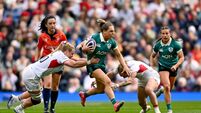
Andy Farrell’s decision to stick with the 5/3 rather than twist has been portrayed as a refusal to ‘take the bait’ and, lest we forget, Ireland go into this fully aware of what lies ahead. The All Blacks had this sprung on them shortly before kick-off in London last month.
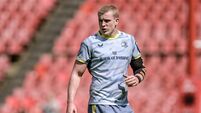
“It's a big test, but it's also a risk,” said Siya Kolisi. “But you must be willing to take those kind of risks to see whether things work or not. I'm looking forward to it.
“It's the best team in the world to test it against. They're really good, won [15] in a row and they can't do much wrong at the moment, so it's going to be good to see how it works out.”