Assessing the Autumn: How rugby's heavyweights fared in November
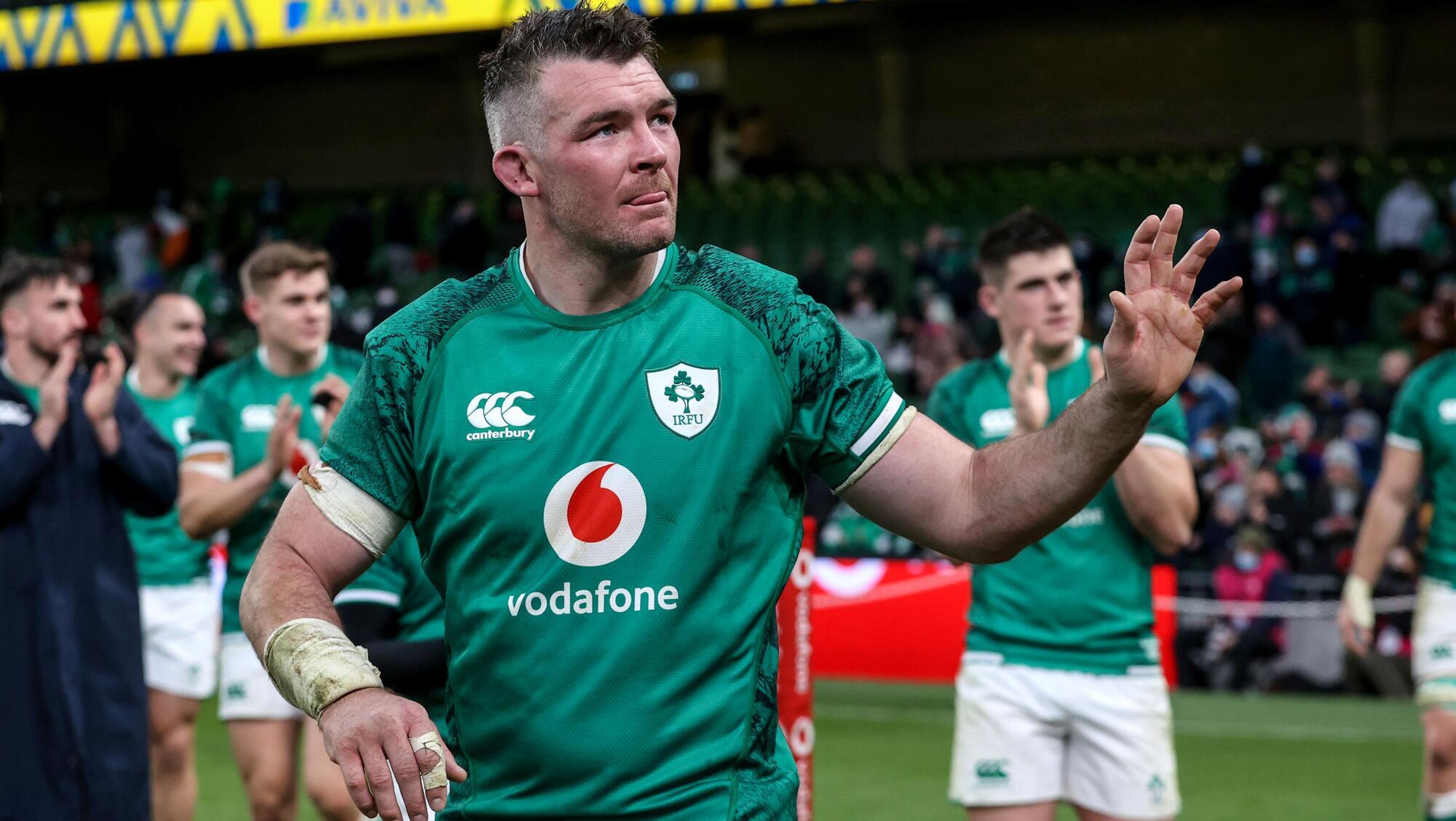
HAPPY DAYS: Ireland's Peter O'Mahony celebrates after Sunday's game.
It’s been a superb autumn series for Ireland and having lost the opening two games of the year — against Wales and France in last season’s Six Nations — an unbeaten run of eight games since then has catapulted Ireland into a great position.
Perhaps even more important than the achievement of winning eight tests in a row this year is the fact that Andy Farrell exposed 52 different players to the rigours of international rugby. If a return of three-from-three against Japan, New Zealand, and Argentina was pleasing, the manner in which it was achieved, with more emphasis on continuity, achieved with a new attacking shape, and less emphasis on kicking possession away, is even more satisfying.
Not in his wildest dreams could Farrell have contemplated a haul of 142 points and 19 tries from those three contests. Most pleasing of all was that the attacking template and patterns of play were adhered to, despite fielding only three of the back line that started against New Zealand.
Being able to introduce a new young half-back pairing of Craig Casey and Harry Byrne for the last half-hour of Sunday’s win over Argentina was another bonus, with both former U20 Grand Slam winners acquitting themselves well. Interesting too the decision by Farrell to leave Joey Carbery on the field, switching him to full-back, thus allowing him to build on the confidence he must have derived from an outstanding display up to that point. Having a second playmaker available to exploit the space on offer in the final quarter was crucial.
A first winless European tour since 2002 drops Australia down to sixth in the world rankings. It leaves Dave Rennie languishing on a 40% win rate after a tumultuous second year in charge. Michael Cheika finished with a 52% win rate, Ewen McKenzie 50% and Robbie Deans on 58%, the Sydney Morning Herald points out.
Said the Herald’s Georgina Robinson: “The defeat to England was an alarming step backwards for the Australian scrum and attack. But the Wallabies finished strongly in Cardiff a week later, showing with their performance that they are right behind Rennie and each other in a controversial close loss.
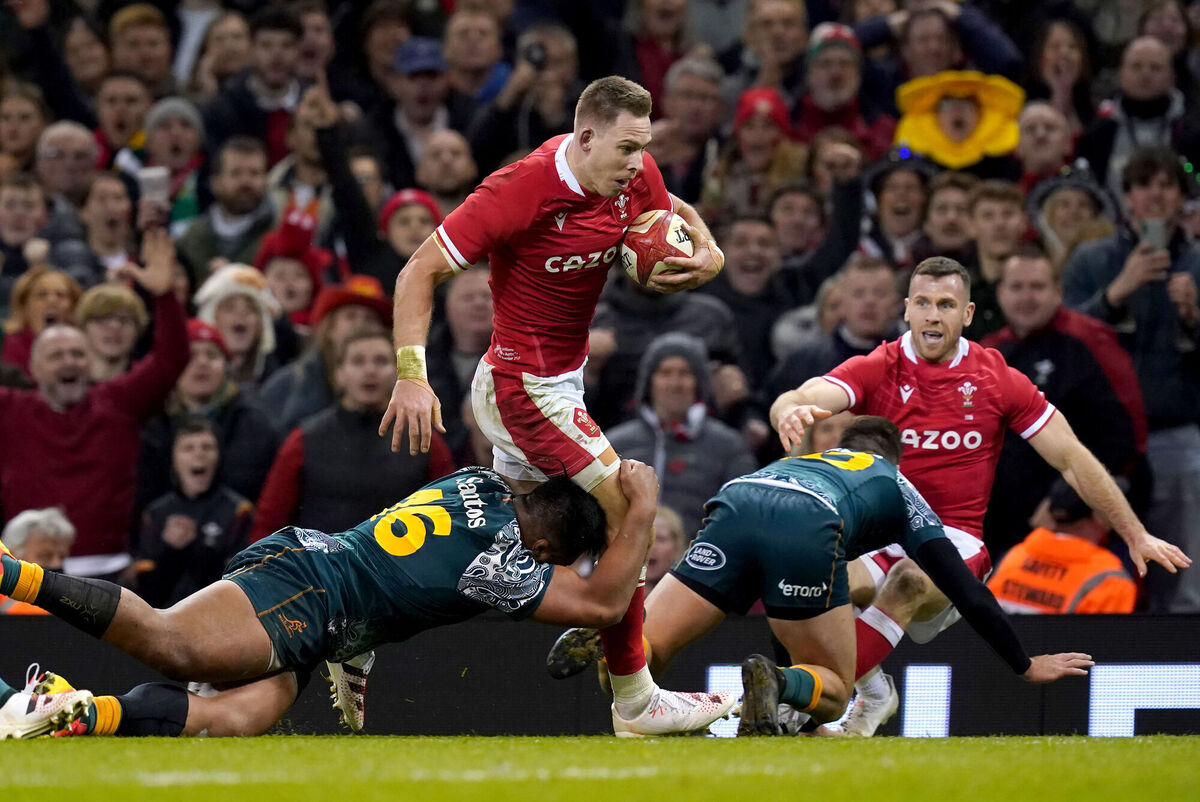
Rennie fumed over the officials’ decision-making in the last-gasp defeat to Wales. Despite being down to 14 men for most of the game, the Wallabies led at the final siren but were beaten when Wales were awarded an 82nd-minute penalty.
Adds Robinson: “There are some strong puzzle pieces on the table for Rennie and every indication he will be able to put them together. But stern tests await, including three Tests against England. With a World Cup less than two years away, Rennie will have to make tough decisions in 2023. The time for experiments is over.”
.
How much better can England become having cast off the tactical shackles that had slowed any progress under Eddie Jones to a crawl?
It has taken a while but fair play to Jones and his latest assembly line of assistant coaching boffins for finally taking the plunge and freeing up England to play with more purpose and attacking intent. If it was attitude and late resilience that underpinned their thrilling 27-26 victory over the world champions at Twickenham, it is the rising confidence behind the scrum that has been perhaps this autumn’s biggest upside.
Gone, thankfully, is the negative aerial obsession that characterised last winter, replaced by an infectious new mix of “S Club” heaven. Marcus Smith, Henry Slade and Freddie Steward have all been autumnal shooting stars, offering England skill, energy, fresh ideas and important new focal points. Don’t stop moving is also becoming their team’s new unofficial signature tune, as evidenced by the three well-taken tries that ultimately did for the usually impenetrable Boks.
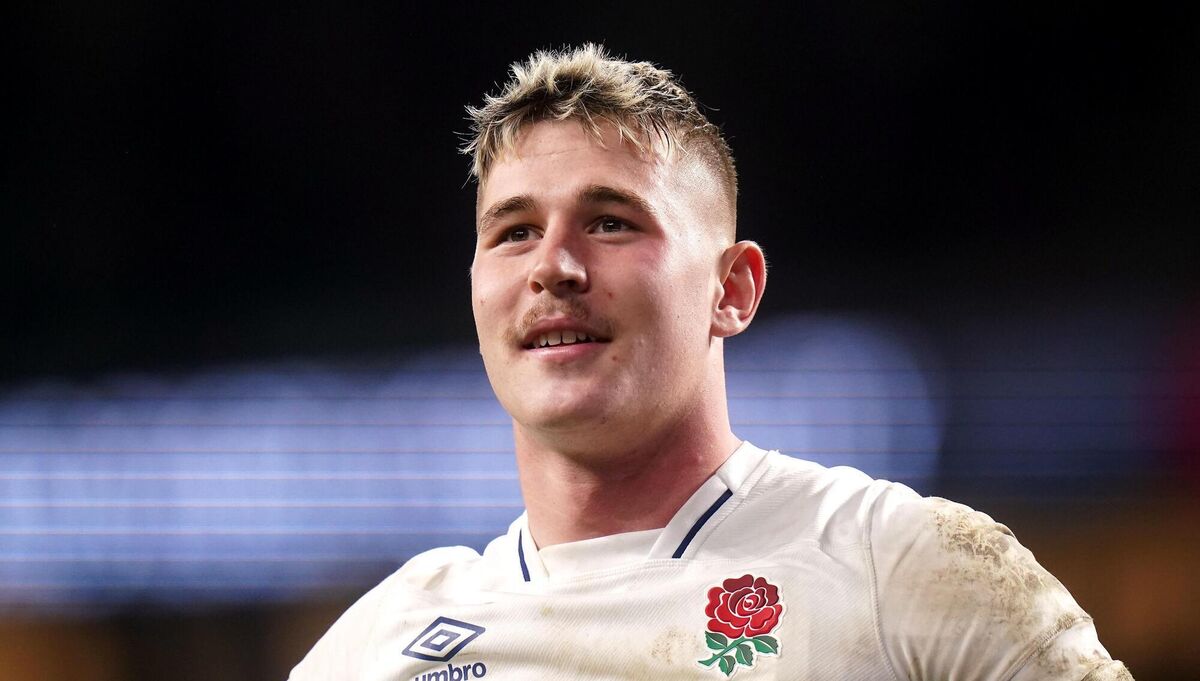
Add in the excellent Max Malins, Joe Marchant, Raffi Quirke and the underused Adam Radwan and there is pop-up danger, flexible thinking and creative pace to burn all over the place. Whether by accident or design – and the absence of Owen Farrell from two of the three autumn Tests cannot be omitted from the end-of-year ledger – Jones has found his best starting fly-half, centre and full-back for the foreseeable future. England appear visibly better balanced as a result.
At this point fans of England – who conceded only one try in three autumn games and have not lost when leading at half-time for two and a half years – will understandably be pressing the palms of both hands tightly together and praying Manu Tuilagi’s hamstrings can be soldered back together to allow him to rejoin the party. If the big man had spent more than eight minutes on the field on Saturday, the chances are the opposition would have enjoyed their fluctuating afternoon even less.
The Springboks may have ended the year as the No 1-ranked side in world rugby but have readily acknowledged they are not where they want to be as a team.
After missing out on international action in 2020, the Springboks finished this year with eight wins from 13 matches, with the narrow defeat to England last Saturday bringing an agonising end to what has been a bizarre season in many ways.
The Boks’ final battle of the Autumn Series was overshadowed by the double suspension handed down to director of rugby Rassie Erasmus, while the 27-26 defeat at Twickenham denied them the opportunity to complete their first unbeaten end-of-year tour since 2013.
In claiming back-to-back wins over Wales and Scotland at the start of the Autumn Series, the Boks again injected their ‘slow poison’ approach aimed at suffocating the life out of the opposition through sheer physicality, aggressive defence and a pressure-based kicking game.
It’s no frills, no fuss rugby that hasn’t won the Springboks a legion of new fans, particularly at a time when certain sectors of the rugby public feel as if Erasmus strayed offside by producing his now infamous officiating video that resulted in his hefty suspension.
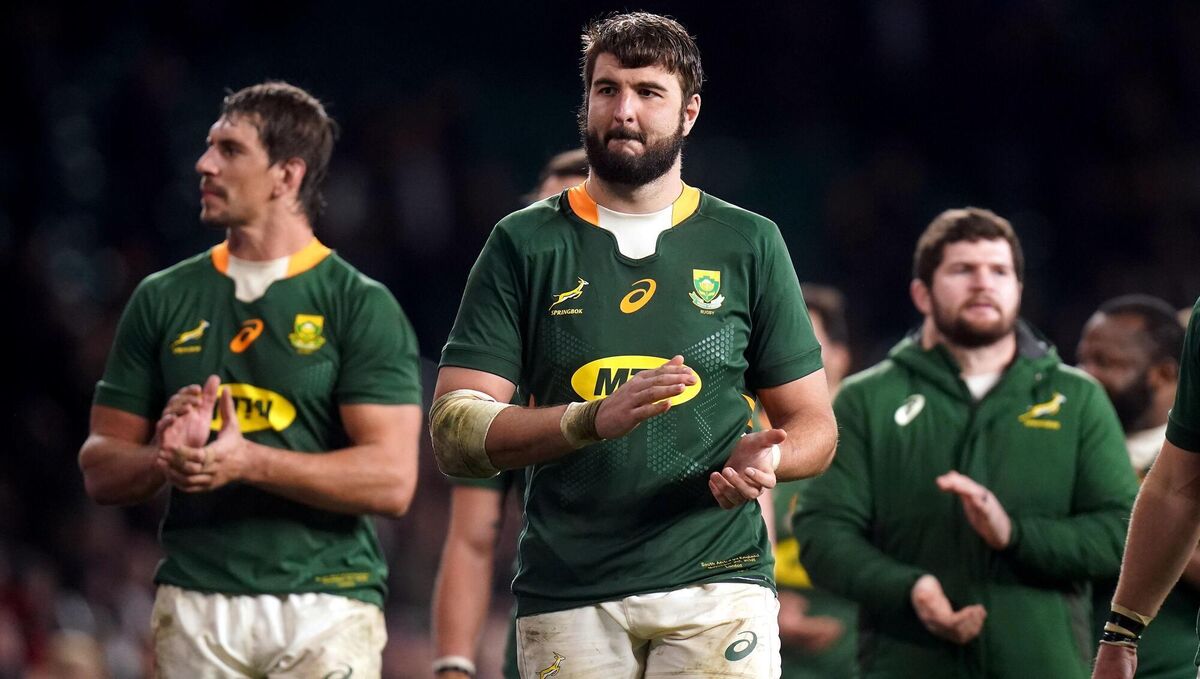
From the Springbok perspective, though, they’ve aimed to negotiate a year of unprecedented challenges by playing to their familiar strengths, and it was no different during the Autumn Series where they once again prioritised substance over style.
An injury to Damian Willemse deprived them of the opportunity to expand their depth at fullback, but the absence of Faf de Klerk ensured Cobus Reinach and Herschel Jantjies banked some much-needed meaningful game time.
The likes of Eben Etzebeth, Siya Kolisi, Makazole Mapimpi, Damian de Allende and Lukhanyo continued their sensational form, while talismanic prop Ox Nche underlined his status as the Boks’ breakthrough star of the season.
Officially the Boks remain the No 1 side in the world, but for a team that holds themselves to the highest standards, the Autumn Series served as a microcosm of a season that was solid rather than sensational.
It should be hard to argue with France’s three wins from three this November - especially if one was the blow-the-heavens-off 40-25 gloriousness of Saturday’s victory over New Zealand.
It was a first win against the All Blacks since 2009, a first on French soil since 2000, and the first in Paris - or as near as makes no odds - since 1973 … even if Galthie’s Bleus hadn’t already beaten Argentina 29-20 and Georgia 41-15, besting the three-time world champions would have earned a lot of forgiveness - and no little forgetfulness.
It was a coming-of-age for Antoine Dupont. On November 11, 2017, he made his international debut against New Zealand, opposite Aaron Smith. France lost 38-18, but Dupont’s potential then was clear. On Saturday, the 25-year-old scrum-half went a long way to proving the consensus that he had overtaken Smith as the best nine in the world. Romain Ntamack, restored to his favoured starting slot for the All Blacks’ game after two twin playmaker experiments outside Matthieu Jalibert, demonstrated who should partner Dupont for years to come. Jalibert - who played well enough in his two starts - could only watch from the ‘finishers’ bench as the pecking order was emphatically restored.
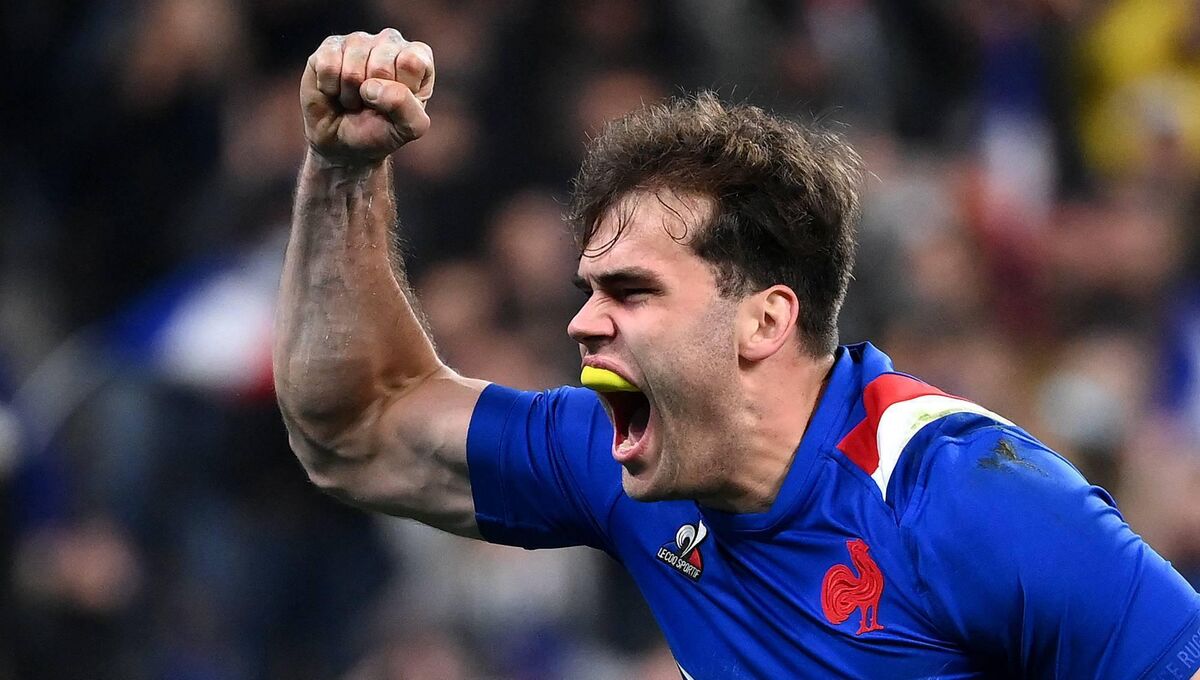
Cameron Woki shifted from backrow to second row and into the must-select section of Galthie’s squad book, while Melvyn Jaminet settled the fullback argument once and for all. And hooker Peato Mauvaka became a serious contender for Julien Marchand’s starting shirt.
But until the New Zealand game, the international period wasn’t brilliant for France. They were average for long periods against the Pumas and the Lelos - and failed to finish matches they should have won as comfortably as Ireland had, or England.
Behind the smiles, there’s recognition the work needs to continue. FFR President Bernard Laporte wants France to be one of three or four genuine contenders for the Webb Ellis trophy - something, he believes, they have never been before.
“Every once in a while, we went on a run and reached the final,” he said. “But to be true world champions, a team has to win regularly. This squad has 22 months left - starting with the Six Nations.” For once, then, the pressure won’t let up. For once, a win over New Zealand is just a stepping stone to something bigger. This France want more. The World Cup is the goal.
"If there is one particular thing to worry about, it is that this All Blacks side has lost its sense of identity”, wrote Gregor Paul in the New Zealand Herald. "They no longer look like they know whether they want to be a ruck and run team or dig in at the trenches and kick and chase. Their gameplan looks confused – an erratic mix of buzzing about behind the gainline and then kicking poorly under pressure.” Strong words and, not surprisingly, a theme picked up on by the keyboard brigade with 80% of All Black fans who responded to a Herald poll looking for coach Ian Foster’s head.
By coincidence the man many believe should replace Foster, Scott Roberston of the Crusaders, was facing media Monday as he announced his Super Rugby 2022 squad. His defensive skills were better than his compatriots in black.
“With the All Blacks stuff, I will leave my point of view private property. They are hurting at the moment, I have got my opinions on it, but it is probably not the right time to express them,” Robertson said. Pressed further and asked if he believed the All Blacks were heading in the right direction, he again played it down the middle. “Look, I observe like everyone else but I will hold my judgment on it.”
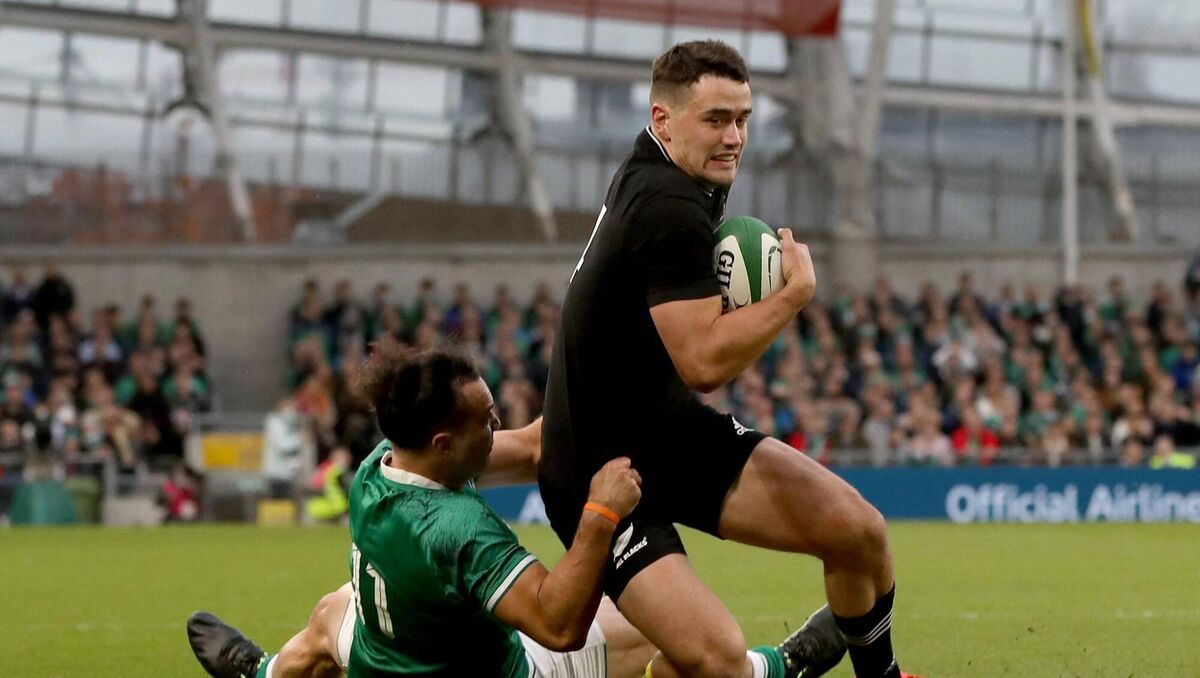
A defiant Foster reckoned there were a lot of positives on the tour and from the season as a whole (NZ rugby goes into its close season now): “I know that we get judged harshly, but if I reflect on the year, we’re making progress. We’ve got a good brace of players that we’re growing, but we’re also learning some tough lessons at the end of this long season.”
The detail don’t read well though. Not only were the three defeats this year the worst return since 2009, but the losses in Dublin and Paris were the first back-to-back defeats in the northern hemisphere in the professional era. The 40-25 loss to France is their second heaviest in a Test against a European team since they were beaten 38-21 by England in 2012. Foster pointed to 12 wins from 15 tests and a record 101 tries and 720 points but of the four key games, they lost three.
Three wins from four matches during the Autumn, including victory over an Australian side sitting four places higher in the world rankings at the start of the series, must count as a solid pass for Gregor Townsend’s Scotland side.
The coach used 36 players, including 12 new caps, over the course of the series. Depth has always been an issue for Scotland, and they now have at least two international standard candidates in every position for the first time in living memory.
Pierre Schoeman, the South African loose-head who has qualified through the three-year rule, was the stand-out of the new faces, and he will push last summer’s Lions tourist Rory Sutherland hard for the No1 jersey during the Six Nations. Sutherland missed this series with an abdominal injury.
Hooker Ewan Ashman, back-row Josh Bayliss and winger Rufus McLean also had moments when they suggested that they might be important players going forward. Meanwhile, the return from injury of Sutherland, hooker Fraser Brown, second-row Jonny Gray and centre Cam Redpath should reinforce the spine of the team.
However, progress is relative. Ireland, England and France all secured clean sweeps against similar or higher calibre opposition to Scotland. Even Wales recovered after their depleted side suffered an opening weekend mauling by New Zealand to run South Africa close then beat Fiji and Australia. All four of those sides will approach the 2022 Six Nations feeling that they have done just as much as the Scots, if not more, to grow depth and build cohesion.
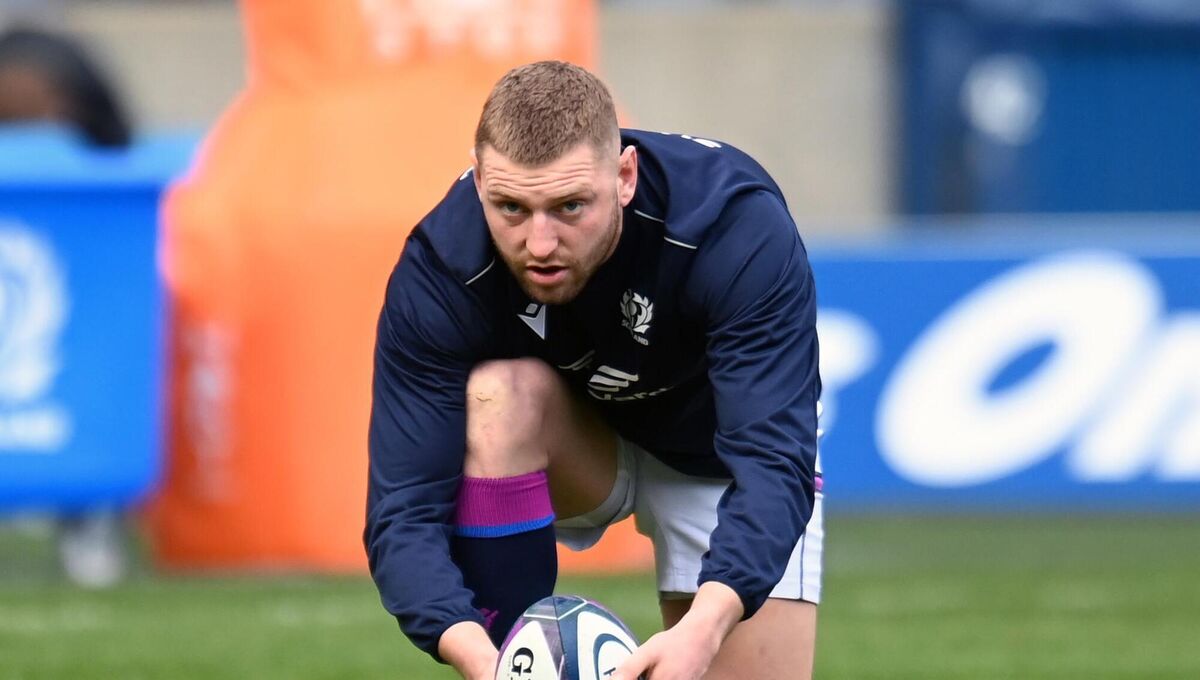
Perhaps the most pleasing aspect of this series from a Scottish perspective is that they did okay without really playing consistently well. The big concern is how badly they were bullied at set-piece and breakdown by South Africa.
Finn Russell’s relentless pursuit of miracles means that any opposition must be wary, but he still hasn’t worked out how to balance that with providing control from the No10 slot when needs must.
What a year it has been for Wales. Crowned Six Nations champions for a record equalling sixth time, they then lost a home series to Argentina, got walloped by the All Blacks, pipped by the Springboks and pushed by the Fijians.
Then salvation came in the form of a last kick of the game win over 14-man Australia. If that win papered over some cracks and was helped by a sixth red card in 12 games in their favour over 11 months, it came while they had 17 players on the sick list.
If they thought facing New Zealand, South Africa, Fiji and Australia was tough, then they should look at how the Six Nations schedule is going to challenge them. First up is Ireland in Dublin – a place they haven’t won in the championship since 2012. The resurgent Scots then head to Cardiff before they travel to Twickenham and then host France.

It is a brutal schedule, with Italy at home on ‘Super Saturday’. Those four games, complete with all the pressure that tournament rugby brings, will be even more demanding than the four they’ve just had, especially as the Irish and French have just beaten the All Blacks and England gained revenge over the Springboks for their World Cup final defeat.
If Wayne Pivac can get the likes of Taulupe Faletau, Josh Navidi, Justin Tipuric, Ross Moriarty, Ken Owens and George North back fit and firing then he will at least be able to lean on some more experienced players. Alun Wyn Jones, the most experienced of them all, looks to be gone for the season.
The scrum is an ongoing concern, the line-out has creaked and there is no great harmony or direction in the midfield. What there, though, is plenty of firepower out wide with Louis Rees-Zammit, Josh Adams and Liam Williams.
Dragons back rower Taine Basham was the find of the autumn, while the return to fitness of Cardiff openside Ellis Jenkins was a real bonus. He is all set to be Wales’ long-term skipper and, with a few more games under his belt, Gareth Anscombe will force himself back into the reckoning at No 10.
CONNECT WITH US TODAY



Be the first to know the latest news and updates