Ask the experts: Is Munster Rugby back on the front foot ahead of Champions Cup?
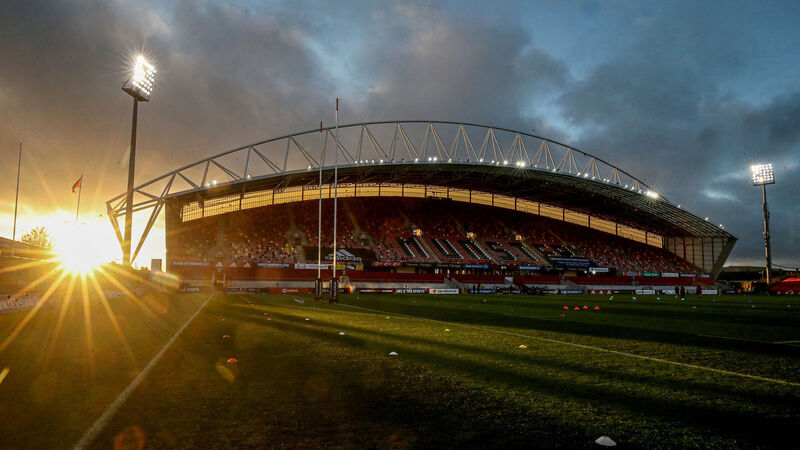
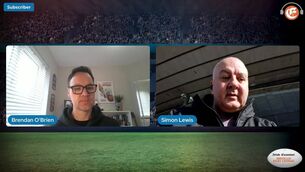
A general view of Thomond Park ahead of an October PRO14 game. Simon Lewis, Tom Savage, Donal Lenihan, Duncan Casey and Owen Harrisson assess where the province lie on the eve of their Champions Cup opener. Picture: INPHO/Dan Sheridan
With the flying start Johann van Graan’s squad has made to the Guinness PRO14 campaign, seven wins from seven, not securing the home play-off semi-final the South African has craved since his arrival three years ago would have to be seen as a major collapse.
That said, they could not have asked for better momentum heading into Europe this weekend and with only four pool games from which to qualify for the knockout stages, never has that been so important at the start of a Heineken Champions Cup campaign.
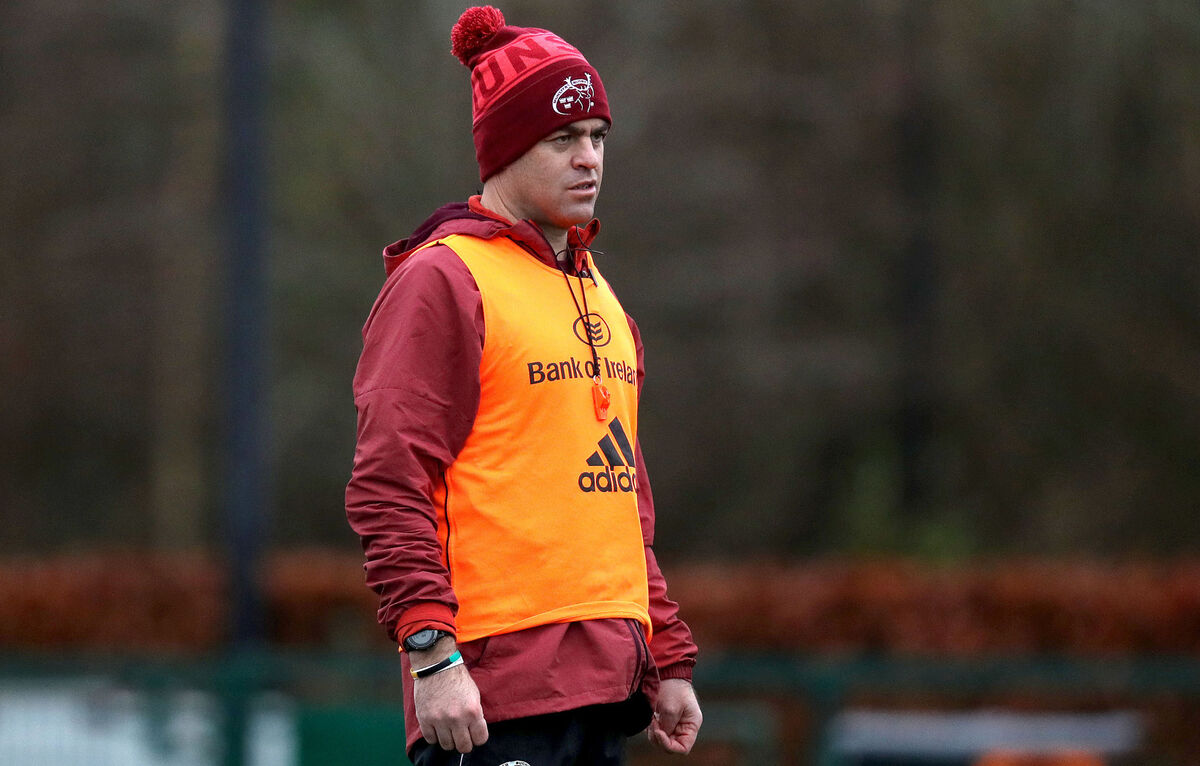
So too a home opener and though there are two tough away trips in the offing, to Clermont’s fortress Stade Marcel-Michelin next weekend, and Harlequins’ Stoop in the New Year, an eighth win a row tomorrow can provide ignition for lift-off.
Just as a fast start is more vital than ever, reaching the quarter-final and a guaranteed home leg will also be top of the must-do list, for CEO Ian Flanagan as much as van Graan and his players. With the coffers running dry in every rugby front office due to empty stadia, a home game on the first weekend in April with, fingers crossed, the supporters back at Thomond Park, will be a much-needed financial injection for Munster.
Munster are a few key forwards away from being an elite challenger at European level. This is a game of size and power and while Munster have some very promising young players who look like they can be the answer to that question, we’ve got to see it against the likes of Leinster, Clermont and Harlequins to be sure.
I think players like Coombes and Wycherley are very close to making that breakthrough but more will be needed - Hodnett’s Achilles injury was a sickener for him so close to Europe, Thomas Ahern looks like he could be a very special athlete and that’s before you start looking at talents like Josh Wycherley, Keynan Knox, Roman Salanoa and, further down the track, Scott Buckley, Alex Kendellan and others.
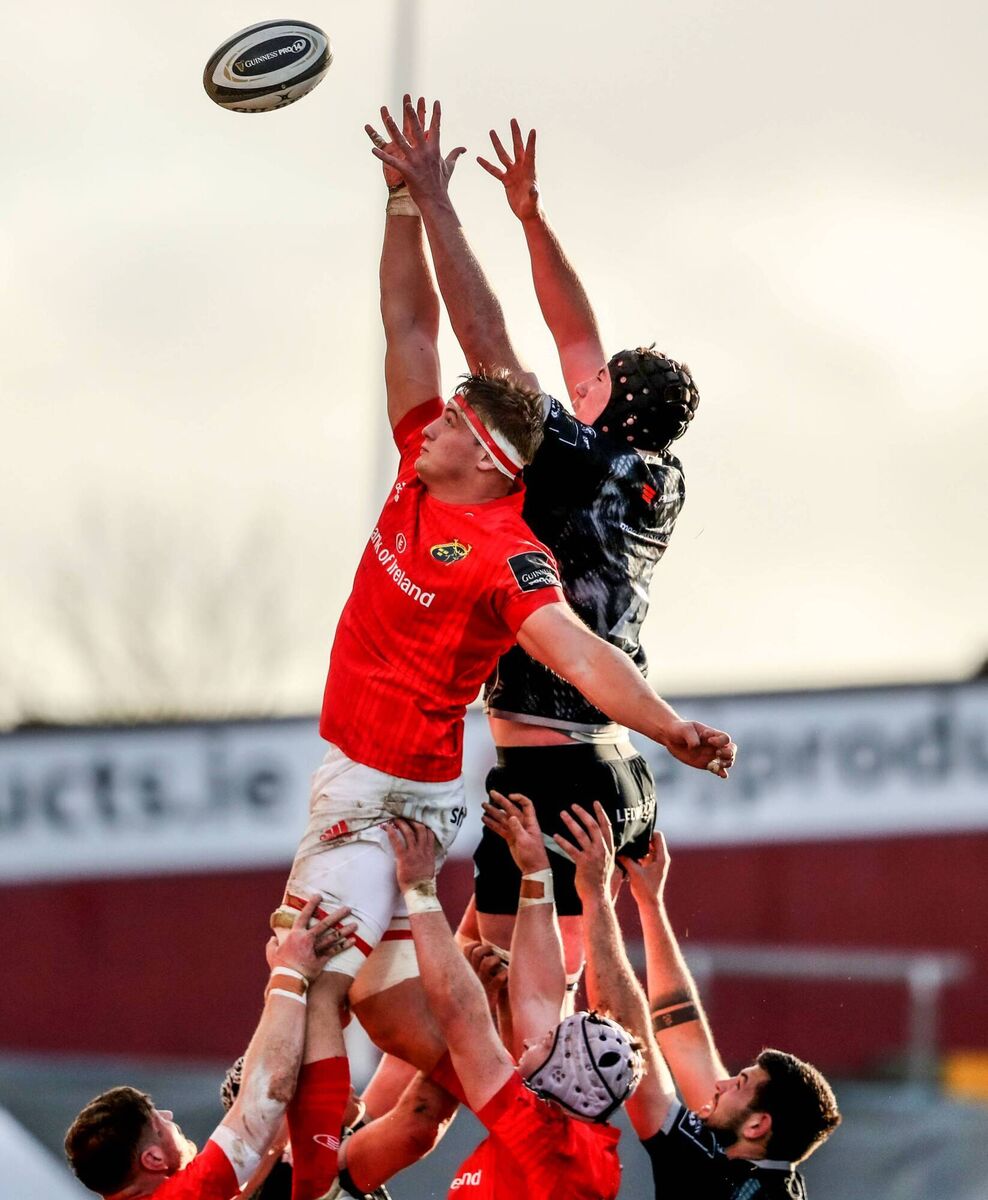
If Munster can bring through those young forwards and deliver on their potential, they’ll be very close. The future of half-back looks incredibly bright with Craig Casey, Ben Healy and Jack Crowley being standouts but it’s the pack that will decide Munster’s medium- and long-term level in Europe.
Much done with a lot more to be achieved before Munster can dine again at the top table. The lockdown period appears to have been used productively, on and off the field. On the evidence presented since the start of this season, it appears Graham Rowntree has had a positive impact on Munster’s scrum while their line out maul is back to where it was in the days of O’Connell, O’Callaghan and Hayes.
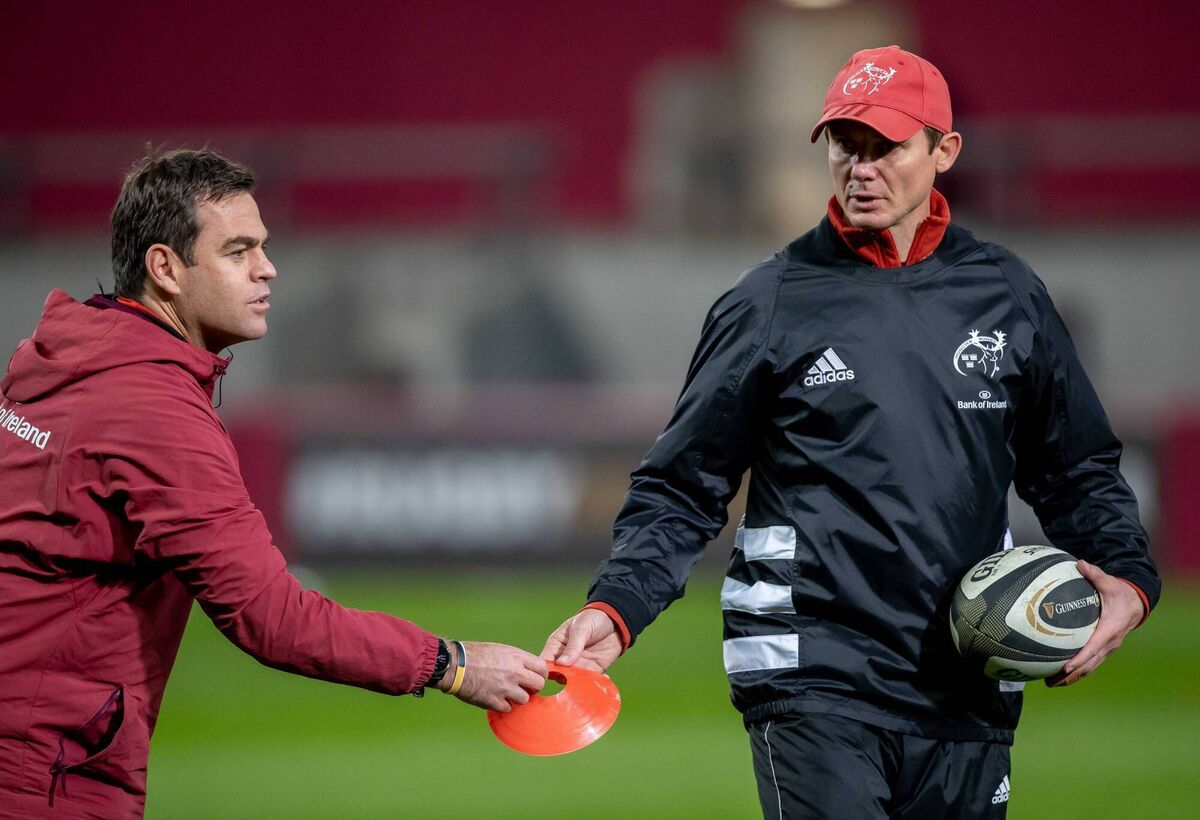
Stephen Larkham is now over a year into his tenure and his impact is more recognisable. It helps that he’s had so much time with the emerging players and it would appear that Craig Casey and Ben Healy have benefitted majorly from this. One hopes that the next layer in Jack Crowley, Liam Coombes and Sean French will reap similar rewards down the track.
Van Graan deserves a lot of credit for seizing this claustrophobic period and turning it into a positive. He has facilitated and encouraged a lot more integration between the academy, the emerging professionals like Gavin Coombes who has been sensational lately, and the senior players.
There is a new leadership group within the squad and everyone is benefiting. That’s there for all to see in the PRO14 games to date with the body language of the players exuding positivity.
Getting the mood and culture right in the dressing room is crucial to success. How many times do you scan through the squads available to some of the French clubs, Montpellier being a classic case in point, and wonder why they are so far down the league table.
Despite the depth of quality in any squad, the chemistry in the dressing room has to be right if you want to be successful. The Munster management appear to have the mix just right on that front and with more time to make the subtle technical and tactical adjustments, Munster look in a good place right now.
With Saracens no longer competing in the Champions Cup, a big obstacle to Munster’s ambitions in recent times has been removed. Time will tell if they are good enough to avail of that but the evidence suggests that the players and management are on the right track. That said, the next two weeks of Champions Cup pool action will tell us a lot.
I'm sure the vast majority of people would say Craig Casey. That's understandable, given how impressive he has been. But I don't think there's any doubt that Craig is going to play a large amount of rugby this year and get plenty of opportunities to grow into the number 9 jersey.
Others are not so sure of having that chance when the international boys come back. For that reason, I would focus on some others.
First is Thomas Ahern. We haven't seen much of Ahern in the first couple of months of the season and he only made his first start in red against Zebre due to a forced change on the day of the game. He is quite the specimen, standing at 6' 9”, but doesn't suffer with the lack of mass that affects many particularly tall European second rows.
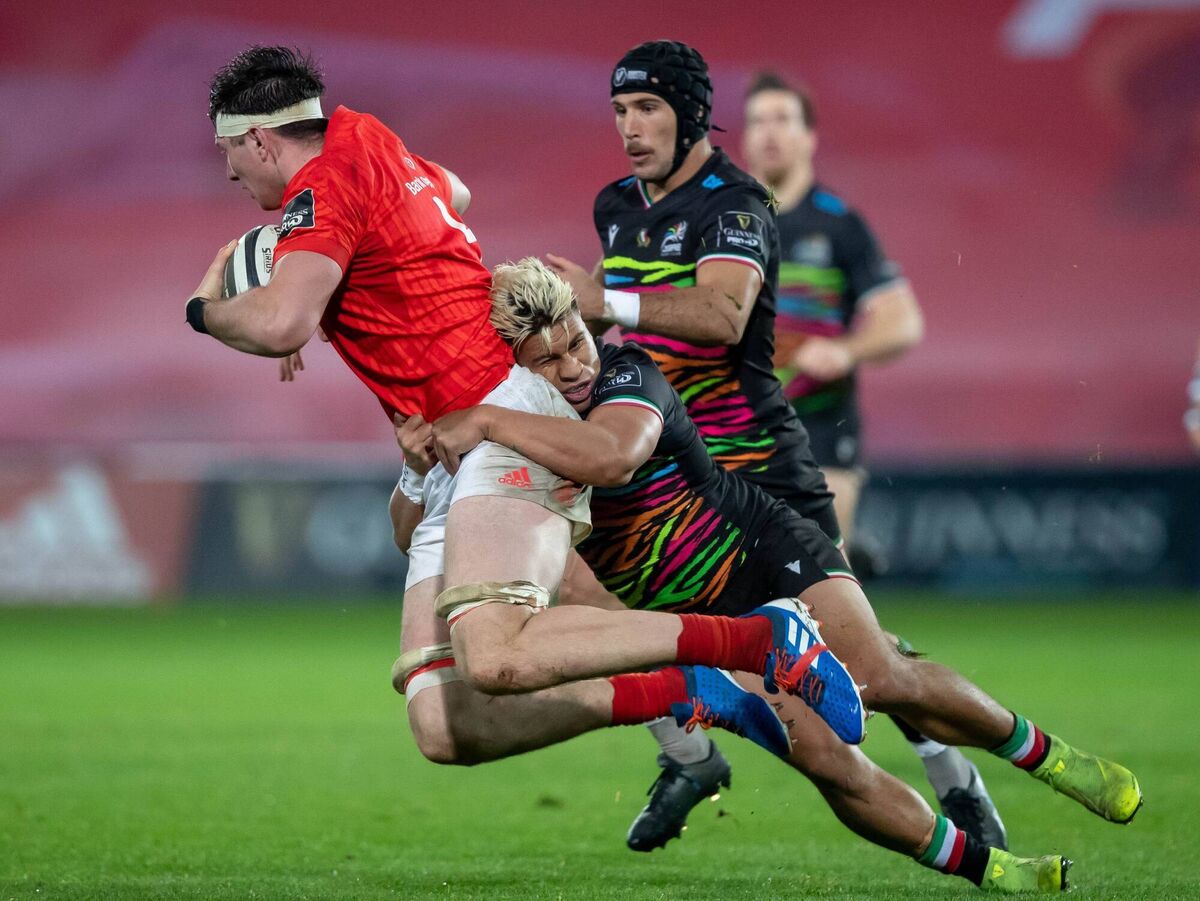
He is incredibly dynamic for such a big man - great in the air, very quick, and a terrific off-loader that you don't see too often in second rows. He reminds me of a young Richie Gray, who changed people's perception of what a second row can be expected to do with ball in hand when he broke onto the scene. Munster haven’t been producing second rows in the last few years at the rate they were previously.
In particular, there has been a glaring lack of lineout callers in the ranks. Billy Holland's contract is up at the end of this year and if he wants to continue, he will be afforded the opportunity to do so. Even at that, whenever Billy finishes up, there will be a huge hole in the lineout department at Munster.
This issue has not been helped by the fact that the second rows Munster have signed in recent years, while of a very high calibre (RG Snyman, Tadhg Beirne, Jean Kleyn), have not been natural lineout callers. Munster need to be proactive about fixing this and getting Thomas Ahern as much game time as possible this year is one way of doing it.
Additionally, John Hodnett has been excellent any time he has played.
Comparisons have been made with Sean O'Brien and I can understand why - he is aggressive, powerful and brilliant at playing the ball through contact. The backrow will always be the most crowded place for a youngster to try and muscle his way in, but both John and Gavin Coombes have shown enough promise to expect plenty of opportunity this year.
https://twitter.com/OverTheHillProp]@OverTheHillProp).
Munster’s historical identity was founded on the basis of players and fans, temporarily leaving aside club allegiances and uniting under a provincial banner.
However, professionalism, academy development of players and IRFU strategy have all combined to de-prioritise the club game to the point where now it plays a relatively minor role in the Irish rugby pathway, leaving Munster to be more of its own unique identity rather than the collective we have historically known.
In the noughties, the media focused on the wider social appeal of rugby in the province (especially in Limerick) and comparisons with GAA structures, along with on-field success helped to draw in the casual fans but the 2010’s saw the decline of the club game and the lack of on-field success for Munster occurred in parallel which created the question marks around the province's identity.
I also don’t buy the idea that because a team has always played a certain style that they should continue to play that style forever. You need to be able to tailor your game plan to match the attributes and skills of the team.
Playing a game tactically that doesn’t suit your players seems to be a pretty quick way for a coach to get his P45. On-field success is the be-all-and-end-all of professional sport and traditionalism generally takes a back seat.
For me ‘Stand Up and Fight’ works because it offers something unique to fans. Anyone can pump rock music into a stadium to try and create an atmosphere but it rarely works and they may have to play it again and again during the game itself to generate the false idea of excitement or atmosphere.
‘Stand Up and Fight’ took root in Munster through Brian O’Brien in the late 90s and was adopted by the players and later by the fans. It works because it’s organic and hasn’t been forced.
While the 2010’s may have led to people questioning Munster’s identity the rebirth of the connection between team and fan has its genesis in ‘Stand Up and Fight’.
It took Anthony Foley’s untimely death and the unforgettable match against Glasgow for that to happen and in the centre of the pitch at Thomond Park that afternoon we saw players and fans both celebrate and grieve and as one they sang ‘Stand Up and Fight’.
No ‘morketing guy’ can come up with that.
CONNECT WITH US TODAY



Be the first to know the latest news and updates