Recruitment of players who have doped will be case by case
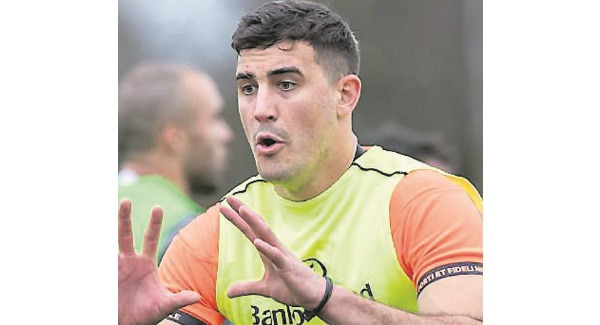
South African lock Grobler joined the province from Racing 92 where he had resumed his career following a two-year suspension after testing positive for a performance-enhancing drug in his home country. The 25-year-old has since signed for Gloucester after 11 appearances for Munster in his sole campaign in Ireland.
Injured in pre-season last August, Grobler was not available to Munster until the new year when his signing was questioned in the media. Both the province and the IRFU came in for criticism for recruiting a player who had served a doping ban. The governing bodyâs chief executive, Philip Browne, reiterated rugbyâs zero tolerance towards PEDs in its sport and promised a review of signing policies.
That was expected to produce a blanket ban but IRFU performance director David Nucifora said that was not the case.
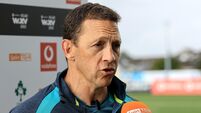
âWeâd look at it and weâd look at the individual case of whatâs happened,â Nucifora said in Sydney, where Ireland are preparing for their third and final Test against Australia on Saturday.
I think it wouldnât be smart to put a stamp and say âanyone who has had a doping conviction cannot play rugby hereâ. That wouldnât make any sense whatsoever, so I think moving forward, you continue to look at it on a case-by-case basis.
âThatâs the only way you can deal with those things because theyâre all different. A doping offence â yes, thatâs the title â but you look into the doping offence and there are myriad of different things that can lead to a doping offence. None of them are good, obviously, but they all have their own set of circumstances. Each one of those would need to be examined.â
Nucifora disputed the assertion that the Grobler issue had sullied rugbyâs reputation.
âI donât think it damaged the perception of rugby in Ireland. We are one of the leading countries in how we deal with doping and education around it. I donât think it damaged it at all.
âRugby itself and Irish rugby, particularly, put a lot of time and effort into education around it, so thereâs other sides to it too. As a young man, he made a mistake at the time. Do we rub him out and he never plays again? I think when you look into the circumstances and weigh up the individual, then you make a decision.
âNot everyone will agree with it, obviously, not everyone did, but thereâs also room to say âsome people do deserve a second shot.ââ
Whether the IRFU and Munster could have used Grobler as part of that anti-doping education programme for players was also debated, but Nucifora said the player had been overwhelmed by the negative reaction his signing had received in Ireland.
I think it just got overwhelming to the individual, to be honest, the reaction. He just made the decision that âI want to goâ. It wasnât really an issue for us after that.
The Grobler incident was one of the first things that crossed incoming Munster head coach Johann van Graan, who in November had replaced Rassie Erasmus, the director of rugby who had signed their fellow South African the previous summer.
Nucifora praised van Graan for the way he handled the general transition mid-season and guided Munster to the semi-finals of both the Champions Cup and Guinness PRO14.
âThereâs obviously a fair bit of movement, but thereâs still some good coaches out there, and Johann coming in to Munster halfway through, I donât know if people really appreciate how difficult that was to come in midstream and to try and keep the improvement going.
âI think he did a really good job in being able to do that. Heâs a very good coach and I think weâll see that in the coming seasons in where heâll take the team.â