Pat Lam has learned to apply carrot with stick
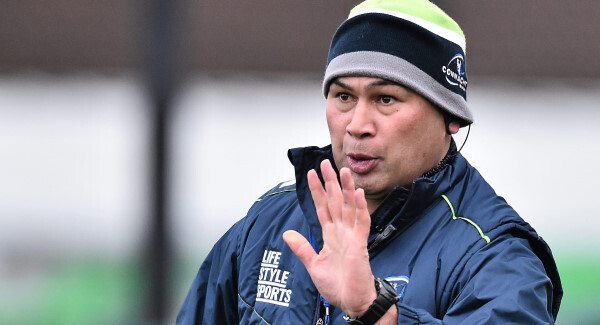
When asked, at the World Rugby Conference and Exhibition in London, about how he delivers feedback to players, Lam stated that chastising players has “a time and place” in coaching, but warned that it can’t always be the route taken when getting a point across.
“There is a place [for criticism], but the way I am with my players now, particularly the ones I’m coaching now in my fourth season, it’s totally different from my first six months.”
Certainly, the Samoan believes that a player should be reprimanded when appropriate, but a coach’s task lies in balancing that out with praise.
“Unless you have a relationship with your players, it’s very difficult to go up and down [in intensity]. I was a school teacher and you have to go up and down. You can’t be going like this (wags finger) all the time, because eventually players switch off. You can’t be nice all the time or else they’ll run all over you.”
Alongside the PRO12-winning coach at the conference was Ben Ryan, the man behind Fiji’s Olympic gold medal in the Men’s Sevens. He stripped down man management to its nuts and bolts.
“With Fiji, it was about keeping things simple. We used a traffic-light system. ‘How’re you feeling this morning? Green light.’ Then you start looking for information and find out the food was good last night or the player’s getting on well with his girlfriend.”
“If it’s red, then I go to the physio to get more information. It might be a physiological thing, or a bust-up with his wife. If it’s orange, the guy he’s sharing a room with is a guy who snores, so, he’s not getting enough sleep.”
Ryan believes the bigger picture is being ignored, as teams look to pump money into their high-performance analysis.
“The New York Knicks spent $10m on a software programme that analysed the players on the court. You can’t take a step that’s not analysed, so players are giving it their best. That’s not their problem. It’s having leaders on the court, which is a harder thing to measure.
“That’s where we’re taking away the technology, creating synergy and trying to get leaders.“