Hurlers help provide home comforts

The world must seem like one giant melting pot at times to Joe Schmidt as he monitors events simultaneously in several continents, but even he must have found it incongruous this week to find a native Argentinian teaching him how to play hurling.

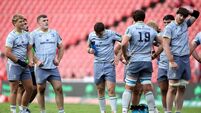
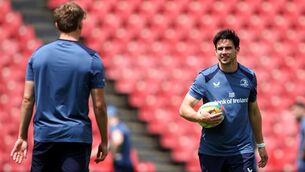
Hurling has a long and wonderful history in Argentina and the decision by the Ireland squad to stage their first full training session of the tour at the Buenos Aires Hurling Club ahead of Saturday’s opening clash with the Pumas was a special day for the club, with hundreds turning out to greet the squad and the Irish players and management equally generous with their time throughout the event.

Hurling is no longer played competitively in Buenos Aires but it lives on with weekly training sessions and matches amongst themselves. Last year they put a team together and travelled to Galway for the international hurling festival which was organised for The Gathering.

“That was a great boost for hurling here,” says Mick Connery, a native of Dunamaggin in Kilkenny, who moved here six years ago and made Buenos Aires his home. An electrician, he works as a foreman in an American school and he and his Argentinian wife, who he met in New Zealand, are expecting their first baby next month.

He and a few of the other native Irish organise hurling camps for the children and in a club of over 1,200 members where all teams — rugby, hockey and tennis — wear the shamrock as their crest, there is an endless supply of kids taking up the game and continuing a tradition started generations ago.

Back in the 1920s, there were 12 hurling teams battling it out in Buenos Aires.

The current trainer, Eduardo Cabrera, says hurling has been handed down from one generation to the other. “My grandfather was a goalkeeper and when I was in Croke Park last year I showed them a medal he had won.”

Hurling took off as more and more arrived from Ireland and America in the 1880s and the club’s initial base was in the city before they moved, ironically, to Hurlingham on the outskirts of the city in 1948. They even took the clubhouse apart and brought it with them.

By then hurling was in decline, hurleys were impossible to get during the war and by then the other sports had grown, especially rugby and hockey.

“Hurling is very important to us because of the tradition here in Argentina and in Ireland. It is just so unique,” added Connery.

A couple of GAA All Stars have visited them and a few Irish rugby clubs have also dropped by, but the visit by the Six Nations champions was special for the Hurling Club.

“It’s the first time an Irish rugby team has come here. We are really so grateful that they came to us. It really means a lot,” says Connery.

Belfast native Kieran Rooney, who runs his own hotel downtown, is travelling up to Resistencia in the Chaco province at the weekend — on a sleeper bus which will take 13 hours.

“It’s great to see them train and also to see them play. There would be a huge Irish following if the game was on in Buenos Aires but Chaco is at the other end of the country,” says Rooney.

Team captain Lucas Ruiz-Cagat wears his Mayo jersey with pride — it was given to him last year when they visited Foxford, the birthplace of William Brown who founded the Argentine navy. He is continuing the hurling tradition but the likes of Brian McGlinchey from Dublin only took up hurling when he arrived in Buenos Aires a decade ago.

He says it is never too late to learn — and that was one of the messages the Irish rugby squad picked up on their visit to a truly remarkable club.

More in this section

Sport

Newsletter

Sign up to our daily sports bulletin, delivered straight to your inbox at 5pm. Subscribers also receive an exclusive email from our sports desk editors every Friday evening looking forward to the weekend's sporting action.

Cookie Policy Privacy Policy Brand Safety FAQ Help Contact Us Terms and Conditions

© Examiner Echo Group Limited