O’Driscoll calls for change in attitudes to head injuries
O’Driscoll, a former Irish international and uncle of Brian, resigned from both the IRB and IRFU last year over their treatment of concussion and the introduction of the ‘five-minute rule’ which allows players suffering head injuries to return to play if they pass a brief sideline assessment.
While schools levels observe a rule whereby players suffering concussion are not allowed to play for three weeks, O’Driscoll believes the refusal to take head injuries seriously at professional level has a trickle-down effect.
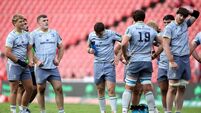
“The message that’s being sent out from the elite level is dreadful and it’s trivialising concussion because schoolboys see Brian in the French game last year and they think, ‘It’s not that bad, if he can get back in within five minutes it’s not really a that big a problem’,” he said.
The IRFU began a campaign to tackle the use of substances such as creatine among teenage players last week but O’Driscoll has called on the union to bring in more education and regulation in the area of concussions.
“Supplements you can get out of your system but brain damage you can’t,” he said.
And while he admits the use of supplements, particularly those bought online, are worthy of scrutiny he feels the risks of concussion and second impact syndrome – which a coroner ruled was the cause of 14-year-old Ben Robinson’s death after he collapsed during a game in Antrim this summer — are of more concern for young players.
He called for players to be educated and protected from the “warrior instinct” that kicks in when they play.
“They wear [concussion] as a badge of honour and if you have one and you don’t come off that’s even a bigger badge of honour so we must get through to the players how serious this is and that it’s not a stigma to come off, you’re doing the right thing,” he said. “You don’t say stop rugby but you do say stop the second impact from happening.”
Second impact syndrome is rare, Robinson is the only recorded case in the UK, but O’Driscoll says repeated concussions pose many risks for players later in life.
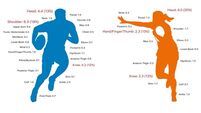
Evidence suggests the long-term effects of the types of head injuries, which are becoming more common in junior rugby due to players’ physiques, include depression and the early onset dementia.
Recent research shows rugby is second only to ice hockey for incidences of concussion, above American football whose leading body the NFL paid out €560m over concussion-related injuries to former players recently.
“This is a crisis call and it’s got to be started in the school,” O’Driscoll said.
“We have to take extra care at schoolboy level because they’ve got maybe 15 years rugby ahead of them. If you look at having 15 years more of impact and see the evidence that’s pouring out now about depression, personality changes, suicide and dementia.
“That evidence is building all the time so we’ve got to take care of these youngsters.”

CONNECT WITH US TODAY



Be the first to know the latest news and updates