Players to get ranking protection by WTA Tour should they freeze eggs or embryos
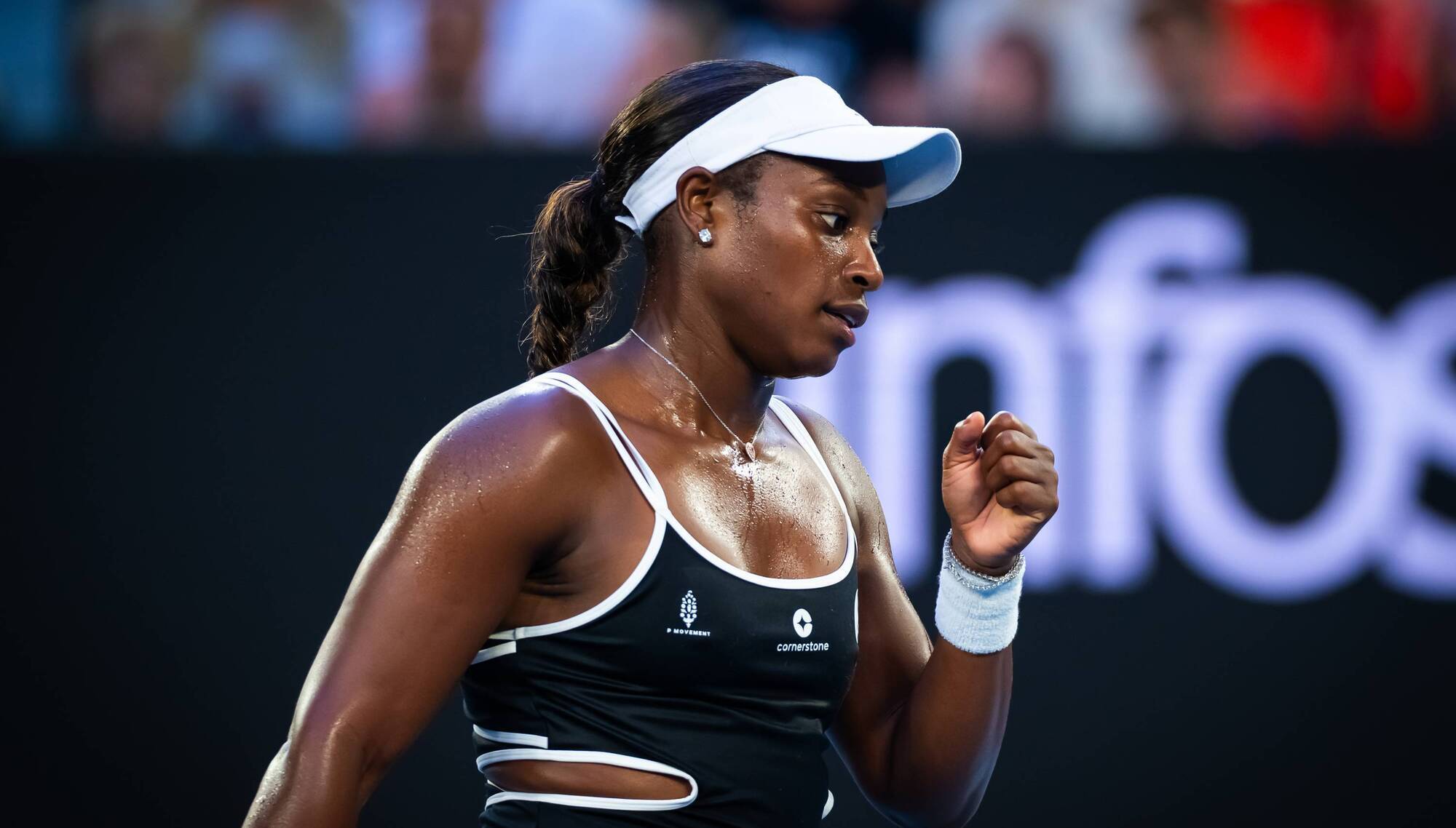
"Having the protected ranking there, so that players don't feel forced to come back early and risk their health again, is the best thing possible," Sloane Stephens told BBC Sport.
Players to get ranking protection by WTA Tour should they freeze eggs or embryos

Sloane Stephens said that she believes the rule will reduce the pressure on players to return to the court too quickly. Picture: Robert Prange/Getty Images

Female tennis players will have their ranking protected by the WTA Tour should they decide to freeze eggs or embryos in order to start a family at a later date, it has been confirmed.

Any player ranked in the world's top 750, who spends more than 10 weeks out of competition, will be able to avail of this new initiative.


Speaking to BBC Sport, Sloane Stephens said that she believes the rule will reduce the pressure on players to return to the court too quickly.

The 2017 US Open champion, who has won eight WTA tournaments, admitted that she has previously used the off-season to freeze her eggs on two occassions.

"The first time I did it, I rushed back and I was overweight and not happy - and just very stressed out," said the 32-year-old.

"The second time I did it I took a totally different approach so I could just be in better shape: I could have the surgery, I could have more time to recover.

"So having the protected ranking there, so that players don't feel forced to come back early and risk their health again, is the best thing possible."

This new measure will now ensure that the female athletes who decide to undergo fertility treatment will be able to use their special ranking, which will be an average of a player's ranking over a 12-week period before and during their leave, to enter up to three tournaments within 10 weeks of their return.

But it has also been confirmed that players will not be allowed to use this ranking to enter one of the WTA's premier 1000 events, as the tour prefers players to undertake this procedure at a quieter time of the season.

"It's all trial and error, everyone's body is different," added Stephens.

"Someone might be out for three months, someone might be out for one week.

"Some people gain a tonne of weight, some people can go back immediately. I think when you are family planning, it's better if you have that support.

"It was very much at the instigation of the players.

"We want to really help players address this conundrum where peak athletic performance coincides with the time period of peak fertility, so players are often faced with this tough choice of how to really maximise and optimise those years."

x

More in this section

Sport

Newsletter

Latest news from the world of sport, along with the best in opinion from our outstanding team of sports writers. and reporters

Cookie Policy Privacy Policy Brand Safety FAQ Help Contact Us Terms and Conditions

© Examiner Echo Group Limited