More derelict site levies written off than paid as Cork City Council waives €3.7m
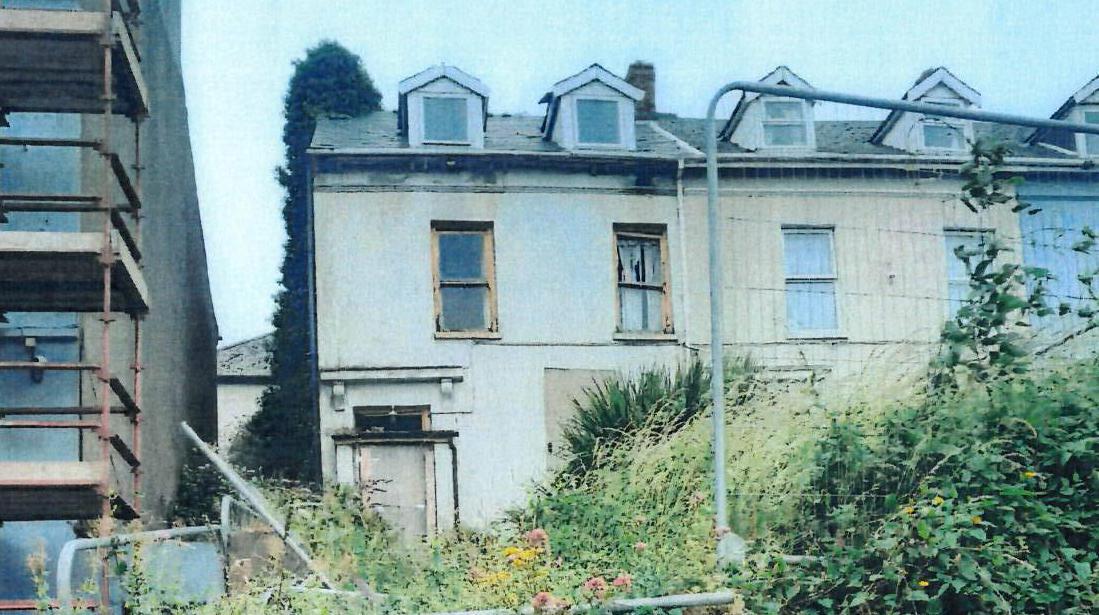
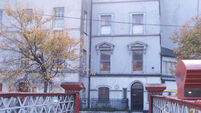
A total of €3.67m has been written off since 2016, relating to 99 sites, with 85 of these write-offs occurring since 2022. File picture
Cork City Council has written off €3.7m in derelict site levies in the last decade for nearly 100 sites, more than the amount that has been paid.
From 2016 to 2025, almost €12m in levies was invoiced by the council across 651 sites.
Of these, just 27%, or €3.25m, has been paid by the owners of the sites, although payment rates have increased in recent years.
Almost the same amount (30%) of the total amount invoiced has been written off, while just under half (€5m) remains outstanding.
Read More
A total of €3.67m has been written off since 2016, relating to 99 sites, with 85 of these write-offs occurring since 2022.
Cork City Council’s director of planning and integrated development Niall Ó Donnobháin provided the data to Sinn Féin councillor Kenneth Collins, and explained levying sites did not in itself remove dereliction, and the council’s derelicts sites team also engaged with owners to help bring properties back into use.
Of the total properties on the register currently, 87% of owners are engaging with council officials, or the property has been acquired by the local authority.
In the case of the remaining 13% who are not engaging, compulsory acquisition is being considered to resolve the problem.
“Owners of derelict properties who make contact and undertake works in a prompt manner qualify for a write-off of forward charged levies, provided works are completed in a timely manner,” Mr Ó Donnobháin said.
“This is backdated to the point meaningful works commenced, in recognition of the effort and related costs and to incentivise owners to speed up commencement of a return to use.
“Other actions likely to lead to a removal of dereliction, like seeking and obtaining planning permission, application and award of a vacant homes or other grant/tax incentive and, in some instances a commencement of a sale, can be considered as activity towards a removal of dereliction.”
Of the total write-offs implemented since 2016, 79% were due to dereliction being removed by the property owner or the property being acquired by council.
Of the remainder, 8% were because a grant was given to owners to remove the dereliction, or because the property was later found to be occupied and levies not applicable, while 5% were written off to assist a sale, and 8% were deemed “uncollectable”.
In the past decade, there has been a 203% increase in the number of sites invoiced for levies, a 1,533% increase in the value of invoices, and this year is the highest income year to date, with €925,016 in levies paid to the council.
“Despite the complexity of addressing dereliction, nearly 600 properties in Cork City have been returned to use since 2023 — with half of those returned to use last year alone,” Mr Ó Donnobháin said.
“The number of properties returning to use has shifted from dozens to hundreds per year — increasing from 57 in 2023, to 231 in 2024, and to 301 last year."

CONNECT WITH US TODAY



Be the first to know the latest news and updates