Sports Books 2024: A sporting life isn't measured in money
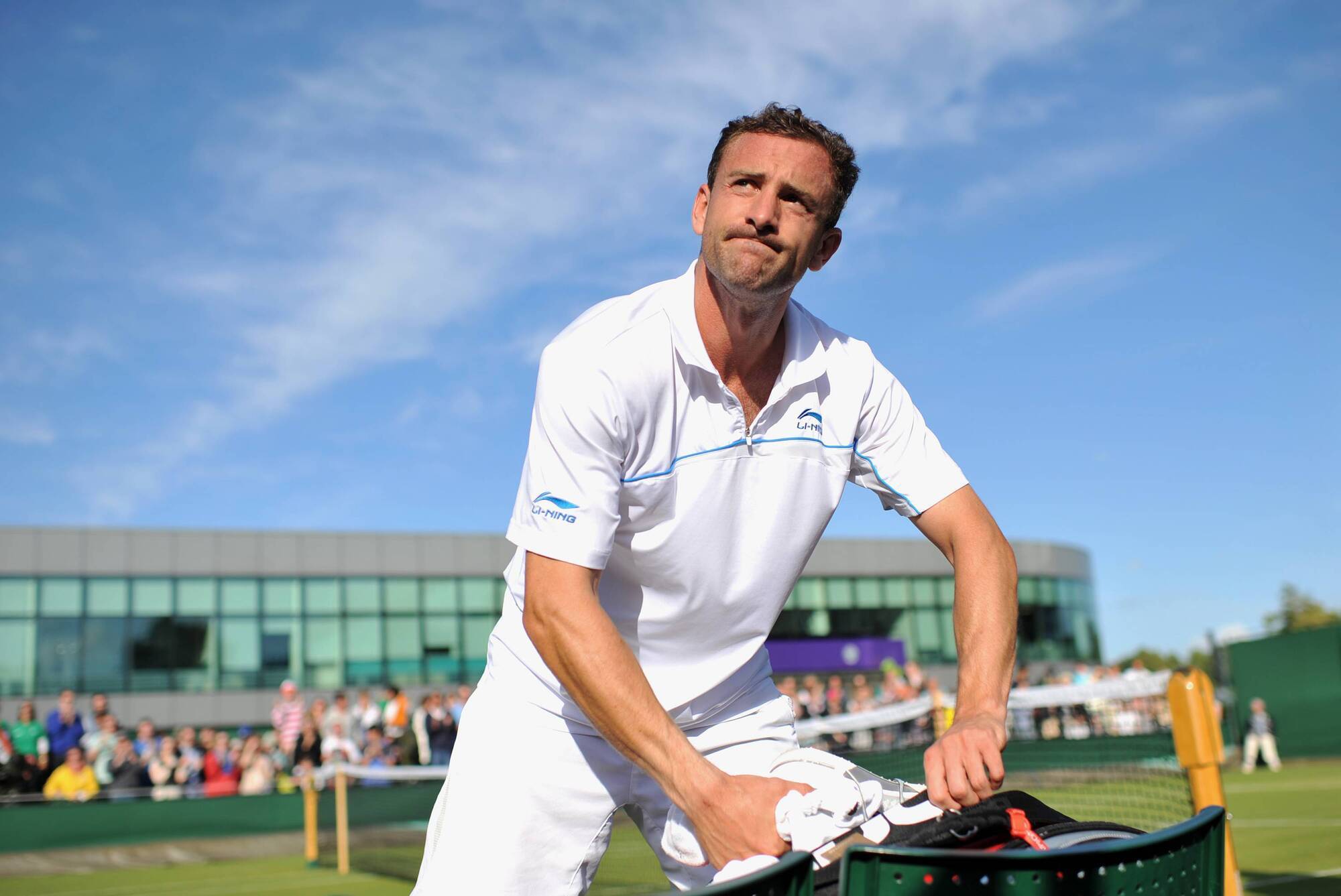
THEM'S THE BREAKS: Ireland's Conor Niland rueful after losing to Adrian Mannarino at Wimbledon in 2011. Photo: BEN STANSALL/AFP via Getty Images
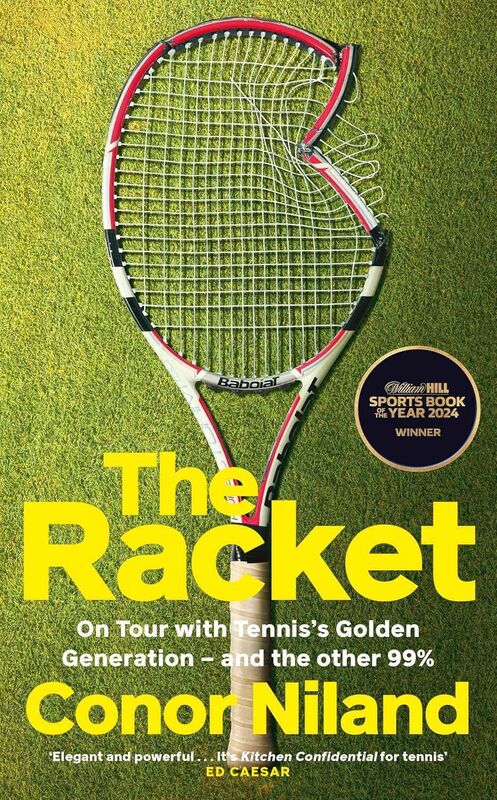
Conor Niland – ably abetted by Gavin Cooney on ghost-writing duty – became only the third Irish person after Paul Kimmage (1990) and the Belfast-born boxing journalist Paul D. Gibson (2018) to win the prestigious William Hill Sports Book of the Year award, which he picked up last month for his brilliant memoir about a journeyman career as a tennis professional.
A lot of sports books come back to stories about fathers and their sons. Niland’s is no different. The “Tennis Dad” moniker could be made for Niland’s father. He was a doctor who played inter-county Gaelic football for Mayo. He drove on Niland – whose older sister was also an Irish tennis star – from an early age.
In a book brim-full with humour, Niland recalls being pulled aside by him when he was 10 years of age for a motivational talk. His father felt he was slacking. Trying to rouse him, his dad said: “If you go and really commit to tennis for three years, you have a great chance of making it.”
It goes without saying that three years is an eternity for a 10-year-old boy.
Niland’s mother was also no-nonsense when it came to his career. What comes screaming from the pages of The Racket is that it’s near impossible to make it as an elite tennis player without parents committed to driving their child forward, and in a lot of cases providing financial support.
Niland – who has a good claim to be Ireland’s greatest ever tennis player; he beat Roger Federer as a youth player 7-5, 6-2 – made career earnings of $247,686 over a seven-year career. It’s hard to imagine it covered even his expenses – including flights, accommodation and coaching – not to mind tax and paying rent or a mortgage.
But some things aren’t measured in money. When Niland qualified for the main tournament at Wimbledon in 2010, his mother learned of the news by the look on her husband’s face while talking on the phone to Niland’s brother who was reporting from courtside at Niland’s match. She said she had never seen that look on his face before, and that it will stay with her for the rest of her life.
Jimmy Burns is an award-winning author and journalist. His football books include Barça: A People’s Passion and Hand of God: The Life of Diego Maradona, one of the great sporting biographies. He’s known amongst football fans for his rigorous research and the wry humour and lightness of touch to his prose.
His latest book is a personal history of the English Premier League. It’s a joy to read, particularly given his strength at making often complex political and business themes accessible and his keen anthropologist’s eye. He loves nothing more than getting in amongst the fans on the terraces, and discussing football with his cohorts, from Jorge Valdano to Simon Kuper, bringing to life their obsessions. His writing on hooliganism is enthralling. As he says himself, football “opens a window into humanity”.
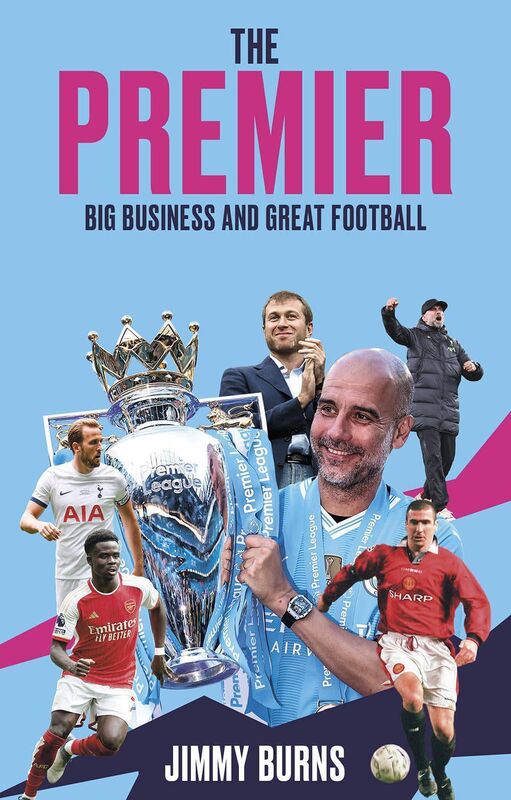
In The Premier, Burns examines all the big themes and dramas from the greatest sports soap opera of our age – from Manchester City’s alleged financial irregularities to the “Wagatha Christie” trial. He also pens vivid portraits of its larger-than-life characters, including Liverpool’s shaman Jürgen Klopp, David Beckham and Harry Kane, to the men in the boardroom like Roman Abramovich’s predecessor at Chelsea, Ken Bates, who bought the London club in 1982 for £1 and put up electric fencing shortly afterwards at Stamford Bridge to pen in his zealous fans.
A couple of years after Anthony Foley died, Johnny Sexton sent an Irish jersey from Paris, where Foley had passed away, to Foley’s bereaved family. In his letter, Sexton recounted three stories. The last one was about the look on Foley’s son’s face when he saw the Leinster squad at their dad’s funeral in Killaloe, Co Clare. Leinster players were in a line as the hearse came up the street. When young Tony got out, he tapped his younger brother on the shoulder and pointed at the Leinster players. By the look in his eyes, he seemed to be saying, “That’s the enemy.” For Axel, Leinster was the eternal enemy.
Sexton’s ongoing rivalry – and later reconciliation, which grew into friendship – with Munster’s Ronan O’Gara is worth the price of admission at the turnstiles alone. All the ups, including two Grand Slams, successful Lions tours, Heineken Cup wins, and the lows, most notably the four perplexing World Cup failures, are there.
What elevates the book, though, is his unvarnished writing about the mental struggles he endured during his career, including revelations about his concussion problems and how personal issues impacted his career, for example, how his parents’ divorce hastened his mid-career move to France. It suited him to be away. Obsessed, which won this year’s An Post Sports Book of the Year award, is an autobiography to be inhaled.
Bill Eldrich was a legendary cricketer in wartime Britain. He was also a crack fighter pilot for the RAF. On the morning of 7 June, 1941, he left his base before it was light. His mission was to find a German ship in the North Sea that was damaged and limping back to port. He tracked it down, and as the ship’s guns started firing on his plane, he got it in his sights and pressed the bomb release button, sinking the ship. When he got back to land, he treated himself to some champagne in the mess with his crew. Later that afternoon, he played in a cricket match between his village and a neighbouring one. He could do no wrong, including making the decisive catch that ended the opposition team’s innings.
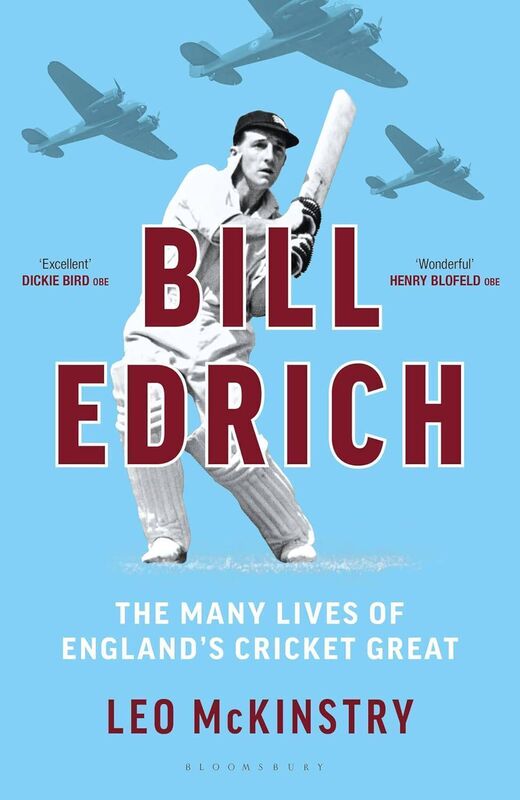
While having some drinks in the pub afterwards, the local vicar invited him for dinner with some other guests. At the table, a very attractive young lady, who he discovered was the vicar’s daughter, was enchanted with his exploits. After the dinner party broke up, the vicar escorted Eldrich to his car. Unfortunately, it wouldn’t start so the vicar insisted he stay the night as his guest in a spare room. As he was about to get into bed, just before midnight, Eldrich reflected on what a terrific day he’d had when he heard a gentle knock on the door. When he answered it, in came the vicar’s daughter. Years later, when Eldrich’s friend, Denis Compton, a fellow English cricket star, was asked if the story was true, he replied in the affirmative except for one falsehood – that the car wouldn’t start; Eldrich never tried the ignition.
The raw ingredients of Eldrich’s life story are the stuff of Boy’s Own: England test cricketer, including titanic struggles with Don Bradman and playing with England’s famous 1953 Ashes team; footballer with Tottenham Hotspur and Norwich City; decorated pilot in the Second World War; bon vivant, sometimes arriving at Test matches straight after a night out; and a notorious philander who was married five times. Leo McKinstry brings these elements to life – as well as some dark corners – in a rollercoaster biography.
Ned Boulting is the voice of cycling in the UK, as he covers the Tour de France on television for ITV. He’s a veteran reporter of the race going back to 2003. He’s also the author of several non-fiction books. His latest book, which is out in paperback, won the Cycling Book of the Year at this year’s Sports Book of the Year awards in the UK. It’s a beguiling mystery.
In late 2020, during the depths of the Covid pandemic, Boulting chanced buying a box of Pathé newsreel from the 1923 Tour de France in a London auction house for £120. The footage, which is preserved in highly flammable material, lasted only a few minutes long, but its threads, the details of various characters caught on camera, once pulled at, unspool into unimaginable personal dramas, including the grisly end to the life of Henri Pélissier, that year’s Tour de France winner.
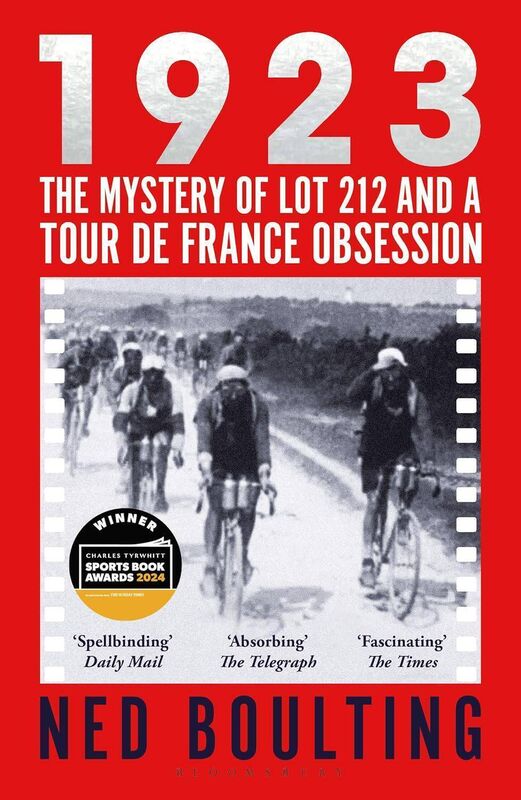
Boulting’s book is an enchanting history of cycling, and of the greatest race on earth. The Tour de France a century ago was even more gruelling than today – the race went on for a month; stages were often over 400km long so cyclists had to set off at two o’clock in the morning. It seems performance enhancing drugs were mandatory. What marks out Boulting’s book, however, is his writing style. Sports books can often be turgid, or boring, a sin that could never be levelled at Boulting, whose lucid prose drags the reader along effortlessly with his obsession.
David Peace is unrivalled for crafting novels about British football’s great characters, including a book about Bill Shankly and the magisterial about Brian Clough’s doomed 44-day reign at Leeds United. His latest work tells the tragic story of the Munich Air Disaster which killed eight of Manchester United’s vaunted “Busby Babes” team, including their star player, the 21-year-old Duncan Edwards, in February 1958.
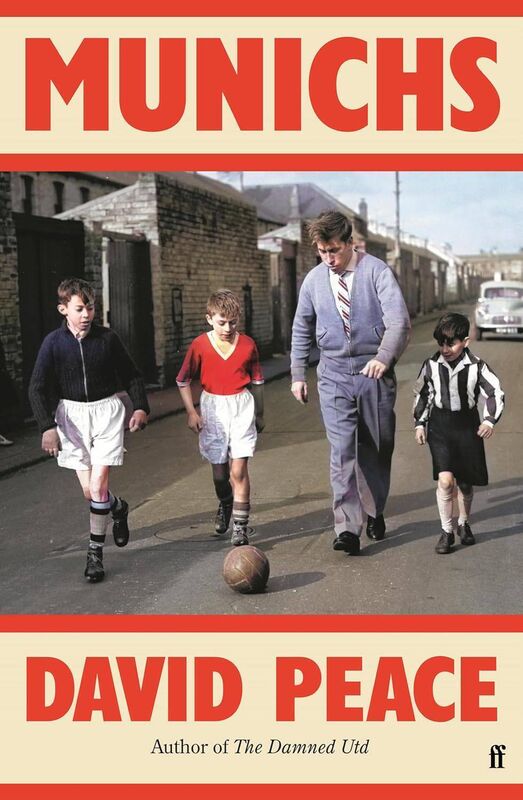
The key is in the title, Munichs, as Peace spreads the narrative across the 44 people on board the plane which crashed on its third take-off attempt after skidding on a slushy runway. The book builds slowly, reminiscent of Jon McGregor’s novel Reservoir 13, in how it stitches together a whole world – working-class Manchester in the 1950s – and the lives of dozens of characters.
There are stages of Munichs that bring the reader close to tears, a rare feeling perhaps for sports book fans, particularly the passage on Liam Whelan from Cabra on Dublin’s northside. It is lightened, too, by comic moments – Cissie Charlton, mother of Jack and Bobby, one of the survivors, is portrayed as a memorably rambunctious lady – and the narrative is propelled forward by United’s improbable march towards that season’s FA Cup final with a makeshift team.
Enzo Ferrari, known to everyone in the Formula One industry as Il Comandante, once claimed he didn’t like attending F1 races because he couldn’t bear to watch his cars suffer. Pity about him. F1 has left a lot of blood on the tracks since its inauguration in 1950, particularly in its early years. In 1957, in an open-road endurance race known as the Mille Miglia, a Spanish F1 driver Alfonso de Portago was killed after Ferrari insisted he drive the race. His crash killed another driver and up to 10 spectators, including five children.
Ferrari is one of the many characters brought to life in The Formula, an entertaining and insightful history of F1 by the writing duo, Joshua Robinson and Jonathan Clegg, two Wall Street Journal reporters who’ve previously written football books together on the rivalry between Lionel Messi and Cristiano Ronaldo and The League, a wonderful origin story about the English Premier League.
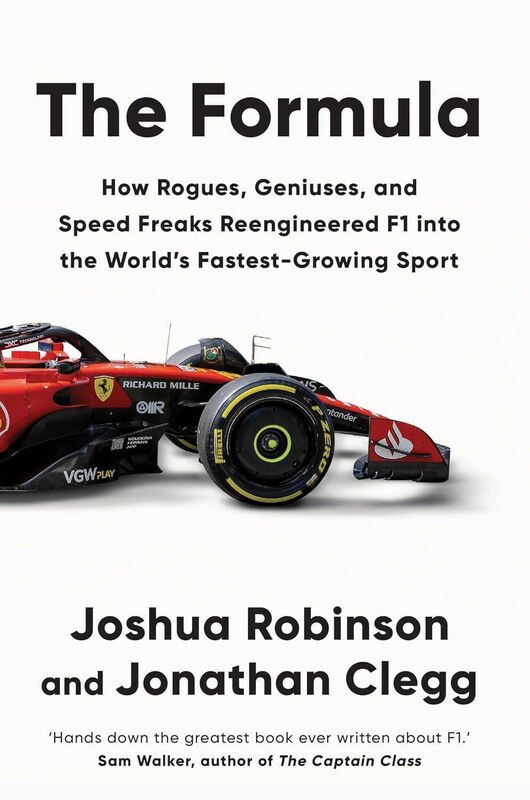
All the great drivers emerge from the pit lanes, including Lewis Hamilton and Michael Schumacher. There’s a wonderful section, for example, describing Ayrton Senna’s “most incredible lap in Grand Prix racing history” at Monaco in 1988, a ridiculously tight circuit that Senna’s Brazilian compatriot Nelson Piquet likened to riding a bicycle around your living room.
Of the key innovators and chancers off the track, none are as interesting as Bernie Ecclestone, the godfather of modern F1, known to all as Supremo, and a ruthless deal-maker in the game. Ecclestone always knew everything in professional sport – and in business and politics – comes back to money. The key is to act like it didn’t. He learnt that trick from Ferrari.
“You should never let people know you’re running a brothel,” Ferrari once told Ecclestone. “You have to pretend it’s a hotel and keep the brothel in the basement.”
After Ireland played France in the 1993 Five Nations tournament in Dublin, the Irish rugby team and their partners repaired to the Berkeley Court Hotel for a post-match dinner. The wives and girlfriends (WAGs) ate in a separate dining room, as custom dictated. Not so very long ago, rugby WAGs were a second-class species. RTÉ TV presenter Katie Hannon, writing in the 1990s as a print journalist, noted that when rugby players socialised at night time they “only notice that there are females present sometime after midnight” and that “a high boredom threshold is considered vital” for any Irish lady looking to snag a rugby player.
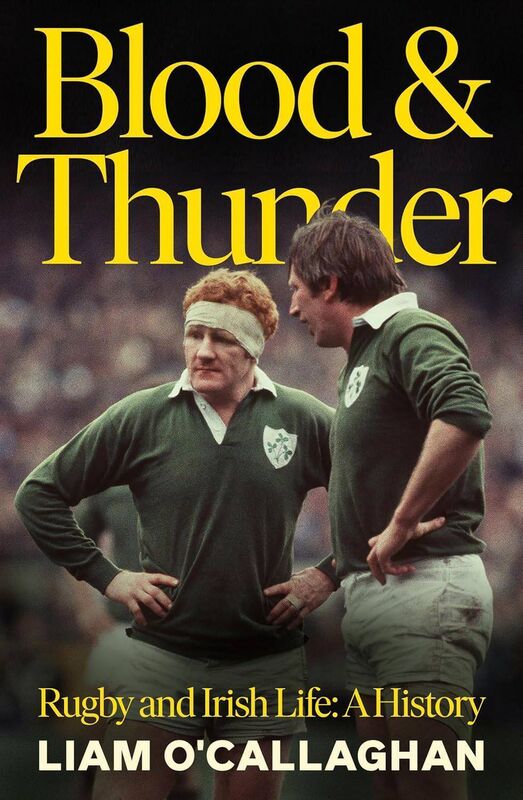
In Blood and Thunder, Liam O’Callaghan, a Limerick-born university professor lecturing in Liverpool, has written a fantastic social and political history of Irish rugby, starting with its roots in the mid-19th century on the grounds of Trinity College. Ireland’s ruling class were drawn to the sport in Victorian times partly because it was seen as “the manliest of games”, better to see “a boy with his eye in a sling” from a rugby injury “than walking up and down Grafton Street with kid gloves”.
The book is ideal fodder for any rugby fan or readers interested in social history. It’s full of impressive research and charming detail and anecdotes. One of O’Callaghan’s favourite sources is Jacques McCarthy, a scabrous Dublin columnist in the late 19th century, and a figure who is mentioned in James Joyce’s Ulysses. Putting the boot in after one of Ireland’s many early defeats to England in 1875, McCarthy reckoned the Irish team was “immaculately innocent of training”. He never let a chance slip by to snobbishly complain about the onset of professionalism, noting the players from a visiting Hull team at a post-match dinner in 1887 were “dirty, with their mouths open and ate as if they never got a bit”.
Davy Russell opens his autobiography with an exhilarating chapter describing his 2018 Grand National win on Tiger Roll (a feat he repeated the following year). You can almost feel the wind in your hair as Russell storms by some of the great National Hunt jockeys of the modern age – including Brian Hughes, Barry Geraghty and Rachel Blackmore – and over the iconic jumps on the famous racecourse at Aintree, Becher’s Brook (not as daunting as it used to be) and The Chair, amongst them.
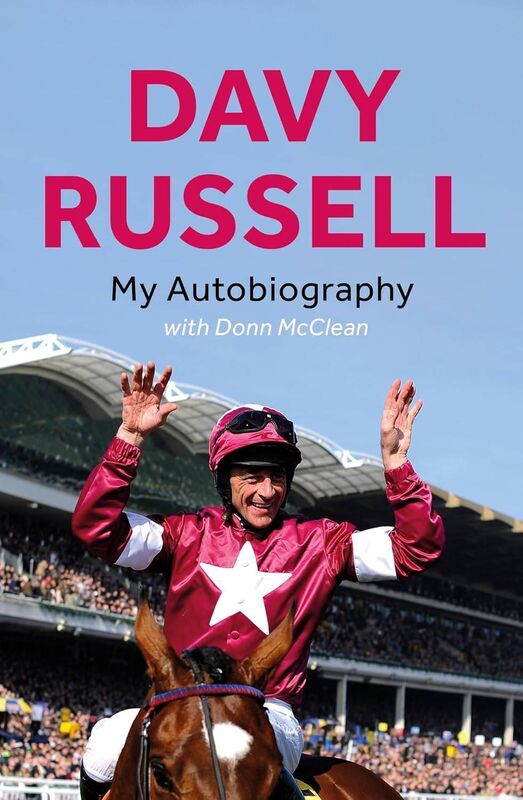
Donn McClean, the go-to man for ghosting horseracing autobiographies, skilfully pilots Russell’s story over the fences, charting his relationships with big characters in the game such as Gordon Elliot. Russell’s childhood is brought to life. He was known as “David” growing up in Youghal, Co Cork in the 1980s. His mother once wrote to the Examiner warning its journalists to stop calling him “Davy” when reports about his horseracing triumphs started appearing in the newspaper. And there would be many of them. Russell did it all during his career – as well as winning Grand Nationals, he won a Gold Cup at Cheltenham and the Grand Steeple-Chase de Paris.
Born in 1988, Joe Canning was playing an under-14 club hurling game one time in Killimor against another Galway team, Kiltormer. He was about 10 years of age at the time. His mother and grandmother were watching the game from a car parked by the side of the pitch. At one point, as he was running with the sliotar, a Kiltormer supporter began howling: “Cut the fucking legs from under him!”
Canning’s mother, who was from Kiltormer herself, was appalled. She didn’t say anything, but she never forgot it, nor forgave the culprit. She told her husband, who knew the man as he had hurled for Galway, and alongside Canning’s uncles at club level. Years later, Canning, too, heard the story. Sadly, Canning’s mother died from cancer in January 2022. At the funeral removal, the Kiltormer man showed up to pay his respects, shaking everyone’s hands. Canning and his father shared a look and a knowing smile that said she’d kill them for shaking the man’s hand.
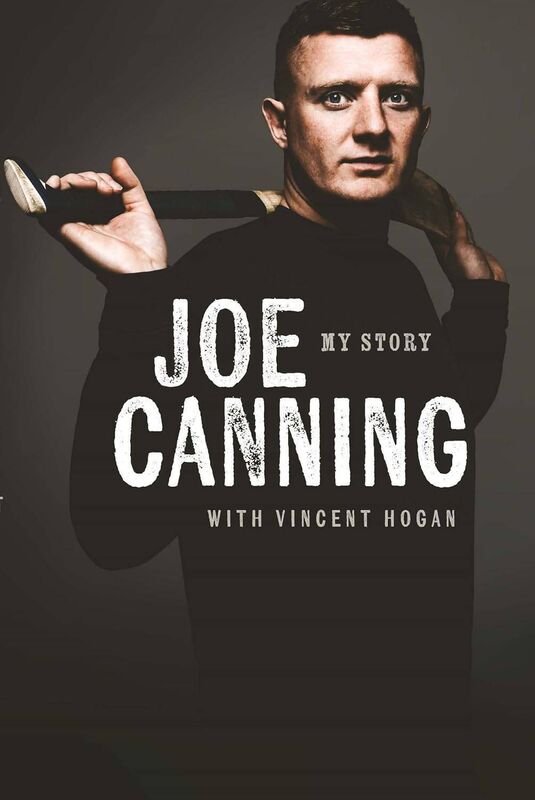
It’s a beautiful moment, one of many in Canning’s excellent autobiography. The key incidents in his extraordinary hurling career are all there, including his All-Ireland win in 2017. There is, for example, nuanced appraisals of the likes of Davy Fitzgerald and Ger Loughnane, both sometime coaches of his, and insight into the stultifying life of a GAA legend, a big fish in a small pond. The book excels in particular in capturing the spirit of the parish and how intrinsic hurling is to a club like Portumna and its community.
With the 2023 All-Ireland semi-final between Kilkenny and Clare underway, Cats’ decorated sub Richie Hogan had retreated to the Hogan Stand dressing rooms. “I was crumpled on the ground like an old man, hoping to scrape myself off the floor just to sit on the subs’ bench, never mind take part in the action."
With 10 minutes to go in that match, Richie Hogan came on. “The choice for me was pretty straightforward. I can go on, risk that I play badly and never play for Kilkenny again. Or I can tell them I can’t play and never play for Kilkenny again anyway.”
Hogan’s autobiography, written with Fintan O’Toole is a tremendous study of talent and determination and obsession. There is searing honesty in the way individual ambition is balanced with the needs of team.
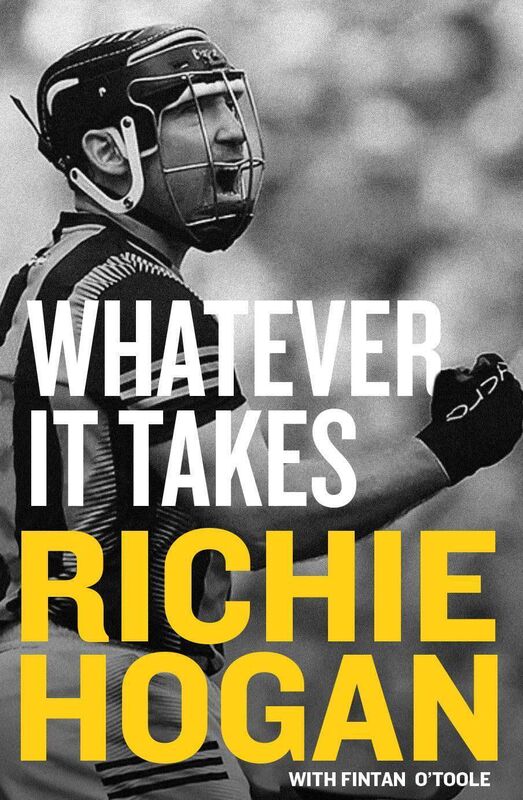
Hogan also offers some entertaining insights into the tough love, or tough something, that drove those great Kilkenny dressing rooms.
An All-Ireland quarter-final with Limerick in 2013, Kilkenny struggling at half-time. Hogan is trying to rally the troops with Brian Cody reaches the dressing room, “I said sit the f**k down! When the f**k are you going to start living up to the potential that you have?”
Hogan went out tightened in a ball of rage and got sent off, but Kilkenny won the match. “The fury he created in the dressing-room had influenced our second-half performance. I happened to be collateral damage on this occasion, but I wasn’t about to take it personally.”
It’s that clear-eyed view of the end and the means that delivers a fine read.
GAA club histories fill bookshelves. But we know little of how grassroots soccer clubs were built, except for an occasional passage in the autobiographies of their past players, Sean Lynch has made a start on redressing that balance with Through the Hard Times and the Good, the story of soccer in the village and environs of Innishannon in Cork. But the book serves as much more than club history.
The title is a nod to Fatboy Slim’s 'Praise You' and a perfect chronicle of how football in this country has “come a long, long way together” along a bumpy road.
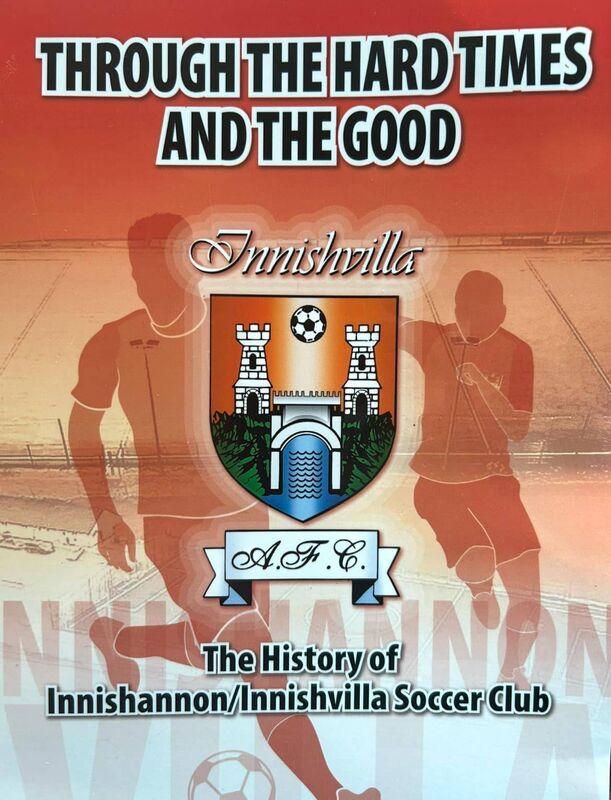
It is a beautiful, full-colour, painstakingly researched production. It charts a battle still being waged in Irish football for recognition and respect and money and facilities. But in its ambition and reverence and pride in its subject, it also sets out how Irish football has to see itself to demand all those things.
Early steps are recalled. How the 1966 World Cup imported the contraband of football to “break time in Bandon Vocational School, where the Townies would take on The Country Lads behind the bicycle sheds. Luckily, head teachers went home at lunch so the ‘prohibited game’ could go ahead.”
Sometimes, late in the evening, in a mighty show of revolutionary defiance, the lights on the main street turned a village into Wembley. And ‘The Top End’ played ‘The Lower End’.
There is record of a deeply illegitimate game played in the local GAA field by a CMP Dairies team, who fielded a milkman sympathiser with the cause. A fixture abruptly ended when the Valley Rovers hurlers arrived for training.
Lynch is a heroic figure in the development of the modern Innishvilla FC. Player, coach, manager, chairman, fundraiser, president. His passion has helped weave soccer into the community.
Sean writes of the effects of another World Cup, 1990. Perhaps not as transformative as widely billed. “Many were more impressed by the Irish having an audience with the Pope. ‘They mustn’t be all bad after all’. But hurling was still the religion around here.”
But this soccer prophet has produced a fine bible of his own.
States of Play is one of the finest and most ambitious achievements any Irish sports journalist has pulled off in book form because of just how global and far-reaching its subject is: what football has reduced itself to in its expansion. Miguel Delaney began his journalistic career in Dublin, writing for the old , but after it finished up he has gone on to observe the workings of the world in covering its largest and most popular sport.
From the start he draws you in: with the image of Messi, the personification of all the wonder the sport can conjure, finally getting his hands on that elusive World Cup only for the sport’s powerbrokers to lay their hands on him, draping a bisht over him to obscure the Argentina crest and famous blue and white stripes. And then he traces and explores how the sport has been “transformed and distorted” by three main forces: geopolitics, western hyper-capitalism and the negligent, laissez-faire facilitation of all this by football and external authorities.
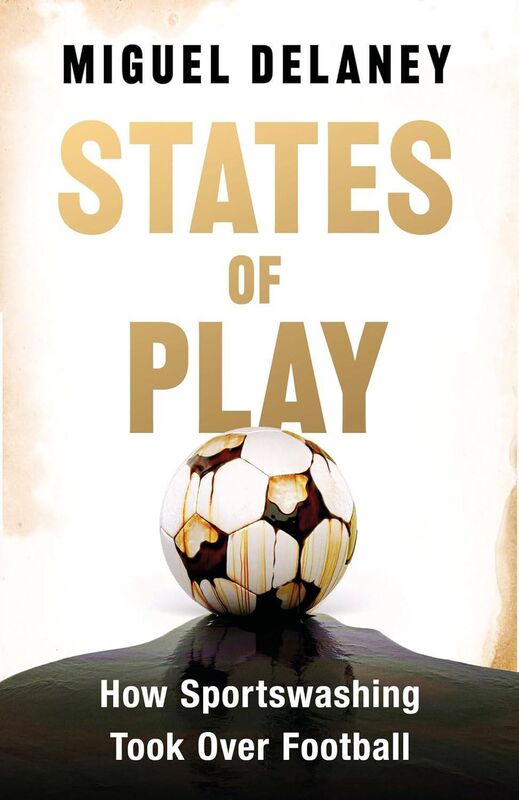
It is written with the keen eye and critical mind of a journalist but at its heart is that of a fan: knowing what the game means and also what it can still be, outlining how the German and Swedish models, with the community and supporters at the core, successfully work and could elsewhere.
Until then, the sport is riddled with paradoxes, like, as Delaney observes, “Barcelona displayed an ideal of football on the pitch, before showing how grim the industry can be off it.”
In States of Play he sees the terrible and the beauty in it all.
CONNECT WITH US TODAY



Be the first to know the latest news and updates