Paris Olympics: A to Z from Adeleke to Zero chill
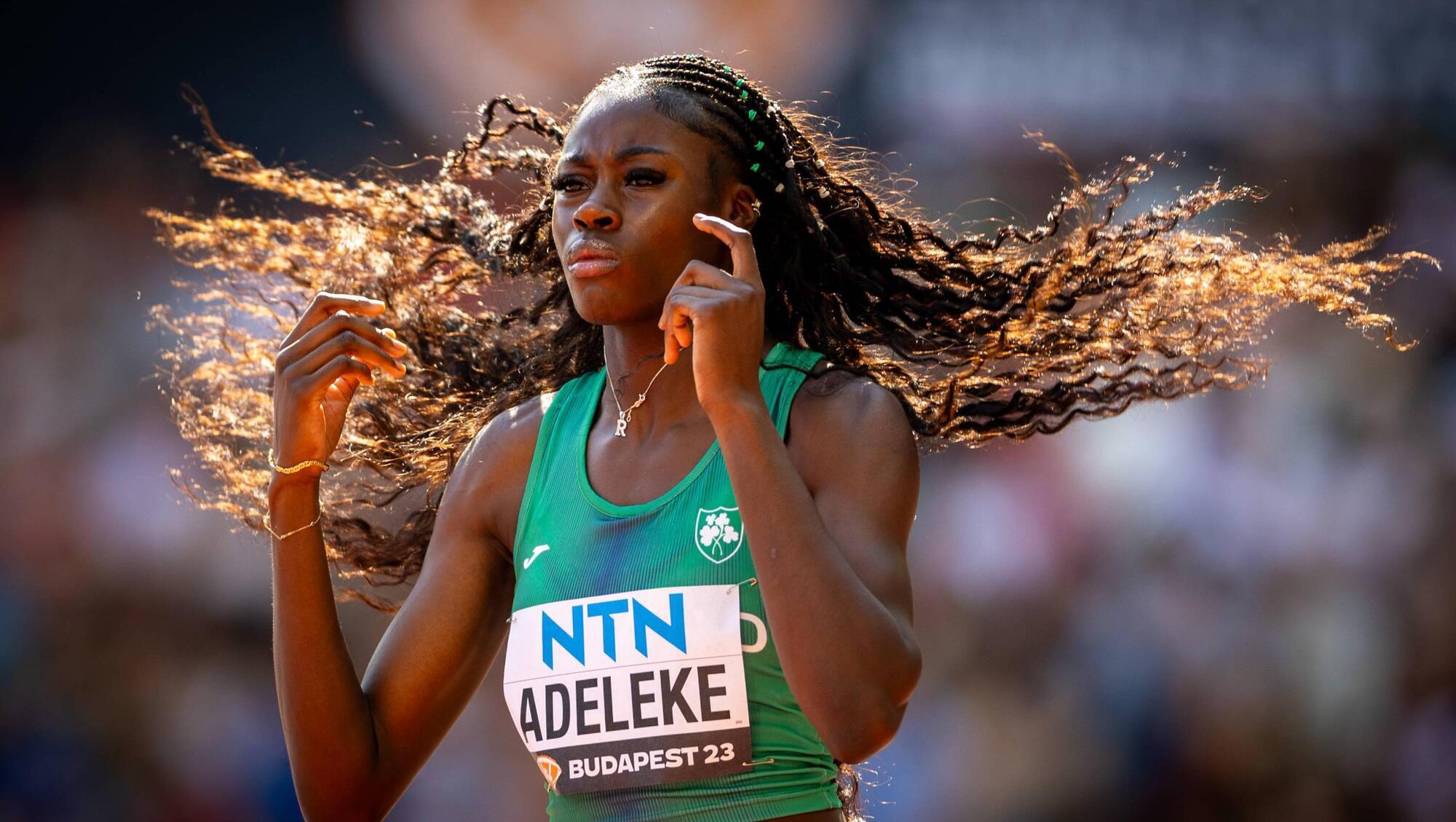
A to Z: Ireland's Rhasidat Adeleke before running in her heat of the Women’s 400m. Pic: ©INPHO/Morgan Treacy
Ireland has never won a medal in a flat sprint event at the Olympics, with Bob Tisdall’s 400m hurdles gold in 1932 the last athletics medal in any speed-based event. But Rhasidat Adeleke could end that drought in Paris. The 21-year-old Dubliner has been in fantastic form this season, winning silver at the Europeans in an Irish record of 49.07 despite training through that championships. Sub-49 will likely be needed to make the podium in Paris, but Adeleke is fully capable. No step on that podium looks out of reach.
Or as it’s better known, breakdancing. The sport will make its Olympic debut in Paris with 16 B-boys and 16 B-girls lining up in its two competitions. Ireland – not a breakdancing stronghold – won’t be represented.
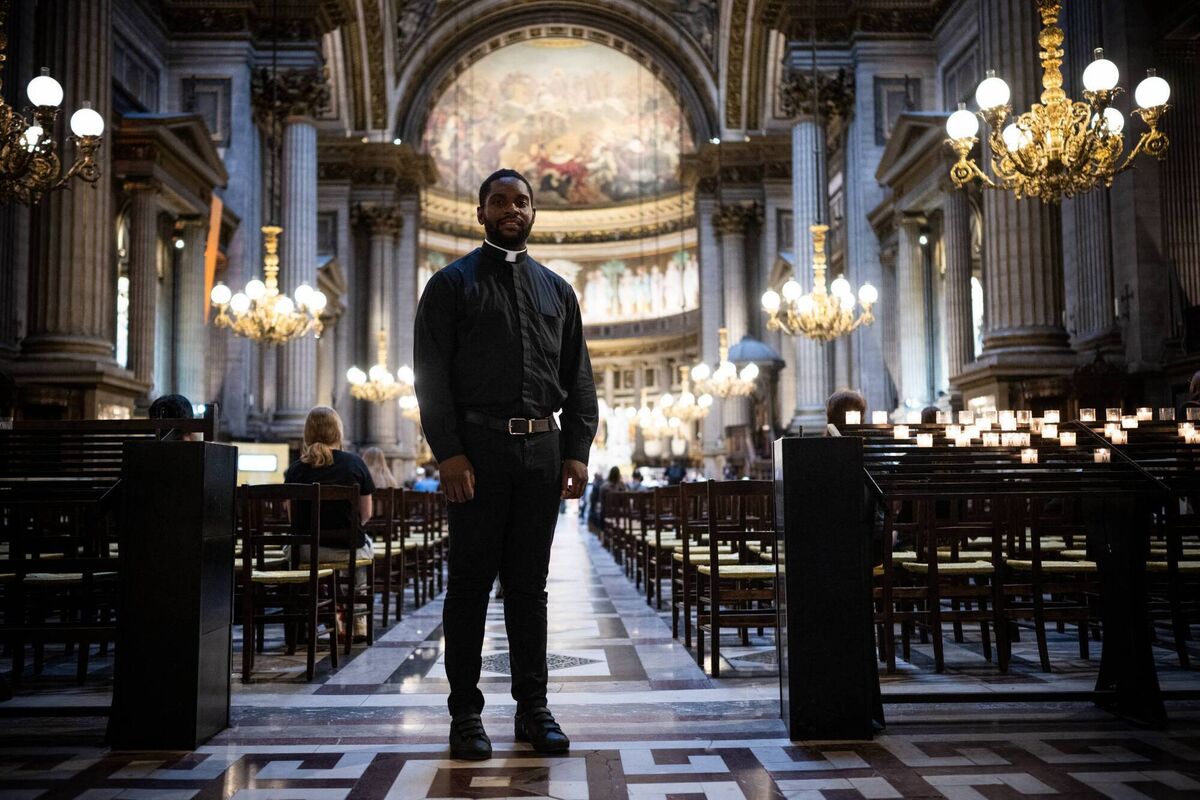
As athletes rev up their training and organizers finalise everything from ceremonies to podiums before the Paris Olympics, more than 120 faith leaders are preparing for a different challenge — spiritually supporting some 10,000 Olympic athletes from around the world, especially those whose medal dreams will inevitably get crushed. “We’ll need to bring them back to earth, because it can feel like the end of the world after working on this goal for four or five years,” said Jason Nioka, a former judo champion and deacon who’s in charge of the largest contingent of Olympic chaplains, about 40 Catholic priests, nuns and lay faithful.
OK, the original Dream Team – the 1992 US men’s basketball squad – will always have a lock on that moniker, but the team the US is sending to Paris is a worthy successor, featuring LeBron James, Steph Curry, Kevin Durant, Jayson Taytum and Joel Embiid, among many other NBA A-listers. Good luck stopping them.
The build-up to these Games has been relatively panic-free, at least compared to recent editions, but one thing that’s given organisers a headache is the water quality of the River Seine, which will host part of the triathlon and the open-water swimming. French authorities have spent €1.4 billion to improve the city’s sewage system to try make the river bathable, with levels of E.Coli fluctuating above and below acceptable thresholds in recent months. The race to make it safe will come down to the wire.
From Beijing to London, Rio to Tokyo, Fionnuala McCormack has been a quiet, consistent and always courageous fixture in Team Ireland dating back to 2008. In Paris, the 39-year-old mother of three will become the first Irishwoman in history to compete at five Olympics, racing the women’s marathon on the final day of the Games, August 11. Whatever her potential is on the day, she will extract it.
Just about everyone in athletics is counting down to August 6 and the men’s 1500m final, which will pit Britain’s Josh Kerr against Norway’s Jakob Ingebrigtsen. They don’t like each other, and have been engaged in an ongoing a war of words ever since Kerr beat Ingebrigtsen – the reigning Olympic champion – to the world title in Budapest last year. The score will be settled in Paris. If you only catch one event at the Games, make it this.
The name couldn’t be more Irish: Siobhán Bernadette Haughey. But the swimming star is very much the pride of Hong Kong. She’s the grand-niece of former Taoiseach Charles Haughey and was born and raised in Hong Kong to an Irish father, Darach, and a Hongkonger mother, Canjo. In 2021 she became the first swimmer to win an Olympic medal for Hong Kong, winning 100m and 200m freestyle silver in Tokyo. The 26-year-old goes to Paris with more medals on her mind and if she gets one, Ireland can certainly claim some small part of it.
One of the showpiece events at the Olympics is the men’s marathon, which will pit two of the greatest distance runners in history – Eliud Kipchoge of Kenya and Kenenisa Bekele of Ethiopia – against each other. It will start in the centre of Paris before heading out to Versailles and then return to finish at Esplanade des Invalides, the historical heart of the city and a suitable setting to potentially crown the greatest of all time.
Having become Ireland’s first ever representative in taekwondo at the last Olympics, Jack Woolley will go to Paris hoping for a better showing than in Tokyo, where he lost his first fight. The Dubliner won a superb silver at the European Games last year and is not shy on confidence. He’s 25 now, and having made his original dream come true – to compete at the Games – the next step is to contend with the world’s best.
Once more, with feeling. This will be the last Olympic Games for Kellie Harrington, who has been to hell and back in the last couple of years for various reasons. But the 34-year-old Dubliner could well close her Olympic career with another gold. After a poor start to 2023, she bounced back to her brilliant best to win gold at the European Games in Poland last summer. She will be seeded third in the lightweight division in Paris. She could face an early exit or go all the way, along with anything in between.
The category in rowing that Paul O’Donovan and Fintan McCarthy have monopolised in recent years.
Lightweight rowing won’t be part of the Games in 2028 so this is a chance for O’Donovan and McCarthy to go out with a bang in this category and defend their Olympic title from Tokyo. They represent the strongest Irish gold medal chance of the Games.
And lots of them. Ireland looks set to surpass – and possibly smash – the previous record of six from London 2012. A recent virtual medal table by Nielsen’s Gracenote predicted Ireland to win nine: three in rowing, three in boxing, with one each in gymnastics, golf and swimming.
The total number of competition days, with rugby sevens, handball and football events getting under way on July 24 before the Games open fully on July 26. Thirty-two sports in total, with 329 events and 10,500 athletes – a sporting feast like no other.
For the first time ever, the opening ceremony will not take place in a stadium, instead it will be on the River Seine with a parade of boats along a 6km route before arriving in front of Trocadero, where all the usuals – box-ticking speeches and the lighting of the Olympic flame – will take place. Security, as you’d expect, will be sky-high.
In April, World Athletics broke the mould of amateurism that has long underpinned the Olympic movement and announced it will become the first global governing body to pay prize money at the Games, with each gold medallist in Paris receiving $50,000. In May, the International Boxing Association – currently blacklisted by the International Olympic Committee due to governance issues – said it will do similar, paying $100,000 to all gold medallists, $50,000 for silver and $25,000 for bronze. Ka-ching.
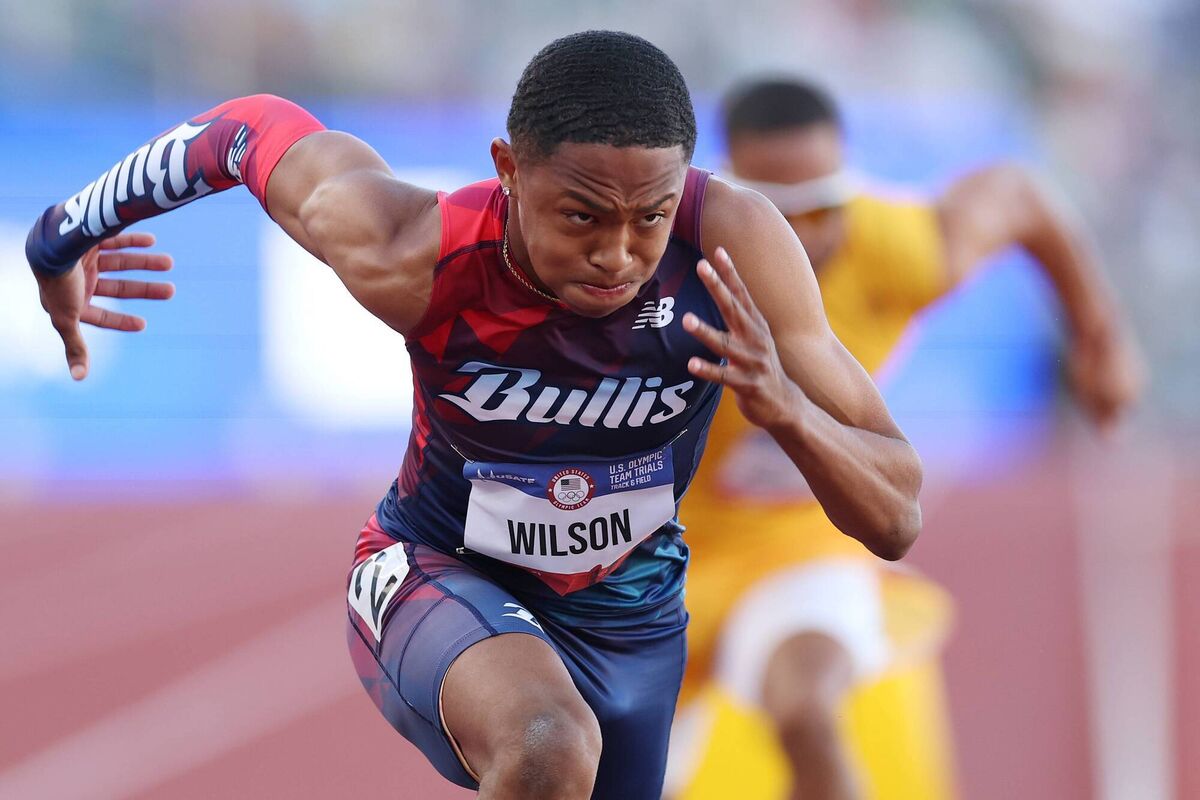
If you catch the heats of the men’s 4x400m in Paris, chances are you’ll see Quincy Wilson, who will become the youngest track athlete ever to represent the US. He is 16, looks 14, yet runs like a seasoned 24-year-old. Wilson, who won’t be able to legally buy a drink in his native Maryland until 2029, clocked an astonishing 44.59 at the US Olympic Trials last month. The Irish record – and it’s a damn good one – is David Gillick’s at 44.77.
Wouldn’t it just be like Rory McIlroy to pop up and win Olympic gold to put a golden glow on this difficult summer? Maybe. McIlroy will be joined by Shane Lowry at the former Ryder Cup venue Le Golf National for the men’s competition from 1-4 August, with Leona Maguire and Stephanie Meadow to follow in the women’s from August 7-10.
It’s gone a little under the radar, but Ireland has a legitimate gold medal shot in showjumping, with Daniel Coyle, Shane Sweetnam, Cian O’Connor and alternate Bertram Allen among the favourites for the team event. Sweetnam, O’Connor and Allen formed the team that recently won a huge Nations Cup in Germany – the perfect way to go into the Games.
It’s not like the west coast of France is short on good surfing spots, but organisers nonetheless have decided to stage the surfing events in Teahupo’o, Tahiti, a French overseas territory. At a remove of 15,000km, it’s the event with the longest distance between the venue and host city in the history of the Olympics, surpassing Melbourne in 1956, which had to stage the equestrian events in Stockholm due to quarantine laws in Australia.
At the Origin Gymnastics centre in Newtownards, on the wall alongside the pommel horse that Rhys McClenaghan trains on each day, there’s a large slogan plastered in huge font: Be Undeniable. That’s what the two-time world champion hopes to be in the men’s final in Paris, having endured a nightmare in the last Olympic final in Tokyo, where he caught a finger on the handle and fell off the horse. Paris is his shot at redemption.
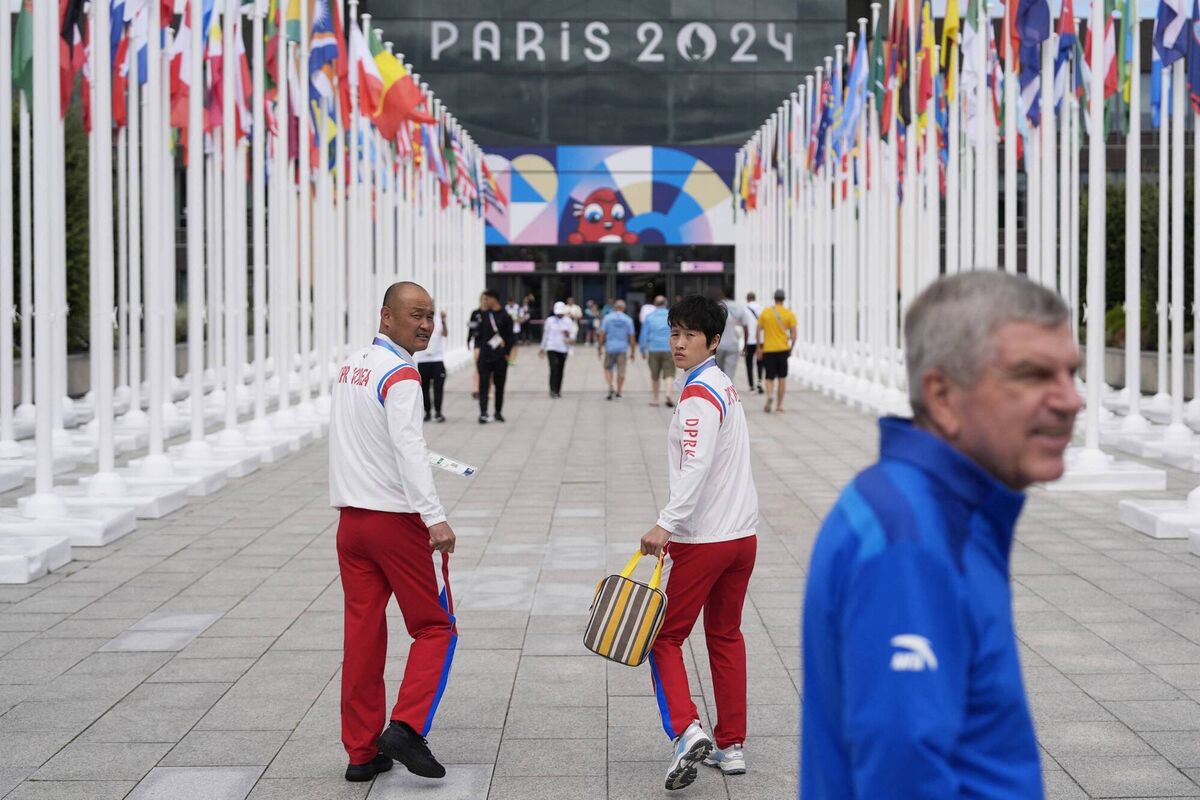
During the Games the Olympic village, located along the banks of the Seine, will be home to over 14,000 people between athletes and team staff. Just about every food you can think of will be available in the dining hall. With sustainability and legacy a key priority, the village will be converted after the Games to long-term residences that will house 6,000 people.
It’s been 28 years since an Irish swimmer won an Olympic medal – and the less said about that, the better – but in Daniel Wiffen, there’s a rock-solid chance of another coming along in Paris. The 22- year-old Armagh swimmer is the reigning world champion in the 800m and 1500m and while it’d be wrong to expect him a repeat of that in Paris – given there were some notable absentees when he won those – he can certainly claim a podium place in one or both events.
As in, the social media platform formerly known as Twitter. If you use it, you’ll know that there will be times during these Games when it features toxic posts from those using sport to push a political agenda. Most of the people behind those accounts are likely not even based in Ireland and tend to have six followers and something about being an Irish patriot in their bio. Such accounts want one thing: your reaction. Don’t give it to them. Block, report, ignore. Their bile won’t thrive, or survive, unless it’s given oxygen.
Every sports authority is desperate to grab the attention of Generation Z (currently aged 12-27) and the organisers in Paris have tried their best to be down with the kids by making sure skateboarding, sport climbing, breaking and surfing are part of these Games. It may or may not catch on with the TikTok generation in this age of unlimited distractions.
The idea was nice, at least in theory: that the Olympic village would have zero air-conditioning, instead relying on an underground water-cooling system to bring relief from the summer heat. Paris Mayor Anne Hidalgo said she wanted the Games to be “exemplary from an environmental point of view.” But in a move absolutely everyone could see coming, the world’s best athletes weren’t best pleased about having no air-con amid potential heatwaves before the biggest event of their careers.
In recent weeks a compromise has been struck, with organisers agreeing to fit 2,500 temporary cooling units in the village and many nations planning to bring their own portable air-con units along just in case.
CONNECT WITH US TODAY



Be the first to know the latest news and updates