Billy Walsh leading USA Olympic boxing renaissance: 'The biggest thing is probably my Wexford accent'
This is USA's most successful Games since Sydney in 2000 and, as we all know, the man who has picked this sleeping giant of a boxing nation up off the canvas is none other than Billy Walsh.
Billy Walsh leading USA Olympic boxing renaissance: 'The biggest thing is probably my Wexford accent'

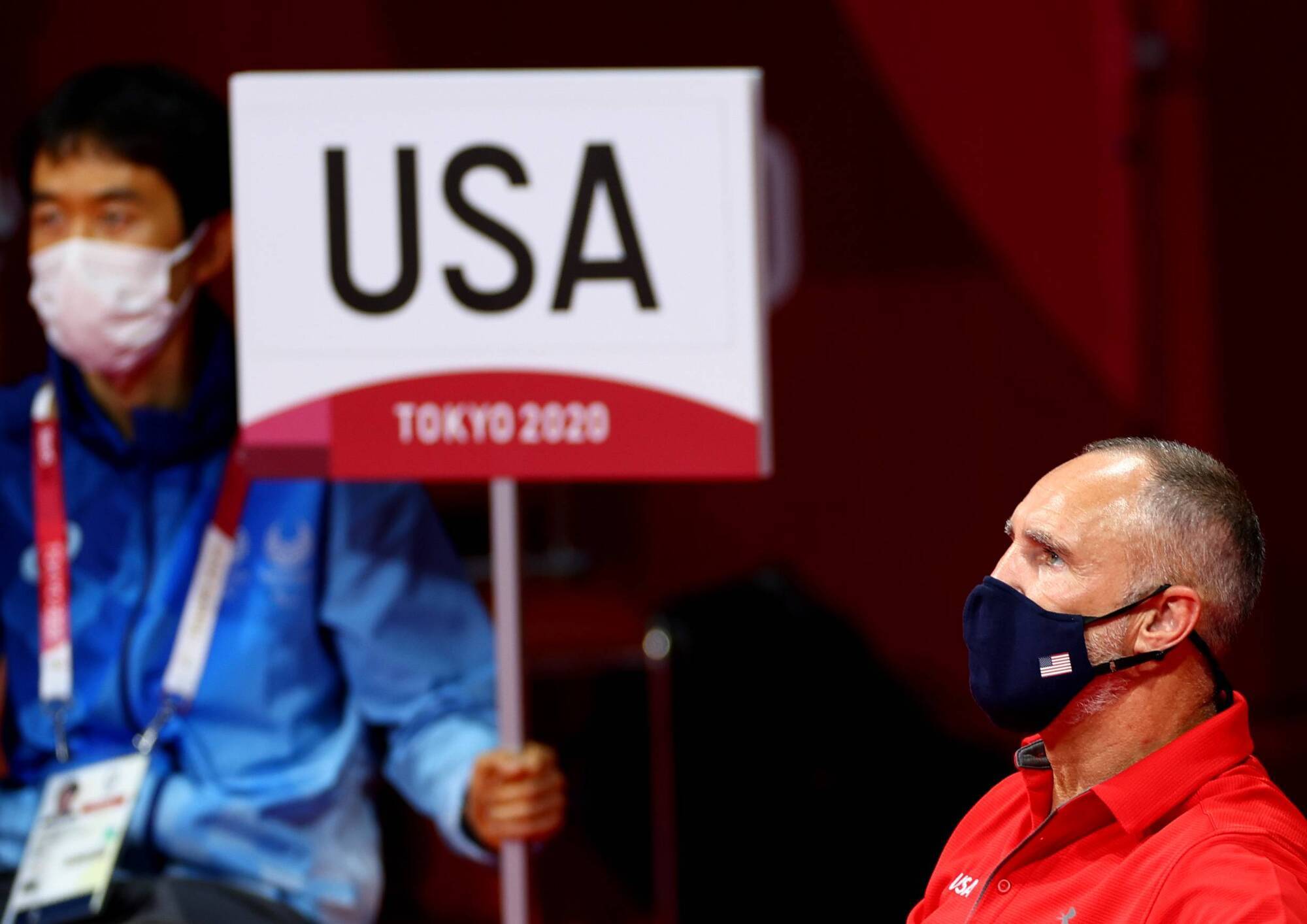
Billy Walsh: ‘For USA Boxing this will be a great boost with four medals.’ Picture: Inpho

Anyone back home stumbling out of bed to see Kellie Harrington guarantee herself an Olympic medal yesterday had already missed the latest chapter in what has been the biggest Irish success story of these Games.

Keyshawn Davis’ split-decision defeat of Russia’s Gabil Mamedov maybe 45 minutes earlier meant that the 22-year-old from Norfolk, Virginia would be standing on another podium later this week and it was the fourth medal banked here by the USA.

This is now their most successful Games since Sydney in 2000 and, as we all know, the man who has picked this sleeping giant of a boxing nation up off the canvas is none other than Billy Walsh.

In situ in the States since late 2015, Walsh has embedded a new culture and new practises, overcoming the long separations from his family and home, and that thick Wexford accent which his fighters still find to be somewhere between difficult and impenetrable.

Walsh has actually been aided by the pandemic given it redirected Davis and Duke Ragan — Kurt Walker’s victor — back into the amateur ranks after time spent in the pros and Ireland’s headman Bernard Dunne is among those none too pleased with that direction of traffic.

“We’ve done a helluva lot of work,” Walsh explained after Davis’ progressed to the semi-final of the lightweight division despite a display that was far from his best.

“You can say these two guys today came back (from the pro ranks) but I worked for four years with them. Both of them were World silver medallists, so they’d been in the system.

“The challenge for us was changing the switch from the pro game, which is a slower pace and less intensity. Turning that switch, we’ve worked on that over the last six or eight weeks.

“For USA Boxing this will be a great boost with four medals. They haven’t done that since 2000. It’s a move in the right direction. Our sport is growing.”

It needs to.

Ireland has just under half a dozen coaches working off an island-wide population of just under seven million people. Walsh is the only full-time coach working in the amateur fight game in a nation with over 40 times that number of people.

The main centre in Colorado Springs makes for an excellent facility but Walsh is all too aware of the need to buttress that tip of the pyramid with centres around the nation so that they can put together a consistent feeder system.

“The system within the country is based around professional boxing. Every gym is trying to get the next pro world title so the ambition of the Olympic Games wasn’t there, and still isn’t in some places,” he explains.

“So that was the biggest thing going there and trying to get them to use the Olympics as a launchpad towards world championships. Thankfully with this group we’ve always been together — apart from the guys who went but then came back — for four or five years and working towards that goal and then trying to move on.

That’s been a big challenge, to do that, to give the guys that thought and the love of the Olympic Games which they all have now.

God help the rest of the boxing world if ever get everything right.

If this all looks inevitable given the resources and the tradition in the States then it was anything but. Walsh was intrinsic in making Irish boxing the medal factory that it duly became but methods and beliefs don’t always transfer wholesale.

He has spoken before about the struggle he had with Rio gold medallist Claressa Shields, and how the pair ultimately found themselves on the same page, when he first arrived from Ireland.

Boxers from Detroit can differ to those from Dublin.

“Yeah, there is a different psyche. It’s a different culture, a completely different culture. Very diverse, well, from similar backgrounds maybe, but whereas Ireland you might get a kick in the ass or a punch in the head, you might get stabbed or get shot in America. It’s different. It’s a different society.

“They’re very similar in many ways but the culture thing
 The biggest thing is probably my Wexford accent. I haven’t really lost that so they struggle with that sometimes. I don’t speak so loudly so they struggle with that a lot of the time.

“Other than that we’re all on the same page for the last few years and it’s been really enjoyable and a challenge for me as a coach, to be able to connect with people from a different society and a different background, obviously trying to get the best performances.”

More in this section

Sport

Newsletter

Latest news from the world of sport, along with the best in opinion from our outstanding team of sports writers. and reporters

Cookie Policy Privacy Policy Brand Safety FAQ Help Contact Us Terms and Conditions

© Examiner Echo Group Limited