Mark Scannell on the hardest thing in Irish sport: Keeping volunteers involved
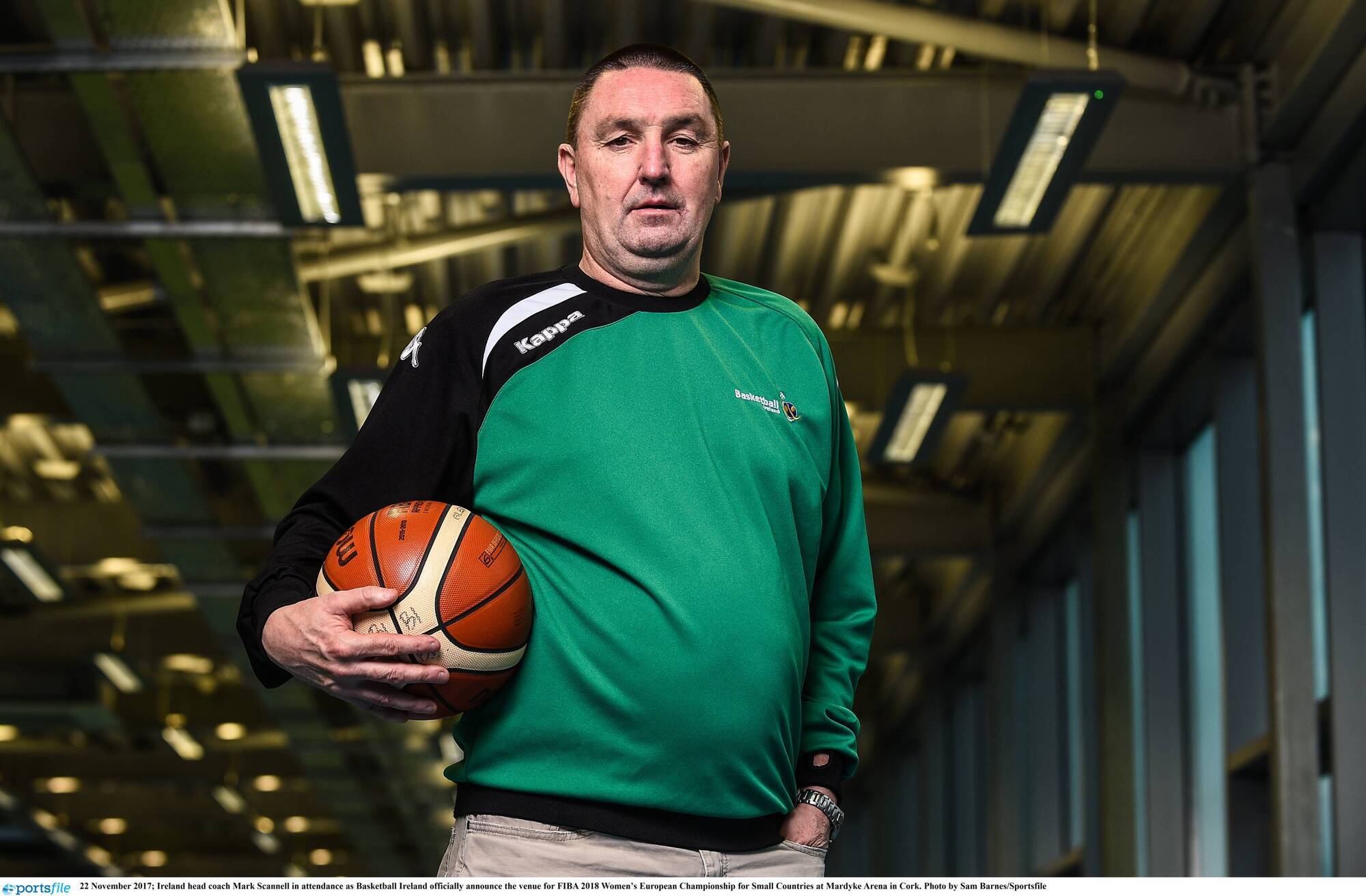
Mark Scannell: Would like to see a new approach to coaching in Ireland.
A conversation with Mark Scannell is always likely to range far and wide. Asking him to nail down the hardest thing in Irish sport was no different.
One of the most successful coaches in Irish basketball, with a formidable record at club and international level, Scannell’s first port of call will be recognisable to members of clubs all over Ireland.
“One of the hardest things I find as a member of a sports club is actually getting people to volunteer, but there’s more to it than that.
“People in sports clubs all over the country will tell you the same thing - that you can get people involved as volunteers in the club when their kids are involved playing.
“But I find a big problem is that as the kids get older and move on to other teams - or other interests - then you have a huge turnover in volunteers. The kids move on from that particular underage team and the parents tend to move on with them.
“We have a very good academy in the club, say seven to 10-year-olds, and we have a lot of parents involved. And again, this is the same situation for all clubs, these are brilliant people who are giving up their time, but in a lot of cases they’re not qualified coaches.”
Scannell broadens the picture. “Whether it’s soccer or GAA or basketball, it’s the same: you have parents involved and it’s great to have people involved looking after teams, but you’d love to have coaches as well, people who can help the kids become the best players they can be and get the most out of the experience.
As ever, Scannell’s experience means he can offer models worth examining in other countries.
“If you look at countries like France and Spain, which have had a lot of success in soccer and basketball, there’s a lot to admire in their approach. People might focus on France getting high-profile people like (Arsene) Wenger involved, but their approach was a lot more oriented to the grassroots than that.
"At underage soccer level they persuaded the best coaches to stay with the age groups they worked best with, to improve those players. So they had particularly good coaches at all those levels, from U12 to U16, and that meant there was a pathway of excellence there.”
The Spanish example is different but equally interesting, he adds: “A lot of people might know that in Spain basketball hoops and soccer goals were put up all over the country to help kids to play, but they also looked at the communities to see what worked there.
“The national body there tried to identify the individuals who were helping run underage soccer teams or clubs in particular areas, the key guys who were involved - and it said to those people, ‘look, we’d love you to stay involved and stay running those teams - but we also want you to buy into the coaching philosophy we’re going to follow, so we’ll send you on a course to help you with that.’
“So they recruited the people with the biggest influence on the young people in an area and then qualified them as coaches.
There's another potential obstacle which cuts across all sports.
“I think patience is sorely missing in sport a lot of the time. Take how coaches see themselves. You have a coach who’s great with the U13 team but then they’re coaching the club minor team - when they might be far better suited to coaching the U13s. That might be their niche. And that applies to players as well. Players need patience, particularly when they move from underage to adult teams, no matter what the sport.
“It’s very, very rare for a newcomer to break right through to an adult team, though. I know that myself from my own time playing basketball, and from being a sub on a very good North Mon team for a couple of years.
“That can be a tough period for a lot of sportspeople, from the age of 18 to around 21, 22, because many of them go from a time when they’re playing loads of games and maybe starring on teams to something of a lull. They’re breaking through to a senior team and have to bide their time because usually the coach isn’t going to move a stalwart on the team to accommodate them.
"Patience - on everyone’s part, players, coaches and parents - is something that can be in short supply.”


CONNECT WITH US TODAY



Be the first to know the latest news and updates