Many athletes now face biggest hurdle
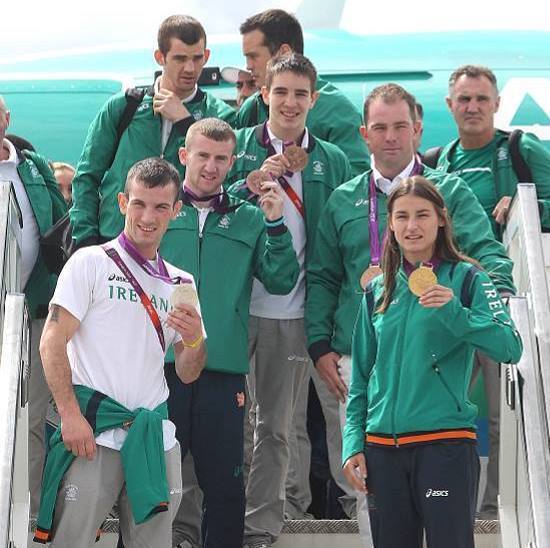
As London prepares to deal with the comedown and adjust to normality again, the athletes must adjust to a life devoid of that singular focus that has occupied their lives for the last four years.
In the Olympic build-up we hear so much about the trials and tribulations of athletes on their Olympic roads.
We hear how they have sacrificed, overcome the odds and the levels of brilliance they have achieved to even participate. In their worlds they have invested everything into being the best they can be. They take their craft to an extreme.
What happens when it’s all over? We will hear significantly less about them.
But their lives will go on and for many, that is far more challenging than they ever imagined.
Athletes are regarded as strong and able.
Because the Olympic seems so far out of reach, it is easy to regard Olympians as super human. However, they are also human beings with fears, insecurities and personal issues. It is very easy for an athlete to sweep everyday human problems under the carpet to focus on their goals. Sporting performance is priority number one. In most cases, the personal lives and feelings of the athletes rank second. Athletes can struggle to talk about human issues and fears due to the stigma attached to being vulnerable in a space where bravado is king.
Top results and great training sessions are closely linked to feelings of self worth.
When a bad result or poor training session occurs, the athlete’s world can come down. When it’s all going well though, there is no better feeling. It’s an unbalanced life.
The escapism of the performance bubble is quickly popped. Real life kicks in.
Real life means confronting all of those questions about who you are without your sport and what you want to do with your life.
Your passion is gone. Your focus is gone. All of a sudden you are searching when all you are used to is being focused.
It’s a dangerous time. For so long you are surrounded by a community of mentors, supporters, coaches and team-mates moving towards a goal.
Now you are left alone.
There is the inevitable crazy phase, a period of blowing off steam and doing the things that were off limits for most of your career.
But there comes a time when all of that has to balance out and your new life purpose has to be followed.
Many elite athletes have been lost in this phase and never returned. Many have committed suicide, ended up in jail, ruined their lives through drugs and alcohol abuse and never found peace again.
When they retire they are confronted with the prospect of needing assistance with their next step in life.
This is done through open, real and vulnerable conversations which is very difficult for people who have been conditioned to never show their fear.
Career placement and development programmes are in place in many sporting organisations which is a great step.
However, I see this as the tip of the iceberg.
It’s not enough to place an elite athlete at a desk in a bank somewhere and tell them to get on with the rest of their lives.
Unless they are aligned to their purpose, they will not last in any job.
I believe we are not good at just one thing in our lives, we are multi-talented and it takes a little time to find out where our next passion lies.
I am about to launch the Crossing the Line Project which is a global support network for elite athletes in any sport who are making the transition.
It is an online support network and community for athletes to go to if they need assistance with emotional issues, education and career advice and mentoring.
Retiring at the age of 28 or 32 is a unique challenge and there should be a responsibility towards athletes to ensure they emerge from the sporting world as balanced and purposeful people.
Athletes must be personally responsible for their futures, however I think a cultural shift tending to the athletes’ emotional needs will not only make them better equipped for the next phase but also more robust and balanced performers.
Many of the thousands of athletes who attended the closing ceremony will have woken up the next morning looking forward to the next three weeks of vacation until they start preparing for Rio. However, there will be others who will wake up not knowing what is coming tomorrow or for the rest of their lives. They have little realisation that they could be facing something much more challenging than their Olympic competition — the challenge of reinvention.


CONNECT WITH US TODAY



Be the first to know the latest news and updates