The scars of Hurricane Helene still evident outside the gates of Augusta National
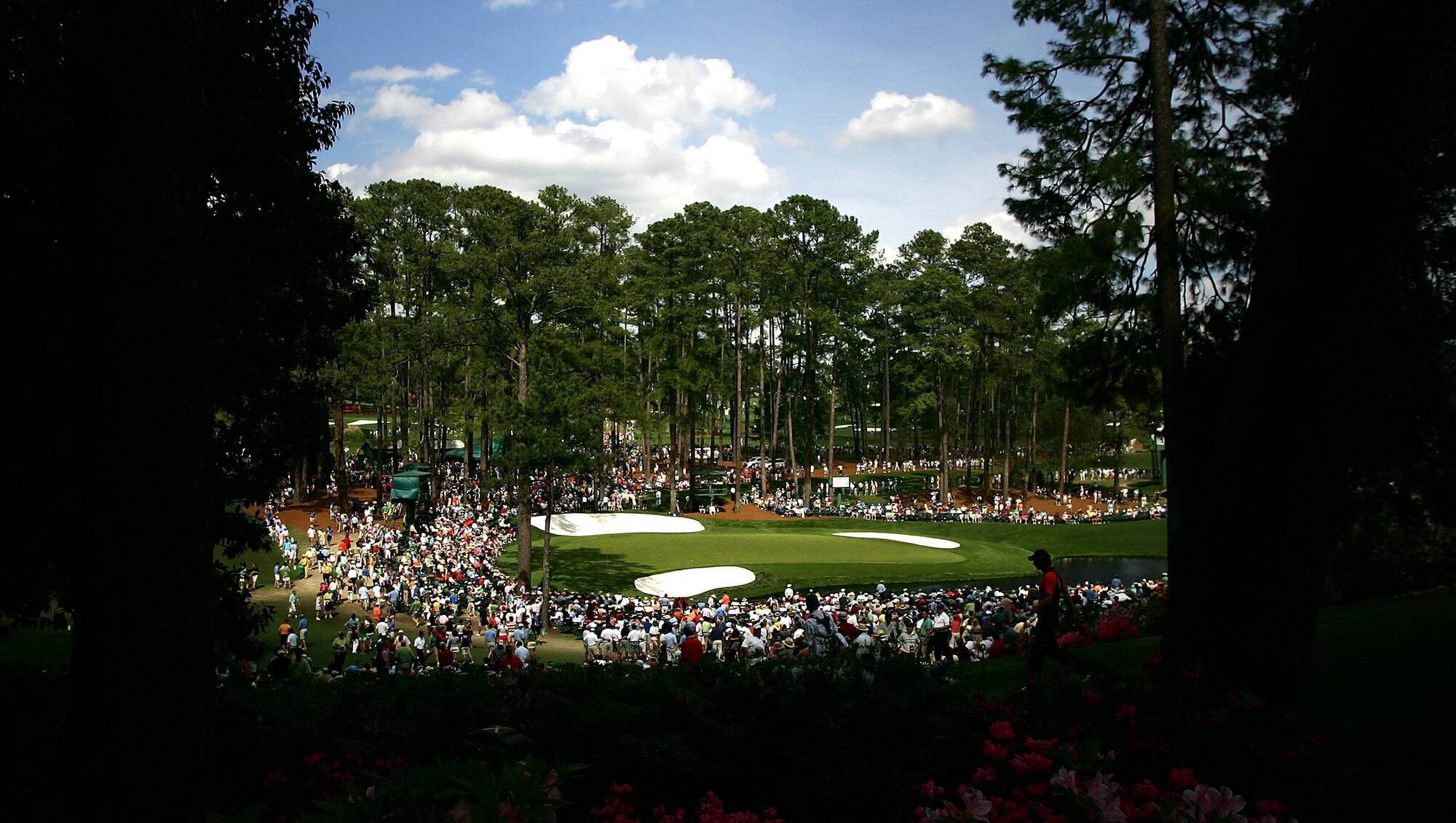
AUGUSTA NATIONAL: What you won’t see are the scars that inside the gates of Augusta National are invisible but outside the hallowed grounds are still very much on display seven months after the region was ravaged by a deadly storm that killed 31 people in the Augusta area. Pic: INPHO
The images you’ll see on television when the Masters begins on Thursday will provide the same comfort as usual as a long, cold winter releases its grip toward spring. Augusta National Golf Club will look as pristine and perfect as always as it heralds the start of another major championship season.
What you won’t see are the scars that inside the gates of Augusta National are invisible but outside the hallowed grounds are still very much on display seven months after the region was ravaged by a deadly storm that killed 31 people in the Augusta area – many asleep in their own beds when during the cover of darkness an estimated third of the tree canopy came crashing down.

In the wee hours of Sept. 27, the remnants of Hurricane Helene stormed through the southeastern United States on a violent 500-mile trek from Florida’s “Big Bend” up through the mountains of the western Carolinas.
The hometown of the Masters Tournament is normally a safe haven for coastal residents seeking shelter from hurricanes that churn in from the Gulf of Mexico or Atlantic Ocean. This time, however, it was ground zero for some of the worst damage Helene wreaked in its path from making landfall south of Tallahassee, Florida.
The National Weather Service recorded wind gusts up to 82 mph at Augusta Regional Airport with sustained tropical-storm-force winds as the forward wall of what was still a Category 1 storm tore through and left massive uprooted trees and mangled power lines across homes, cars and roads. Helene is the costliest natural disaster in the city’s history. It took weeks to restore power and water to many residents and more than a month to get Internet service back. Damaged and destroyed homes are still prevalent throughout the region.
“Literally, this hurricane, it’s like a 250-mile-wide tornado had hit,” said Georgia Gov. Brian Kemp in a press conference outside the James Brown Arena in downtown Augusta after assessing the damage days after Helene blew through. “To see the level of the destruction that a hurricane can do, in this community, being this far from … the Florida line, is unprecedented.”
Roughly a couple thousand trees from the Augusta National clubhouse to the adjacent Augusta Country Club clubhouse across Rae’s Creek were wiped out. To anyone who’s been to the Masters before, the difference is immediately noticeable. It looks like it got a haircut with thinning shears from one end of the property to the other.
“It looked a lot thinner,” 2013 Masters champion Adam Scott said after a Sunday practice round. “I remember when we came back in 2014 after the ice storm it looked thinner. Maybe a little more so now. Little more so on the front nine.”
With its resources, Augusta National was able to get its own house in order quickly enough to open its season only a couple of weeks delayed in late October. The club has planted hundreds more smaller pines to fill in some gaps, but the corridors that used to define some of the holes have been exposed and opened up long views across the course that haven’t existed since the earliest days of the Masters.
“We could never see that up there,” three-time champion Nick Faldo said Sunday of being able to see all the way across the course to the fifth green from behind the 18th. “I think that’s probably quite nice. It might even add even more color with the patrons out there.”
Patrons will find more abundant sunshine and expansive views in dozens of areas, most especially around the par-3 sixth and 16th holes – the latter’s green bearing the brunt of the damage from fallen trees that required it to be completely rebuilt. Only one large pine remains between greens on 15 and 16 and only four stand between 16 green and 17 tee leaving the area covered in sunshine instead of shadows.
But that will matter little to the competitors inside the ropes.
“I was expecting it to look a lot different and play a little different, right? Because with less trees it might play different,” 2018 Masters champion Patrick Reed said after taking a scouting trip to Augusta before the LIV Golf Miami event. “There’s definitely some trees gone, some areas that were really, really thick and now you can see a little more through them. But the actual playability of the golf course hasn’t changed. All the trees that come into play, all the trees down the edges of the fairways ... all those are still there. All of those that are in the way.”
In some ways, the culling of the canopy provides a healthy restoration to the natural order of things on a golf course that some might argue had grown a little too overcrowded with trees as its prepares for the 89th edition of the Masters.
And while Mother Nature taketh away, she also giveth. Winter in Georgia extended longer than recent climate trends and thus kept the azalea blooms at bay long enough for the once-familiar splashes of color to adorn Amen Corner and the hillsides around the sixth/16th holes. More often than not in recent years as climate change alters the seasonal calendar, the trademark azaleas were spent before the Masters ever started.
Club chairman Fred Ridley promised in January during the Latin America Amateur Championship that Augusta National would be “Masters ready” come April.
“As far as the impact, the long-term impact, we have not quite as many trees as we did a year ago,” Ridley said. “As far as the golf course goes, it’s in spectacular condition. I think we had minor damage to the course, the playing surfaces themselves, but we were able to get that back in shape, but I don’t think you're going to see any difference in the condition for the Masters this year.” As usual, the club delivered on that promise.