Paul McGinley putting in ground work for Rio Olympic gold standard
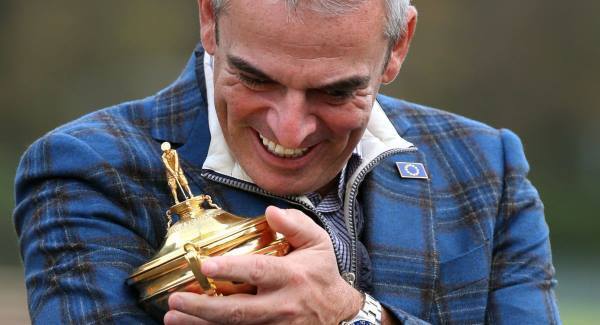
Ryder Cup-winning captain Paul McGinley is already planning Ireland’s bid for Olympic golf glory in Rio in 2016, and says he will travel to Brazil at least twice in 2015 to scout the course that the likes of Rory McIlroy will confront.

Paul McGinley putting in ground work for Rio Olympic gold standard

“The course is under construction and they hope to have a test tournament this year,” he told a sports business conference in Dublin yesterday. “I’ll play there, study weather patterns and so on — basically look at the exam paper and relate that to the players.

“It’s close to the sea, so it’ll be a little windy, but the designer they’ve picked, Gil Hanse, is very good, I love his work. It’ll be a bit of a linksy style feel to it.”

McGinley said he’s moved on from the Ryder Cup captaincy: “I’m past the captaincy now. I’ve left that, I’ve moved on and the sooner a new captain comes in, the better.”

He also noted the significance of technological advances in golf, from clubs and balls to agronomy.

“The biggest golf companies, Taylor Made, Nike and Titleist, are massive, billion-dollar companies. They were able to employ NASA scientists to develop balls and technology for the game, and the governing bodies didn’t have that cutting edge in terms of technology.

“So those companies stole a march on the governing bodies and we lost a little control of technology, so now is a huge factor in golf.

“If you don’t have a ball speed of 170mph now, you’re going to struggle. Without changing your speed, though, you can have a 5% increase thanks to golf ball tech, so if you have a bigger hitter already, you get a bigger jump, because 5% of 170 is obviously bigger than 5% of 150. That’s why the bigger hitters dominate.”

McGinley pointed out that Rory McIlroy, though only 5ft9ins, generates huge speed in his swing and is the third longest hitter in the game: “Graeme (McDowell) isn’t a big hitter but he’s statistically the best putter in the world.

“If you make a course 8,000 yards, you’re playing to the big hitters’ advantages. The real challenge for professional golfers, which people haven’t latched on to, isn’t length. It’s when the ground is firm, not soft. When the ball hits the ground and jumps forwards 10 or 15 yards, then it’s out of my control.

“The future of golf course design isn’t length, it’s technological advances, drying out a course. That’ll help amateur players too.

“Around the greens if you chip on to a firm green, it’s very different to a soft green.

“Professional players can spin a ball close to the hole if it’s soft, but if the green’s really firm, the dynamic is very different unless you make perfect contact. That’s when control of the ball, contact with the ball, they all come in — a long, soft course is taking away a lot of the skill in the game.”

McGinley pointed out that in Augusta, the greens are kept firm because a sponge-like mechanism underneath the course can squeeze out the moisture, but he acknowledged that a combination surface in Rio would suit the Irish players.

“In Brazil, I’ll want the course long and soft for Rory — and the opposite for Graeme!”

More in this section

Sport

Newsletter

Sign up to our daily sports bulletin, delivered straight to your inbox at 5pm. Subscribers also receive an exclusive email from our sports desk editors every Friday evening looking forward to the weekend's sporting action.

Cookie Policy Privacy Policy Brand Safety FAQ Help Contact Us Terms and Conditions

© Examiner Echo Group Limited