Cora Staunton warns integration delays could cost Gaelic games a generation of players
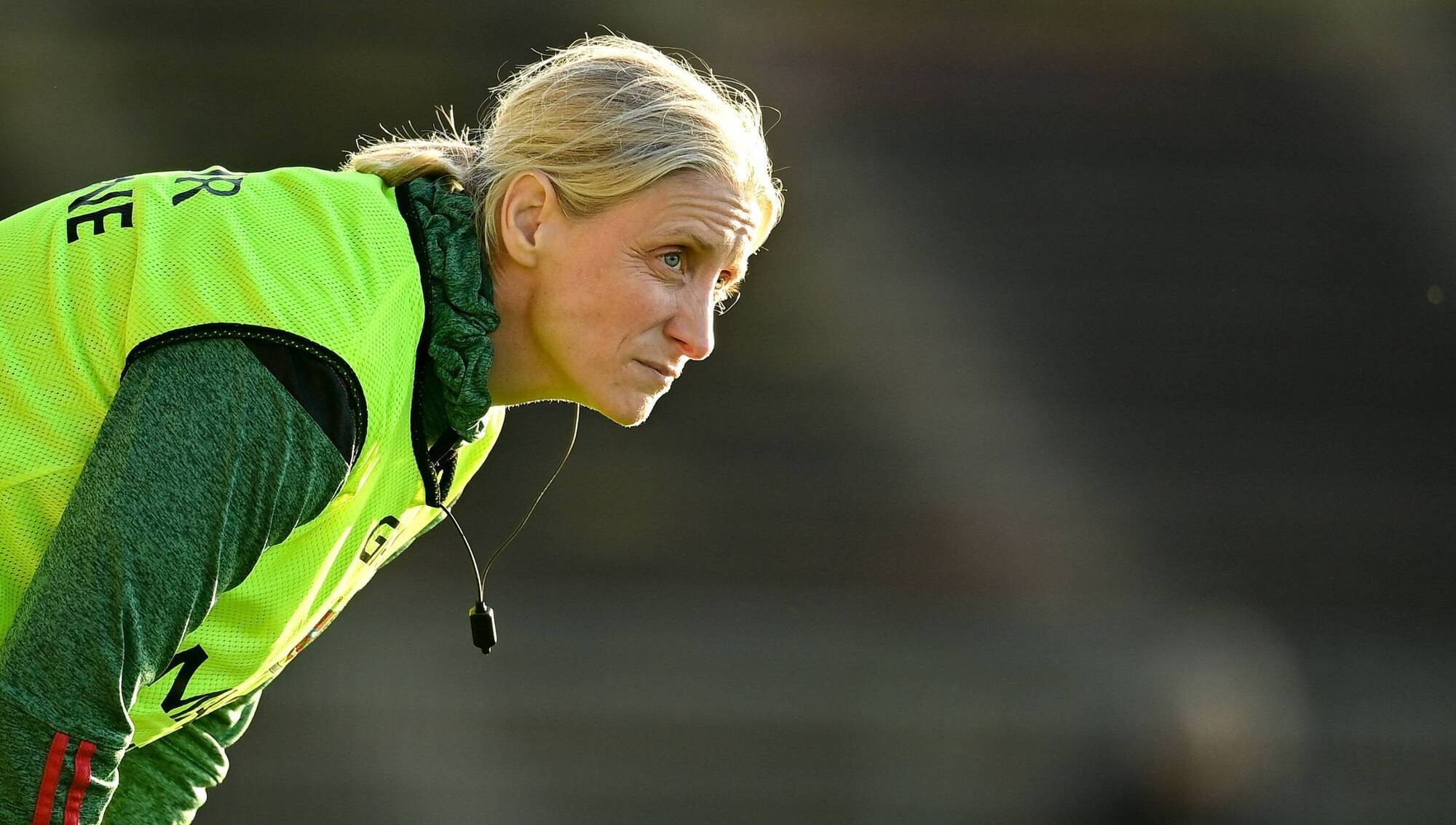
Cora Staunton: 'I just think it's really important that young girls get the same opportunities as their siblings. They shouldn't be treated any differently.' Pic: David Fitzgerald/Sportsfile
Cora Staunton hopes that integration between the GAA, Ladies Gaelic Football Association and the Camogie Association happens within the next two years at the latest. A deadline of April 2027 for integration had been set but since abandoned.
The four-time All-Ireland winner with Mayo was "really disappointed" when former president of Ireland Mary McAleese stepped away as chairperson of the steering committee for integration, citing a lack of support for the deadline from the GAA. Former GAA president John Horan has succeeded her in the role.
"I just hope that the integration timeline doesn't get pushed out too much further and it happens in the next two years at the longest," said Staunton, ahead of being inducted into the , which is supported by Clayton Hotels.
"I’d be pushing for a timeframe for it to happen very, very soon. We cannot push it out to 2030 and beyond because then it's another generation of players that would have been playing the game that have now lost that opportunity.
Read More
"I think every young boy and girl that goes to school, whatever age they are, they don't see the difference, it's only when they get a little bit older that they go through it. They wonder, ‘What's going on here?’
"It's not happening in other sports and you'd hope it wouldn't drive them away from the GAA and instead go off to play rugby or soccer where they're a lot more integrated."
Staunton can see the need for integration in her own club Carnacon, which is linked with Ballintubber GAA club.
"I see it with my own nieces, they're asking me, ‘Why aren't our finals on in MacHale Park?’ You're trying to explain something to young girls at 10, 11, 12 years of age and they just don't get it," she said.
"I've been fighting for better things for females since back in the early 2000s. We’re 26 years on now, things have changed, they've gotten better, but it has been slow. My fear is that it will continue to be that slow. We cannot wait another 10 years for things to change.
"Unfortunately, I'm in a club that's not all integrated. We have issues, I see it first-hand. I'm coaching three teams in the club and you are always trying to get pitches. It’s different in every area but in some clubs you do have brothers and sisters playing for the same club but the boys are getting different treatment. That kind of thing is disappointing.
"Trying to get pitches, you might have to train at a certain time – whether it be five o’clock in the evening and kids only home from school. You might have to change matches because of pitch availability, that kind of thing. But it comes in cycles because it depends who is on the executive in every three-year spell.
"It's hard but you just have to keep battling, that’s the only thing. People say, ‘Do you not get fed up battling?’ But sure you have to because if you don't, it's not going to be on the agenda. I just think it's really important that young girls get the same opportunities as their siblings. They shouldn't be treated any differently. They’re training as hard.
"And I see it because I’m around the county at matches, some of the pitches that you go to play matches, the facilities are just shocking because it might be just the school's pitch they have to go to because their men’s club won’t allow them to use a pitch.
"And I think that's what people don’t see, they think integration is only about inter-county level and about what happens at elite level. It’s not, it's the players on the ground, it’s about young girls playing football."
Staunton believes women's Gaelic games is in a far better place than when she started playing. However, she feels ladies football is being hindered by the "elephant in the room" that is players leaving Ireland to play in the AFLW. Staunton was the first player recruited directly from Gaelic football to the AFLW, playing six seasons with Greater Western Sydney Giants.
"I'm in a very hard position because I've seen the benefits of going to Australia and getting the opportunity to play professional sport," she said.
"The game is obviously suffering because of that, you can't say anything less when you have I think it’s around 46 players out there, it's a huge amount. In terms of the game here, the standard is still high but I do think it's probably suffering a little bit because of that."
41932239[#embed4]
CONNECT WITH US TODAY



Be the first to know the latest news and updates