How Cork fixed a league final flaw against Tipperary
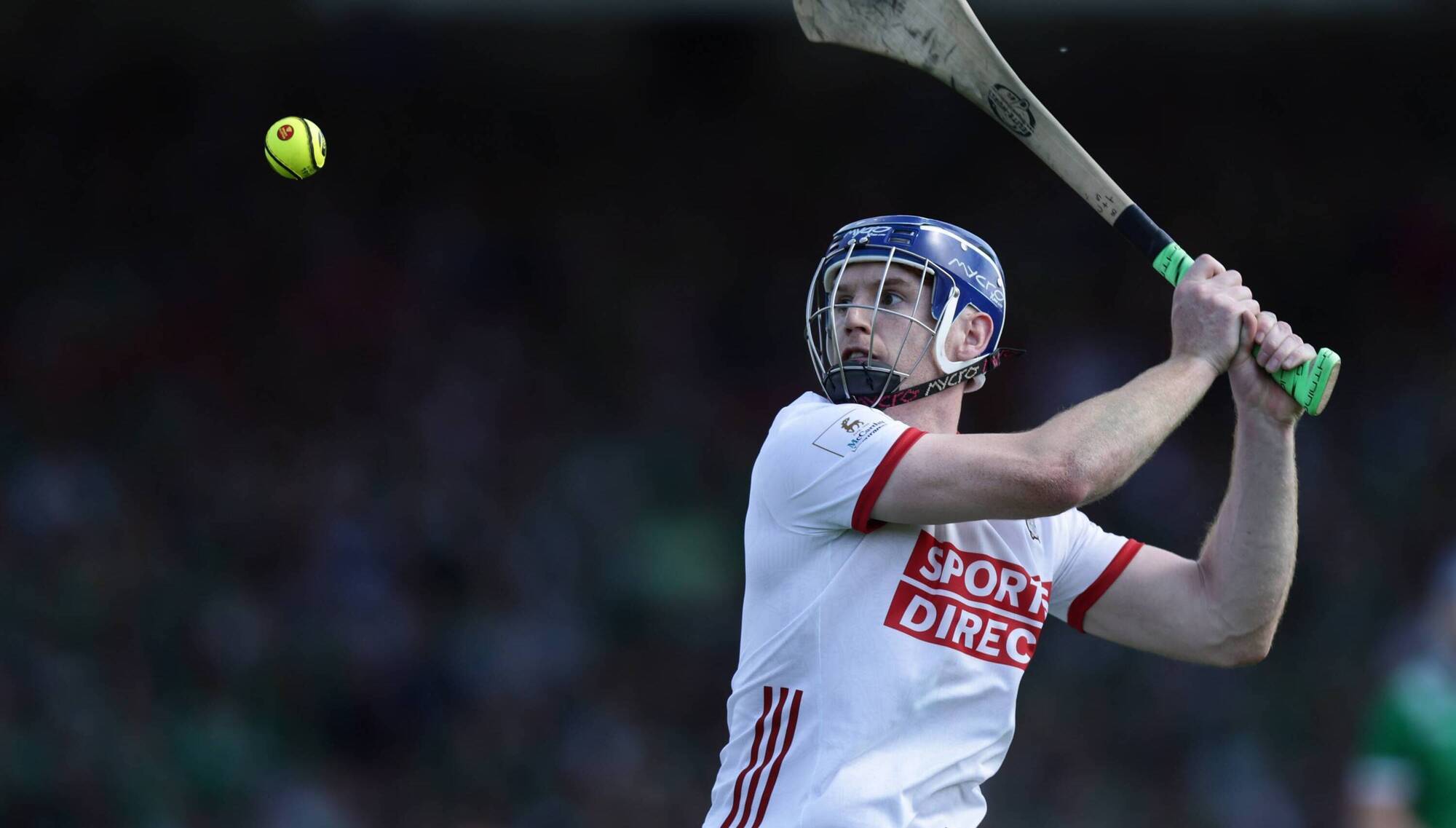
Seven of the 11 puckouts Cork goalkeeper Patrick Collins hit long during the league final against Limerick were lost. Pic: ©INPHO/Tom Maher
The League is for learning. Cork did a great deal of that on the competition's concluding Sunday. One large lesson, in particular, was corrected at Semple Stadium.
While acknowledging the fact that Cork played into the breeze during the first half of the League final against Limerick earlier this month, the Cork puckout was not at all good across those same opening 35 minutes.
A quick recap, for context, before fast forwarding to happier times in Thurles the weekend gone.
Of Cork’s 20 first-half puckouts in the League decider, Cork lost 10. There was an 11th, sent short to a quickly surrounded Rob Downey, that saw the Cork centre-back pulled for throwing possession and Aidan O’Connor converting the resultant free.
41830871;41830631/readmore]Seven out of 11 long puckouts were not retained by a red shirt. Limerick mined 1-4 in the process.
And so for those miffed by or cribbing over Cork’s changed puckout approach for their Munster opener in Thurles, consider those two damning statistics.
Patrick Collins going short with 12 of his 17 first-half restarts at Semple Stadium was very much informed by what had happened a fortnight earlier. And it wasn’t just the seismic shift in variety that was noticeable on Sunday, execution was significantly improved too.
There were seven short puckouts in the first-half of the League decider. Three of the first four did not work out. Collins’ last short puckout of the half ended with Cian Lynch rattling the crossbar and Limerick having a green flag disallowed.
In sum, the gameplan of restarting short against Tipp was clearly not without risk.
There were a couple of factors that worked to Cork’s favour in the altered puckout approach being the relative success it was.
Rob Downey dropping back to the full-back line, so corner-back Niall O’Leary could move out onto Andrew Ormond, presented Collins with a really confident first option.
Downey accepted six of the 12 short. He was six from six in his role of then moving possession onwards or sideways.
The other factor was the lack of pace in Tipp’s full-forward line press. Cork know that Collins will not have it so straightforward in finding a teammate at close proximity this Sunday.
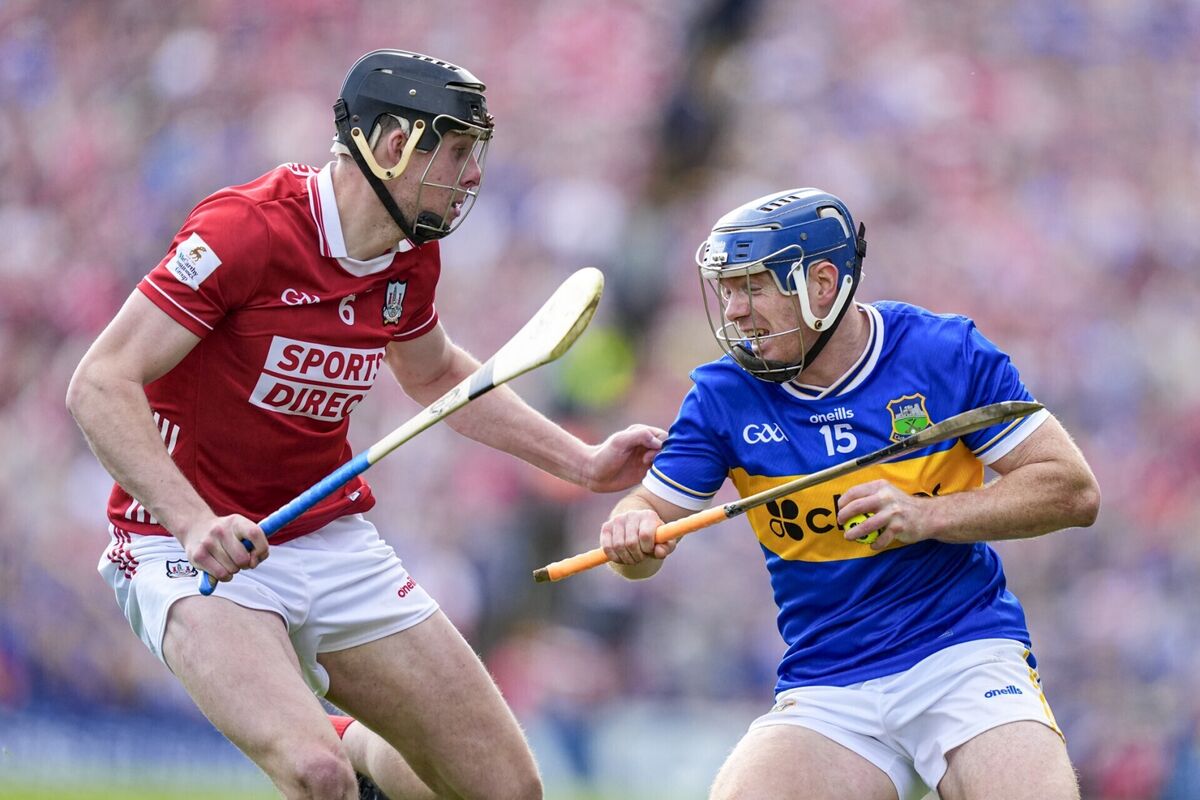
Of the 12 first-half short puckouts, four points accrued. In the other column, two broke down and resulted in a pair of Tipp white flags. One of those had less to do with the overall approach and far more to do with Tommy O’Connell’s handling after receiving the ball from Downey.
Of the remaining five first-half puckouts, a mix of long and mid-range lasers, only two were lost. Crucially, though, no Cork score resulted from this route.
Into the second period and Collins went long with his first two puckouts. Both were lost. His third - short - resulted in a flowing sequence involving O’Leary, Eoin Downey, Barry Walsh, and finisher Brian Hayes. In total, 16 of their 28 puckouts travelled this road.
“We learned an awful lot in that league final,” said Ciarán Joyce, who took a first-half puckout into his paw and delivered for a William Buckley point.
“When you lose, you nearly learn more. Against Limerick, we learned, especially on our own puckouts and working the ball out. I haven't seen the stats yet, but I'd say they're definitely positive, anyway.”
Joyce’s manager was similarly enthused by how they had fared off their own puckout when starting short and playing through the lines.
“We worked more ball out. We got more scores out of going short than what we conceded from. Look, that's not to say we won't go long the next day or the day after,” said Ben.
“We've fellas inside in that dressing room down there, they can play whatever way it falls in front of them.”
John McGrath’s All-Ireland final 2-2 was reduced to 0-1 and a 41st minute withdrawal. Joyce had a significant role to play in that transformation. The half-back-turned-full-back was a picture of stability in a Cork defence that didn’t allow the hosts a single shot from play in the 29 minutes after half-time.
“It's a huge difference. It's a different ballgame completely,” Joyce said of his positional switch over the last three games.
“You're constantly concentrating on your man the whole time and you can't lose concentration for one second, because the full-forward line, for Tipp and for every team, they're very good.
“So if you lose your concentration, they'll turn you and score. I'm still getting used to it.”
He added: “Going in at half-time, 0-13-all, we felt we were yet to catch fire. We were just kind of waiting for things to happen, really, in the first half but, thankfully, for that 20 minutes in the second half, the ball was getting zipped around more.”

CONNECT WITH US TODAY



Be the first to know the latest news and updates