'Club boundaries are more of a burden than a benefit': Donegal demographics officer
Naomh Bríd clubman Murphy argued people’s living, education, work and social habits are far different than what they were before. Pic: Seb Daly/Sportsfile
Archaic club boundaries are hindering the growth of the GAA, according to Donegal’s demographics officer Éamon Murphy.
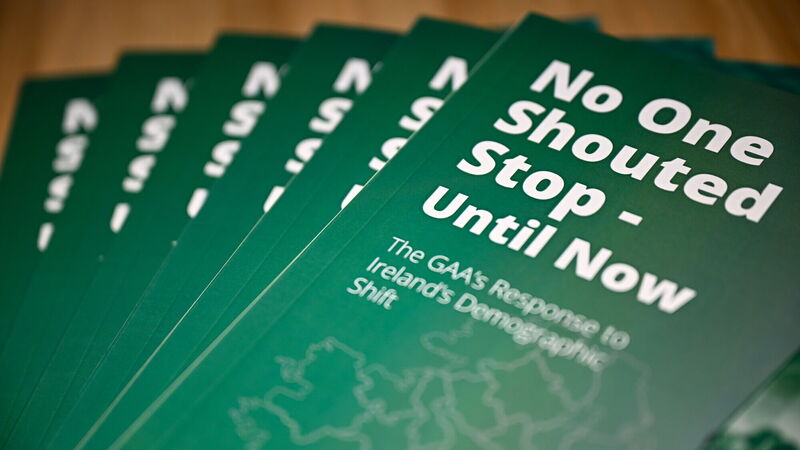
In a stirring report to the county convention earlier this week, Murphy claims the GAA’s rigidness is preventing it from reflecting the movements and habits of people in modern Irish society.
“While club boundaries have long been seen as the backbone of community spirit in the GAA, it is a reality that in today’s Ireland, these boundaries are more of a burden than a benefit,” said Murphy.
“The world has changed – people move, communities grow, and the old system no longer serves the best interests of players or the Association. Lack of player (children’s) right of choice. Boundaries rules limit personal choice. A player is often forced to play for their home parish, even if they’ve moved, go to school elsewhere, or feel more connected to another club.
“Transfers can be complicated and divisive often ending up in legal dispute, discouraging young people from participating. In a time when the GAA wants to grow and be inclusive, restricting where people can play makes little sense.”
Naomh Bríd clubman Murphy argued people’s living, education, work and social habits are far different than what they were before.
“Today, families move frequently for work, education, and housing. A player might live in one parish, go to school in another, and socialise in a third – so why should a line on a map decide where they can play. The GAA should evolve with society, not be trapped by outdated geography.
“In conclusion, parish boundaries once helped build local identity and pride, but today they create more problems than they solve They limit opportunity, restrict choice, and deepen inequality between clubs.
“If the GAA truly wants to grow, include everyone, and stay relevant in modern Ireland, it must move beyond the old parish lines and build a system that values people – not boundaries.”
Murphy dismissed the idea that the current boundaries ensure stronger clubs don’t get stronger.
“Community spirit doesn’t depend on lines on a map – it depends on people. Players can still be loyal, proud, and passionate about their club, even if they live outside traditional parish limits.
“Some claim that boundaries prevent 'super clubs' from forming, but population size already creates imbalance – big towns dominate while small rural clubs fade away. If anything, loosening boundaries could allow smaller clubs to join forces and survive, rather than disappearing altogether.”
He added: “Finally, supporters of the current system often say that parish boundaries protect tradition. But tradition should never stop progress. The GAA was founded to unite Irish communities through sport, not to divide them with outdated rules.
“If the Association wants to remain relevant in the 21st century, it must adapt to modern life while keeping the spirit of community alive.” At the convention in Jackson’s Hotel in Ballybofey on Wednesday, a motion to amend a bye law about club membership was narrowly passed.
A person will be restricted to joining a club in the catchment area of their permanent residence or a club with which they have an “other relevant connection”, which is defined as a sibling already being registered or a parent of their person previously lived in the catchment area of was a member of that club.


CONNECT WITH US TODAY



Be the first to know the latest news and updates