County boards face bill of €7,000 for new clock-hooter technology
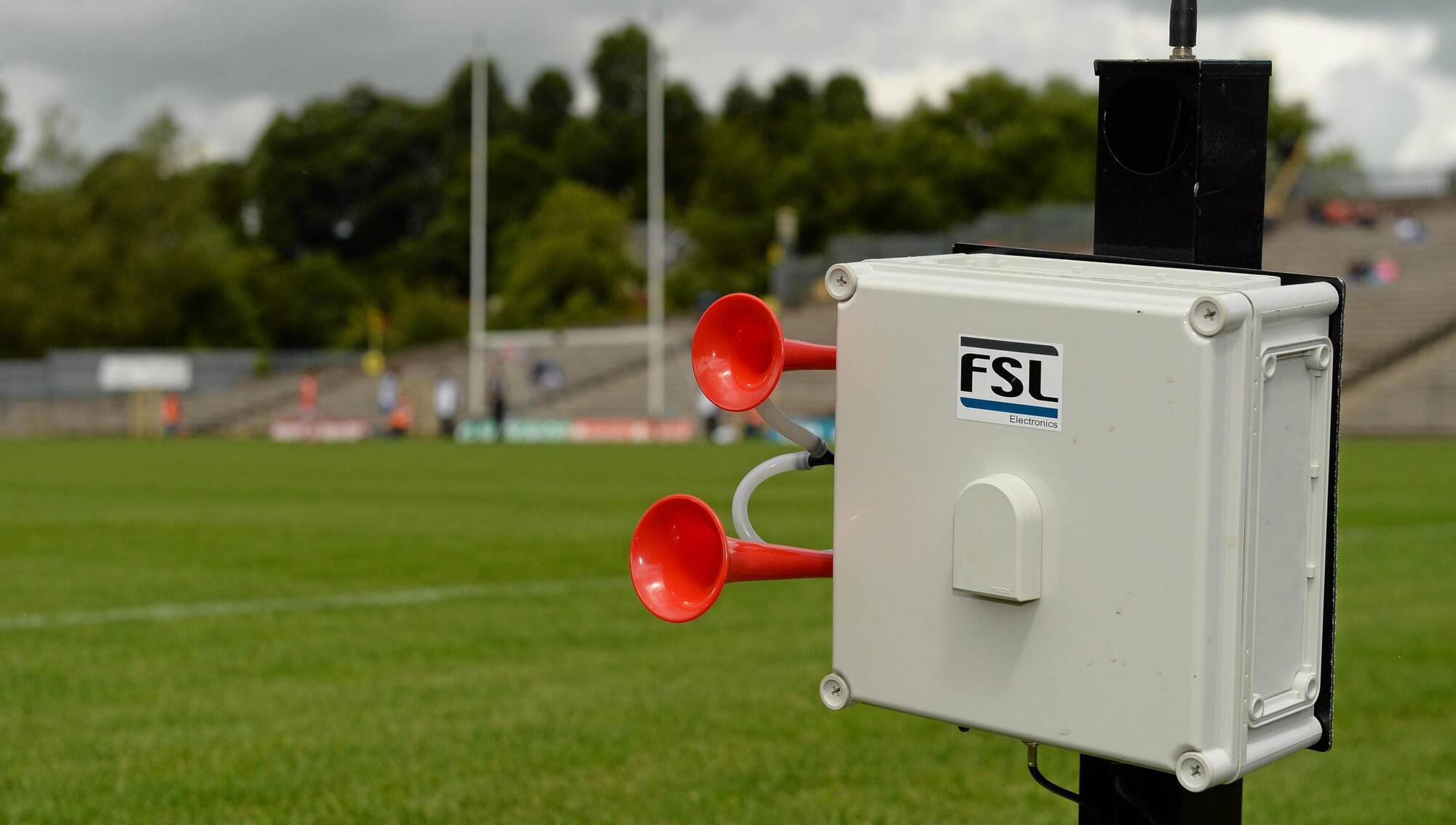
The intention is for the apparatus to be live in Division 3 and 4 football round games by the end of next month.
The complete roll-out of the public clock-hooter at inter-county level will cost approximately €250,000.
Central Council delegates were informed by the Central Competitions Control Committee (CCCC) in Donegal on Friday that each county board faces a bill of approximately €7,000 for the technology.
The public clock-hooter has been in operation in all 16 Allianz Football League Division 1 games since the end of January and was put into use in Division 2 for the first time the weekend before last in Round 3.
Tyrone were able to transfer the system to Pomeroy’s Plunkett Park for their top flight clash against Kerry on Sunday when Omagh’s O’Neills Healy Park pitch was deemed unplayable.
The intention is for the apparatus to be live in Division 3 and 4 football round games by the end of the round stages next month. It will apply to all four divisional finals in Croke Park on March 29 and 30.
The CCCC have concerns about the practicalities around the clock-hooter, which they relayed to Central Council. However, delegates were in favour of giving the Football Review Committee (FRC) recommendation more time before making a decision on its future.
The clocks were supposed to count down to zero but the lack of software at venues meant they can only count up. The hooter remains an issue for GAA authorities as it is felt its sounding precipitated by the clock’s count to the 35-minute mark each half lends to more supporters invading pitches at the full-time siren and creating potential health and safety problems.
While taking time-keeping off referees’ list of responsibilities have lessened their load, it has yet to be ascertained if the stop-start nature of the public clock has contributed to more action.
In their analysis of the first three rounds of the league, the FRC found that the ball was in play less of the time (57%,) than last year’s championship (62%). However, this year’s league data was based on just 16 clock/hooter games and 32 under the previous time-keeping protocols.
Where the clock/hooter has been beneficial is in ensuring sin-binned players have missed more action in their 10 minutes off the field as stoppages are now taken into account and the clock is paused for such cessations.
An extra match official is required at some venues to administer the clock/hooter meaning nine in total are needed – referee, two linesmen, four umpires, fourth official and clock official. That jumps to 10 in Croke Park where a HawkEye official communicates with the referee regarding score detection.
CONNECT WITH US TODAY



Be the first to know the latest news and updates