New York and Louth’s plans to develop grounds proving difficult admits GAA director general
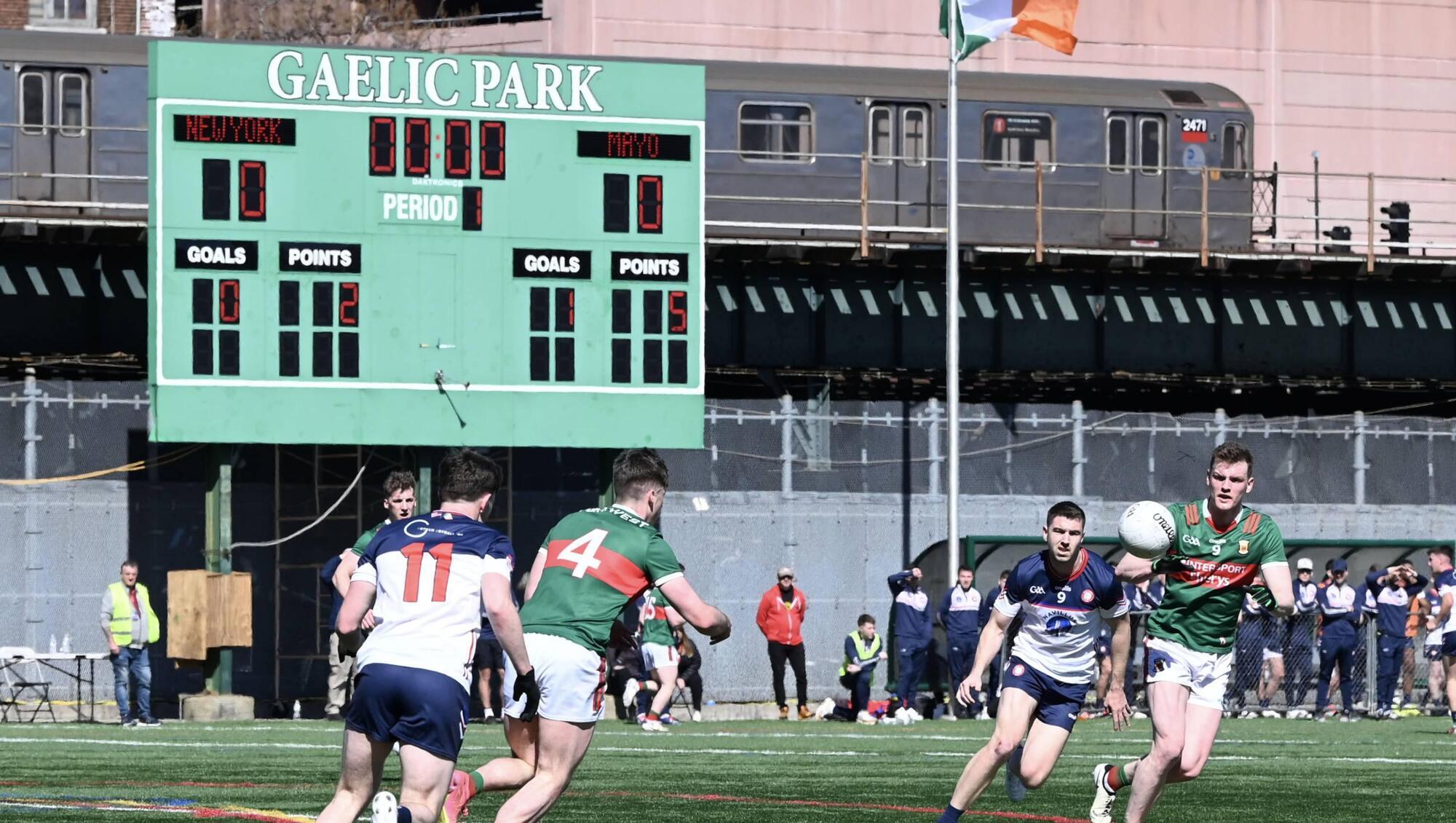
UP IN THE AIR: New York and Louth’s plans to develop grounds remain up in the air, GAA director general Tom Ryan has admitted. Pic: ©INPHO/Emily Harney
New York and Louth’s plans to develop grounds remain up in the air, GAA director general Tom Ryan has admitted.
Last month, New York GAA were ordered by Croke Park to cease development work on their building in Gaelic Park following concerns about the process including tendering.
In 2023, GAA authorities commanded Louth GAA to do the same regarding their new stadium in Dundalk. Finance is the issue there with the 14,000 capacity venue expected to cost up to €30 million.
Ryan hopes both projects can be completed but he acknowledged there are challenges.
“The Louth one, work hasn't started. The work has been undertaken in Gabe Pack and there are commitments there and we will work with New York to do our best to see if we can resolve those, but there's a problem there, but it's manageable.
“The Louth one is still a difficulty for us. The cost of a modest county ground is beyond what the county can achieve on their own, and it looks like it's beyond what we can achieve in terms of support on our own for them as well.
Read More
"But they have to have a county ground, and I can remember there's been four or five different iterations in Louth in terms of trying to get a ground for them.
“We just have to deliver something for Louth. They're not looking for the sun, moon and stars, they're just looking for a ground that is capable of holding county finals and home league games and qualifiers and things like that.”
The GAA are meeting the Government later this week to discuss their capital strategy which in his Congress address on Saturday GAA president Jarlath Burns said could “create financial support which will fund a proper 10-year infrastructure strategy, which will not only prepare the GAA for integration but will future proof us for the next 30 years.”
A Kilkenny motion allowing clubs to make available their ancillary facilities to other sports narrowly failed to receive sufficient support. Burns suggested counties are cognisant that those assets will be required as integration becomes a reality.
Although Burns admitted some elements of the GAA, Ladies Gaelic Football Association and Camogie Association are “not integrable”, he said: “Clubs build ancillary facilities for use by their GAA teams and as we approach integrations we’re going to need more of those facilities.
“The fear was that some clubs might have a contract with another club from another code and start relying on that income and what becomes more important, the income or a new camogie or hurling team in the club?”

CONNECT WITH US TODAY



Be the first to know the latest news and updates