'None of us ever thought we’d see the day they would run out in Croke Park'
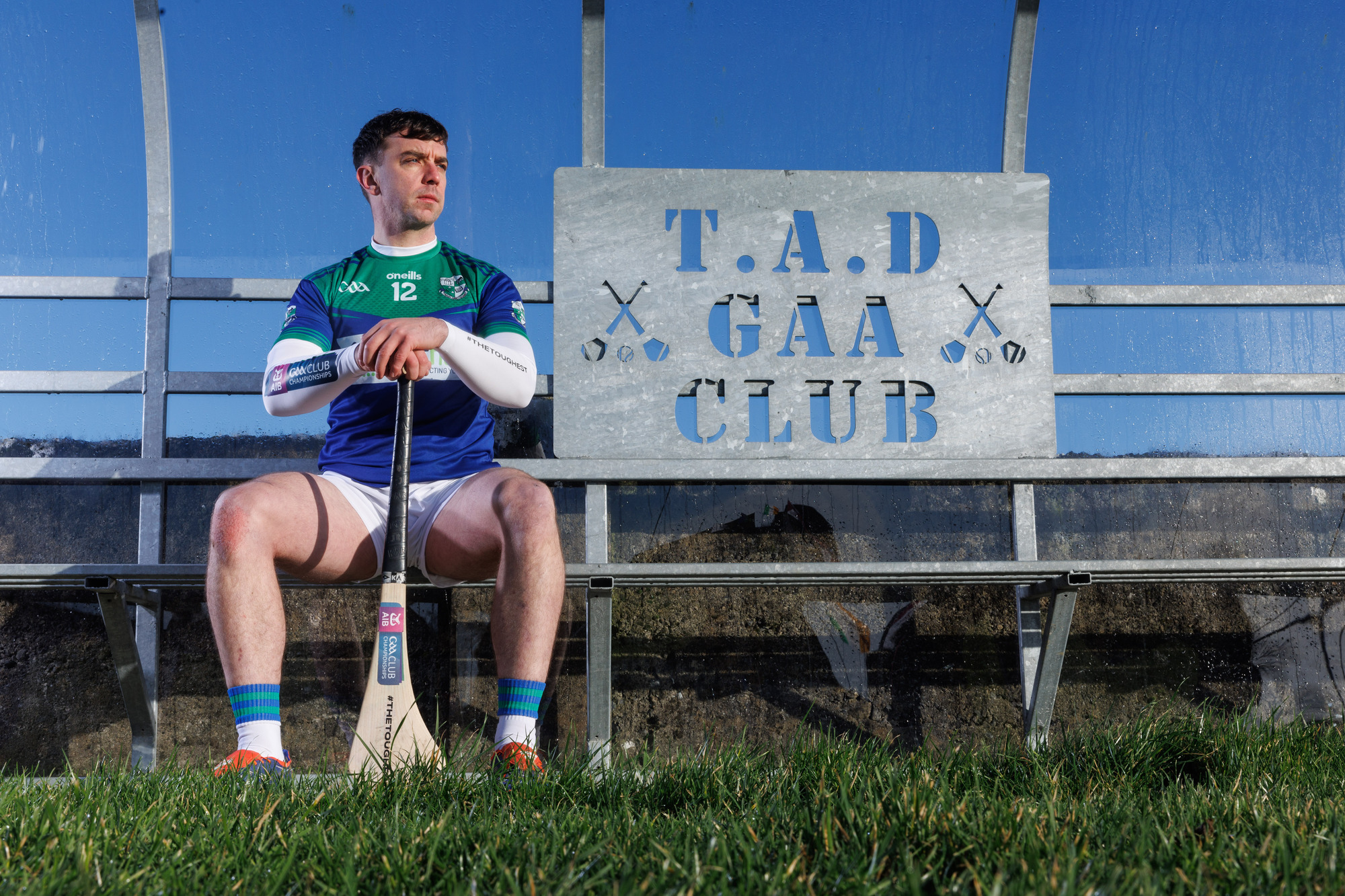
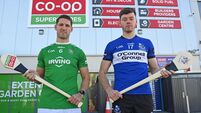
Shane Moloney (Tynagh Abbey Duniry), pictured ahead of the AIB GAA All-Ireland Hurling Intermediate Club Championship Final, which takes place this Sunday, January 12th at Croke Park at 2.30pm, between Tynagh Abbey Duniry (Galway) and Watergrasshill (Cork). Pic: ©INPHO/Tom Maher
They have certainly taken the long road but when the hurlers of Tynagh/Abbey-Duniry arrive at Croke Park on Sunday for the first time in their history, it will represent the end of a journey that started almost a century and a half ago.
The club from south-east Co Galway know they are up against it when they take on Watergrasshill in the All-Ireland intermediate hurling final, but dealing with adversity has never been a bother for them.

Hurling has been the No.1 sport in the area since the foundation of the GAA. World wars, a civil war, pandemics and economic crashes have had impacts but the biggest battle has always been trying to find the numbers to keep teams on the pitch.
It’s farming country, decent land farmed by hard workers, but with family-sizes dropping, waves of emigration proving irresistible to the young, and migration to the urban areas necessary for college and work, it has often been challenging to remain competitive on the field. And, regardless of what happens on Sunday, that will continue to be a challenge for Tynagh/Abbey-Duniry and many rural clubs like them.
The key to success is making the most of what limited resources you have. Abbey and Duniry are half parishes, each with about 250 people. A few miles away Tynagh has around 500. There is a shop, school and church in each of them, a few pubs in the area but some of them don’t have enough business to open every night. The numbers in the national schools continue to drop. Down the road that might require them joining in with other neighbouring clubs.

There are hurling clubs all round. When Abbey and Duniry hadn’t the numbers to field teams, some of them went with Tynagh. Others went to Leitrim/Kilnadeema, or to Ballinakill before they linked up with Woodford over 50 years ago to form Tommie Larkins. Killimor is to the north of them, Portumna just south of that, the reigning senior champions Loughrea less than 20 kilometres away and a bit further to the west the great St Thomas’ club which dominated Galway for the past decade with just 200 houses to pick from.
The Tynagh/Abbey-Duniry club has a rich tradition. Tynagh were one of the first superpowers of Galway hurling, winning five county senior titles in the 1920s, having been runners-up six times before that. Tynagh provided the bulk of the Galway team which captured the All-Ireland title in 1923 for the first time.
Mick Kenny captained that side. On Sunday his grandnephew Mattie Kenny, the former Galway player and Cuala and Dublin manager, will be in charge as the club bids for All-Ireland glory.
Kenny has given unreal service to the club, initially when they were Abbey-Duniry. A brilliant forward and free-taker he was the key figure as they went from being a junior B team in the mid-1980s to contesting two senior county finals in 1998 and 1999, losing narrowly both times, once after a replay, to an Athenry side which won three All-Ireland club titles in five years back then.
The arrival of a few enthusiastic hurling priests and teachers in the locality at various stages over the decades had given a boost to the sport. Tynagh won the intermediate title in 1987 and two years later Abbey-Duniry won it. But the numbers were just not adding up.
In the mid-1990s Tynagh/Abbey-Duniry came together at juvenile levels. By 2004 they realised they needed to do so at adult level, a brave move for two clubs who were contributing plenty of players to Galway teams at all levels. Indeed, in 2001 Kevin Broderick, who won his first award in 1997, and Liam Hodgins were selected as All Stars. Abbey-Duniry was the only club to provide two players to that All Star hurling team.
Former Galway captain Hodgins is part of the team management on Sunday — Broderick is training the club’s U5s and U6s.
Gerry Larkin, the former Galway GAA chairman and Central Council delegate, was the first secretary of the new club. He had played, coached, managed and held every officer position with Abbey-Duniry, before they linked up with Tynagh.
“The numbers just kept falling at adult level. They still are and it’s the same all over the country. There are a variety of reasons, people move to the urban areas, not just the cities but also the county towns. We see it in Galway. Loughrea, Athenry, Gort, Oranmore, Ballinasloe and so on, they are all growing and there are less people in the country.
“So you just have to make the best of what you have. And that’s what’s brilliant about this group of players and all those involved in it. They give it absolutely everything. They put hurling before everything and that’s why we are so proud of them.
“There are people around here not only involved all their lives, but their people before them and before them again have been hurling people. And none of us ever thought we’d see the day they would run out in Croke Park. Regardless of what happens, it will be a special day,” said Larkin, who held various positions on Galway County Board and was never challenged in a vote for 25 years.
He’s typical of the type of solid person that Duniry, Abbey, Killeen and Tynagh have been producing for generations. They know they are up against it on Sunday against a strong Watergrasshill team. But nobody should ever under-estimate a community that’s used to dealing with uphill battles for the past century and a half.