Club championships entirely ill-suited to any universal structure
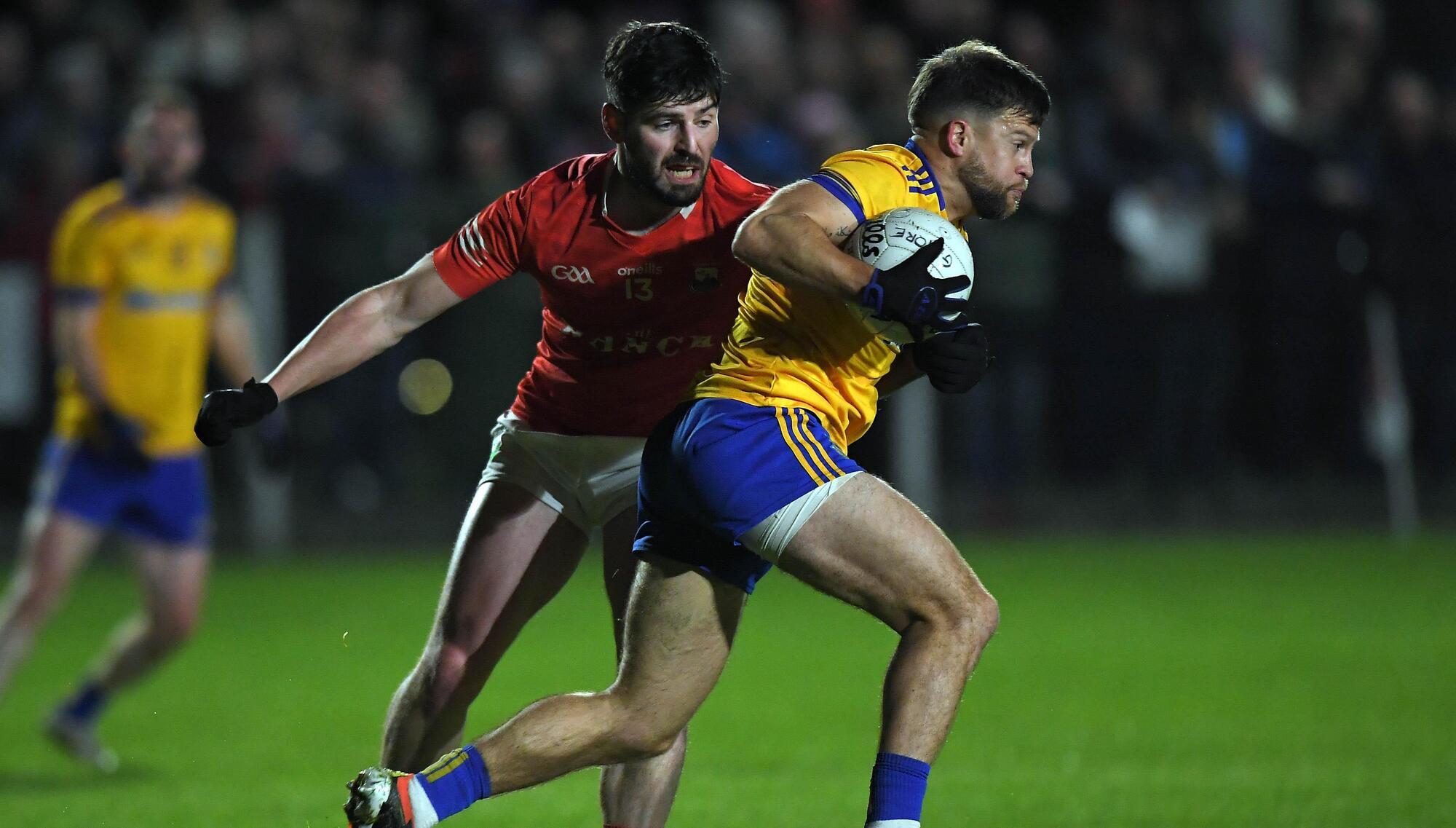
GREEN SHOOTS: Garrymore had to amalgamate with Kilmaine at underage level seven years ago; now their membership is growing. Photo: Ray Ryan
With throw-in fast approaching in Garrymore last Saturday night and the long rural road to the ground choked with incoming cars, one savvy local found a workaround.
The venue was already packed with the biggest crowd club stalwarts have ever seen when a jeep appeared behind the wall at one side of the pitch. There was no road to that remote spot. This determined spectator elected to cut through a nearby farmer’s field, lights cut off lest he attract any attention, and settled on the bank for the blockbuster Mayo SFC quarter-final clash.
For Garrymore, it had all the makings of a wonderous occasion on their fields of dreams. A proud club had built it and they had come. Saturday night’s fixture ultimately finished in a disappointing fashion for the home outfit as Knockmore ran out 3-8 to 0-5 victors. The bigger picture, though, was that it afforded them a chance to display the remarkable facilities that they had developed and the framework they have created to thrive.
This comes at a time when similar clubs are battling to survive. Seven years ago, Garrymore had to amalgamate with Kilmaine at underage level. Now their membership is growing.
Club chairman Danny McHugh walked us through how the well-known side of the 1970s was without their own pitch. Step by step, they developed a ground, clubhouse, astro-pitch, car park, floodlights and walking track. All of this in an area without much else.
“There is nothing actually,” McHugh said.
“There is no shop, no post office, pubs are nearly all closed. It is just a series of villages around the area but Garrymore itself, there is nothing here but the GAA club. That is it and that is what they live for.” There is one tie that binds them.
“I think what has helped us is we have had a lot of development here. That brings more people, people are willing to get involved when things are going well. It has been great, a great community effort over the years.” Every Mayo quarter-final took place in a club ground. The top two teams from each group advance to the final eight. The semi-finals are scheduled for this Sunday. It was quarter-final weekend on the other side of the border too. Galway did not do any of that.
Instead, those matches were played in Pearse Stadium and Tuam Stadium. Galway’s championship included a preliminary quarter-final round. There is a two-week gap between the quarter-finals and the semi-finals.
The scale of change in championship structures throughout history is in direct contrast with the perception that the organisation is adverse to it. From top to bottom, there have been several different iterations. In the early days of Jarlath Burns’ presidency, he hinted more was in the pipeline and it would feed directly into the club ecosystem.
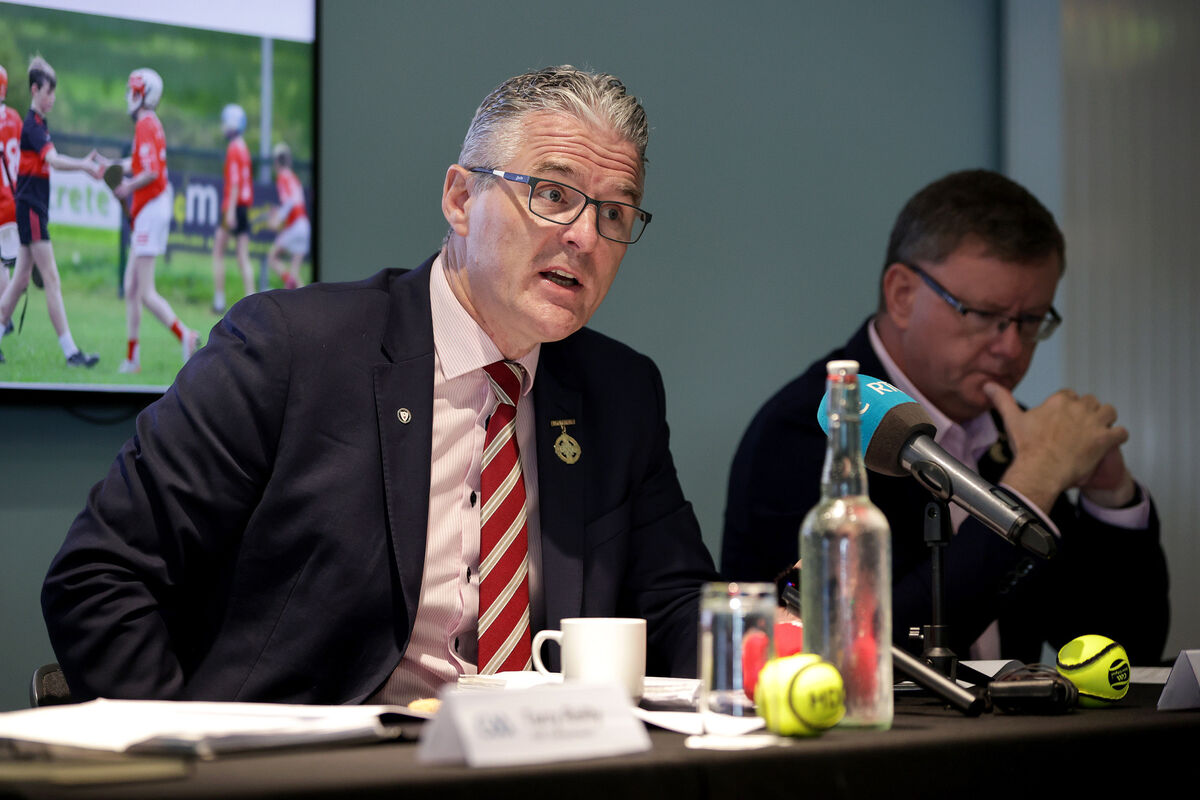
Burns told GAAGO’s magazine show that the intercounty calendar could go back to September finals if they could streamline club action.
“The difficulty with it is the people who are going to have to compromise are the people with their own county championships,” he said.
“Then within that, you have seven or eight different iterations. You have groups of four, nobody can explain how you do it in Kerry, it’s easier to learn Chinese. In your (Donegal) county, it’s league format now and I think in Tyrone it’s straight knock-out. In Wexford, I think they play six games.
“It is totally ridiculous to think we can organise a master fixtures plan around that. So what my thinking on this is let’s say if we went to the old way of having All-Ireland finals back whenever they were, what you say is, ‘There’s the master fixtures plan and this will work if every county works its league and championship on this format’.”
Burns went on to suggest that no county board would be forced to do it this way, but they would be aware of the risks of opting for their own unique approach. In reality, every championship needs its own system. Club championships are not created in isolation. They are constructs designed to satisfy as many territorial interests as possible. Some of those interests will be the same across counties. It will never be the case that all of them are.
Take Mayo and Galway. Mayo clubs jump at the opportunity to showcase their own pitch on championship days. Galway stage every round in county grounds, championship games in club venues can tend to feel small-fry. They have to find space for a vast hurling championship while organising a balance and meaningful season for its football clubs. Mayo has considerably fewer hurling clubs and still opts for less championship football matches.
Tyrone and Kerry run completely different championships, yet both are satisfactory to the majority of their members. Cultural and local influences dictate the shape. That has always been the case.
The GAA already have the power to steer the direction club championships go in. They already do. Most county boards consider provincial club championship dates before planning their fixtures and circulating a master schedule. There has been enormous progress in this regard. The split season was never going to deliver high summer action. What it did ensure was certainty. That is one constituent every county does deserve.
Of course, the current calendar isn’t perfect. That doesn’t mean local problems should be conflated with national policy either. Why look to a higher power for a solution to something that is already in your control? Right now, everyone has the opportunity to make the most of what they have.


CONNECT WITH US TODAY



Be the first to know the latest news and updates