GAA gender balance on the menu - without being forced down anyone's throat
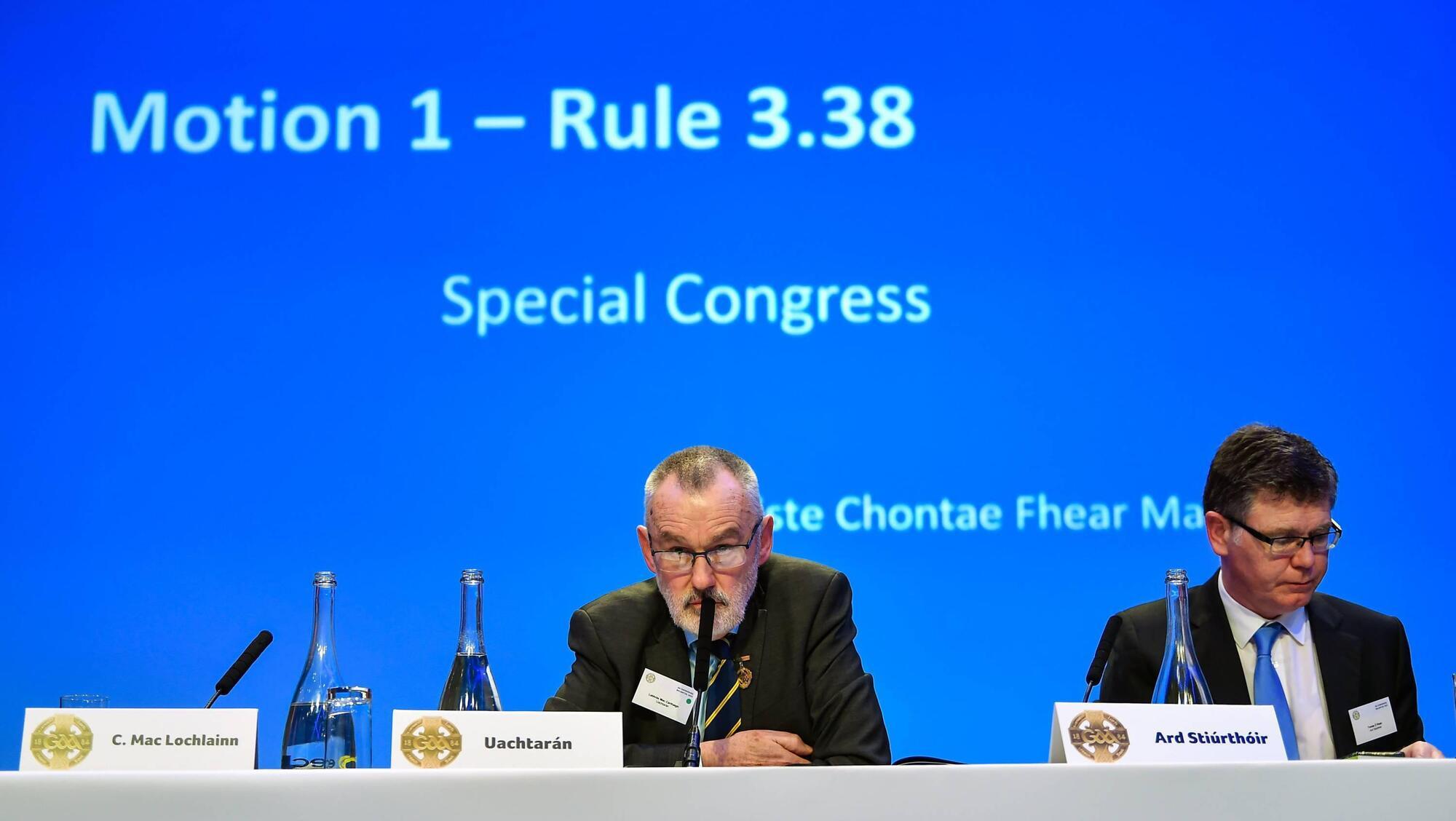
CONGRESS CALL: GAA President Larry McCarthy and DG Tom Ryan
It’s with hope that two of the GAA’s leading female administrators look forward to Saturday’s Special Congress gender balance motion in Croke Park. But with trepidation too.
Being pushed to do something that, on the surface appears progressive, for monetary reasons is never a good feel or look. But that is the stick the Government is threatening to beat the GAA with if they and other sports organisations don’t achieve 40% gender balance on their governing committees by the end of the year.
The method of transforming the GAA’s Coiste Bainisti is convoluted and has the potential to jeopardise the functionality of the body. Surely there were better means of achieving the same end? Yet the proposed changes to it would comply with what is being demanded from the Department of Sport to ensure annual and capital funding isn’t impacted.
Indications are it will be a tight vote. Requiring 60% to be passed into rule, several counties are known to have been disappointed with Minister Thomas Byrne’s threats of withholding funding and believe promoting females to management committee for the sake of it risks accusations of tokenism.
Galway vice-chairperson, football secretary and national Central Competitions Control Committee Mary Judge is a supporter of the motion as is her county. However, the context of the recommendation from Central Council troubles her.
“Being forced is never a good way to do anything and it feels to me like that's the case with this round of sports capital grants. It feels to me like it’s a bit forced and I’d be a bit concerned about that. It’s premature.
“If integration was further down the road, I wouldn’t mind the Government pushing it but the GAA has been there long and many a day and they could still stay on their own if they wanted to. There is a feelgood factor around this motion but it shouldn’t be forced.”
She added: “There’s no point in women just filling the positions and just saying you have the 40%. It’s not meaningful. The women have to want to be in those positions as well.”
Kildare secretary and the county’s former PRO Christine Murray fully backs the motion, believing that if it is supported the GAA will have a Coiste Bainisti with women who bring “experience and knowledge”.
It’s vital, Murray argues, that they are there on merit. “I’m all for gender balance for the right reasons. If a woman is there, it’s for the right reasons and she has worked her way up from club and county and she’s there for the work she’s done and willing to do and not just there because she’s a woman.
“I’m on the Kildare committee because I worked my way up through the system. I feel very strongly that they’re there for their work ethic and what they can bring to the GAA.
“Women have a lot to offer to the GAA and they are a lot of women involved in the GAA. When we discussed it at our county executive meeting, the women stressed it’s done for the right reasons and not a ticking-the-box exercise and not just a filling the quota.”
Explaining the motion earlier this week, GAA director general Tom Ryan went as far as defending it. That’s a marked difference from the usual pre-Congress utterances of director generals who do their utmost to avoid prejudicing a vote.
Ryan added that the motion is separate from the integration process currently being undertaken by the GAA with the Ladies Gaelic Football and Camogie associations.
However, Judge sees them as being one and the same. “Galway are well on the way to integration. Facilities will be the big problem as far as I can see it, especially in a dual county like Galway. I wouldn’t see it as much a problem in other counties but we’re equally strong in football and hurling.
“I would feel that more integration is needed between the Camogie Association and the LGFA. I’m not sure they’re on the one hymn sheet. I’m not sure how organised they are in their own right or does everyone within their organisations want integration or is it just at county level.”
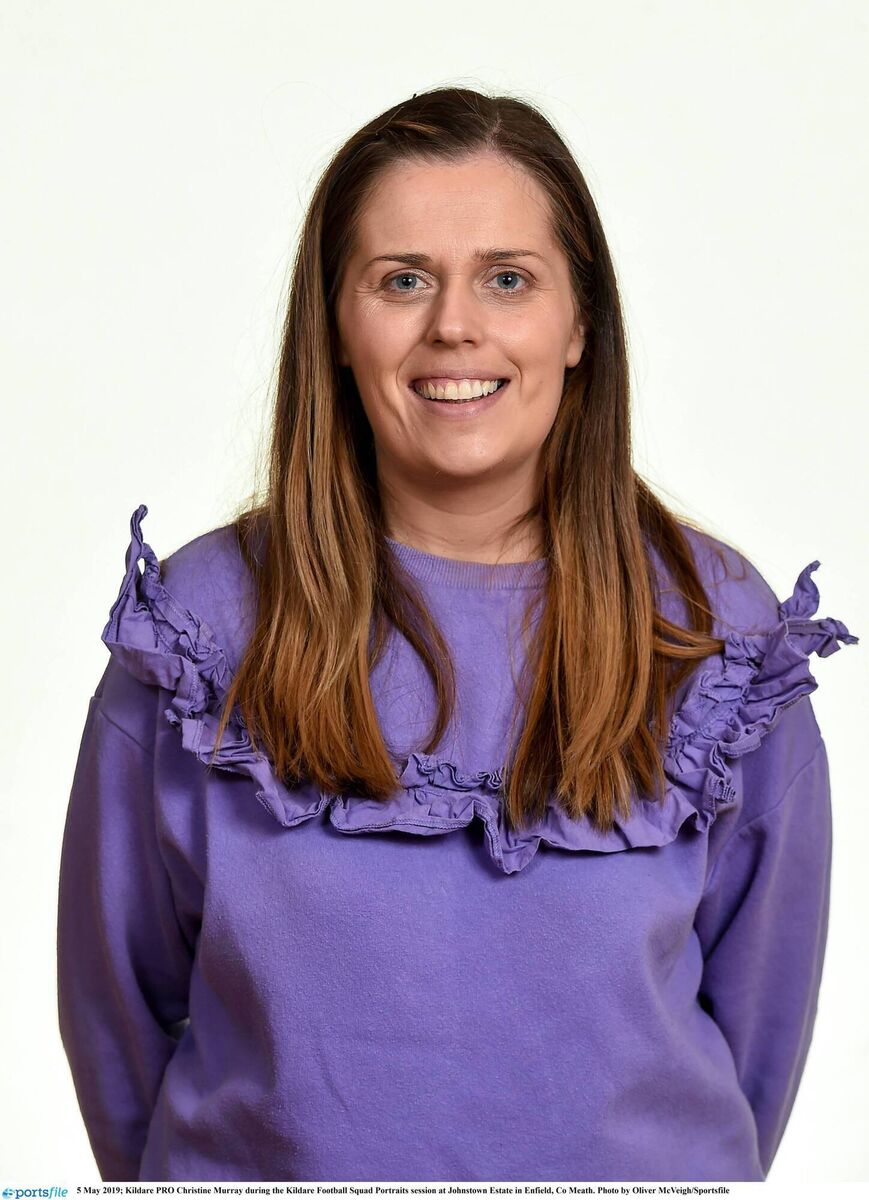
Judge’s recent experiences of being a prominent female administrator in a predominantly male sport are positive. “It’s much easier,” says the Caherlistrane woman. “I have absolutely no problem. You have your say and you’re respected.”
Moorefield’s Murray is the same. “I’m involved with Kildare GAA for eight years now and I’ve never had any issues or felt I was in a room and didn’t have a voice because I was a woman.
“When I started, there were two women on the committee and I never felt like I wasn’t respected. It’s very good in Kildare and working with Leinster and Croke Park it’s the same. In my own club, we’ve always had a strong gender balance on our committees.”


CONNECT WITH US TODAY



Be the first to know the latest news and updates